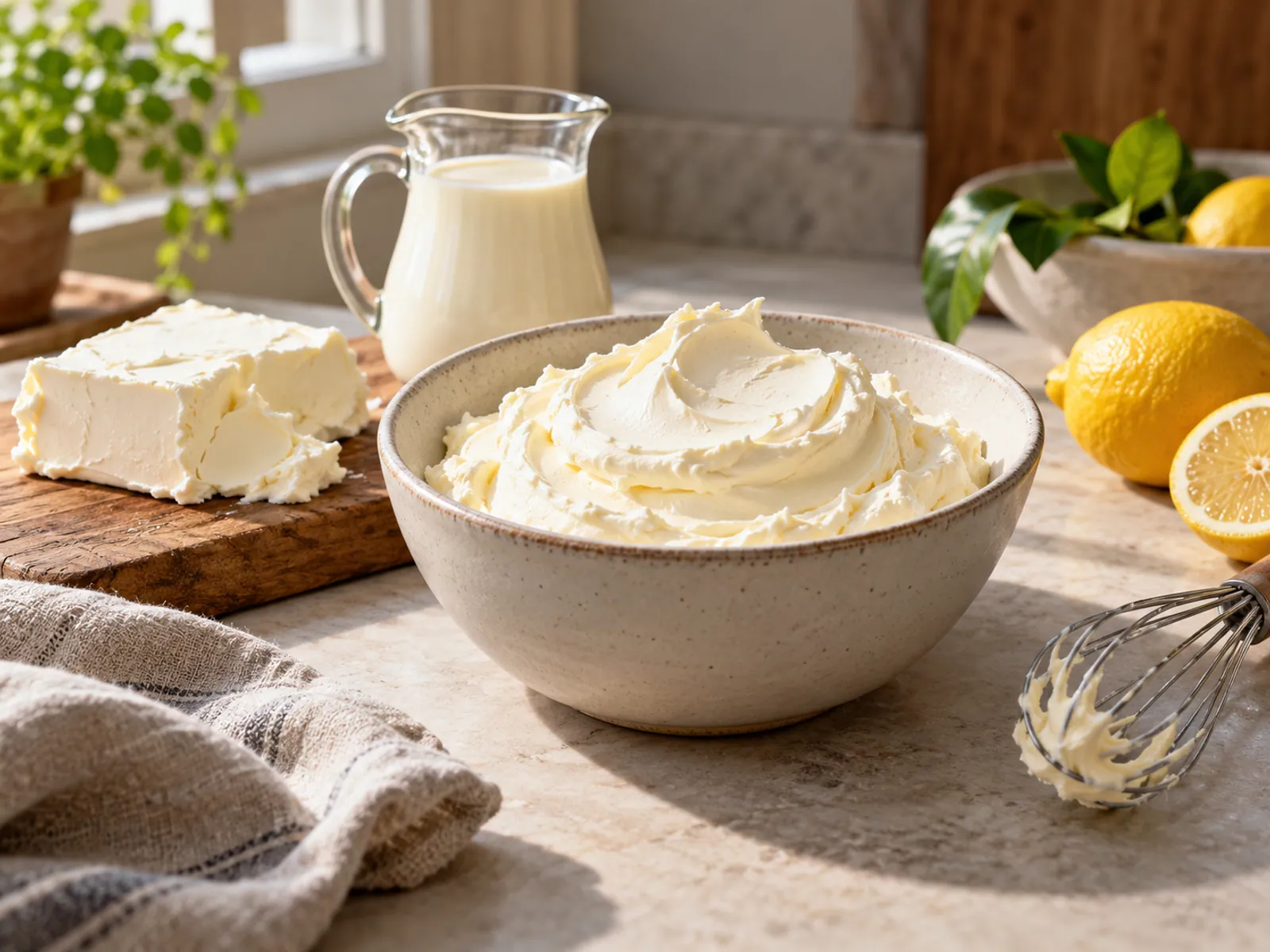
Mascarpone is rich, sweet, and impossibly smooth — and it can be pricey or hard to find. The good news: it’s one of the easiest cheeses to stand in for, because it’s really just cream set with a little acid. Whether you need a quick swap for tiramisu, a savory pasta sauce, or a cheesecake, there’s a mascarpone substitute that fits — and if you have heavy cream and a lemon, you can make the real thing in your own kitchen.
What mascarpone actually is (so the swaps make sense)
Mascarpone is an Italian double- or triple-cream cheese made by heating heavy cream and curdling it gently with an acid — traditionally tartaric or citric acid, or lemon juice. There’s no rennet and no bacterial culture, which is why it tastes sweet and buttery rather than tangy. That also makes it the simplest fresh cheese to replicate.
Two qualities set mascarpone apart, and every substitute is judged against them: richness (that very high fat gives it a spoonable, luscious body) and a clean, faintly sweet flavor with almost no sourness. The closer a substitute matches both, the better it will behave — especially in no-bake desserts where nothing cooks the differences away.
The best mascarpone substitutes, ranked
Ranked by how closely each matches mascarpone’s richness and mild flavor, best first:
Make your own mascarpone (the closest match)
If you have heavy cream and an acid, you can make a substitute that’s barely distinguishable from store-bought — because it’s made the same way. It takes 10 minutes of work plus chilling time.
- 1Heat the cream Warm 2 cups (475 mL) heavy cream in a heavy pan or double boiler to about 185°F (85°C), stirring so it doesn't scorch. Use cream that is pasteurized but not ultra-pasteurized if you can — it thickens more reliably.
- 2Add acid Stir in 1 tablespoon fresh lemon juice, 1/4 teaspoon tartaric acid, or 1 tablespoon white vinegar. Keep the heat low.
- 3Thicken, don't curdle Stir gently for 3–5 minutes. The cream should thicken to coat the back of a spoon like a loose custard — it will not form hard curds. If it stays thin, add a few more drops of acid and give it another minute.
- 4Cool and chill Take it off the heat, let it cool, then cover and refrigerate 12–24 hours. It firms up considerably as it chills.
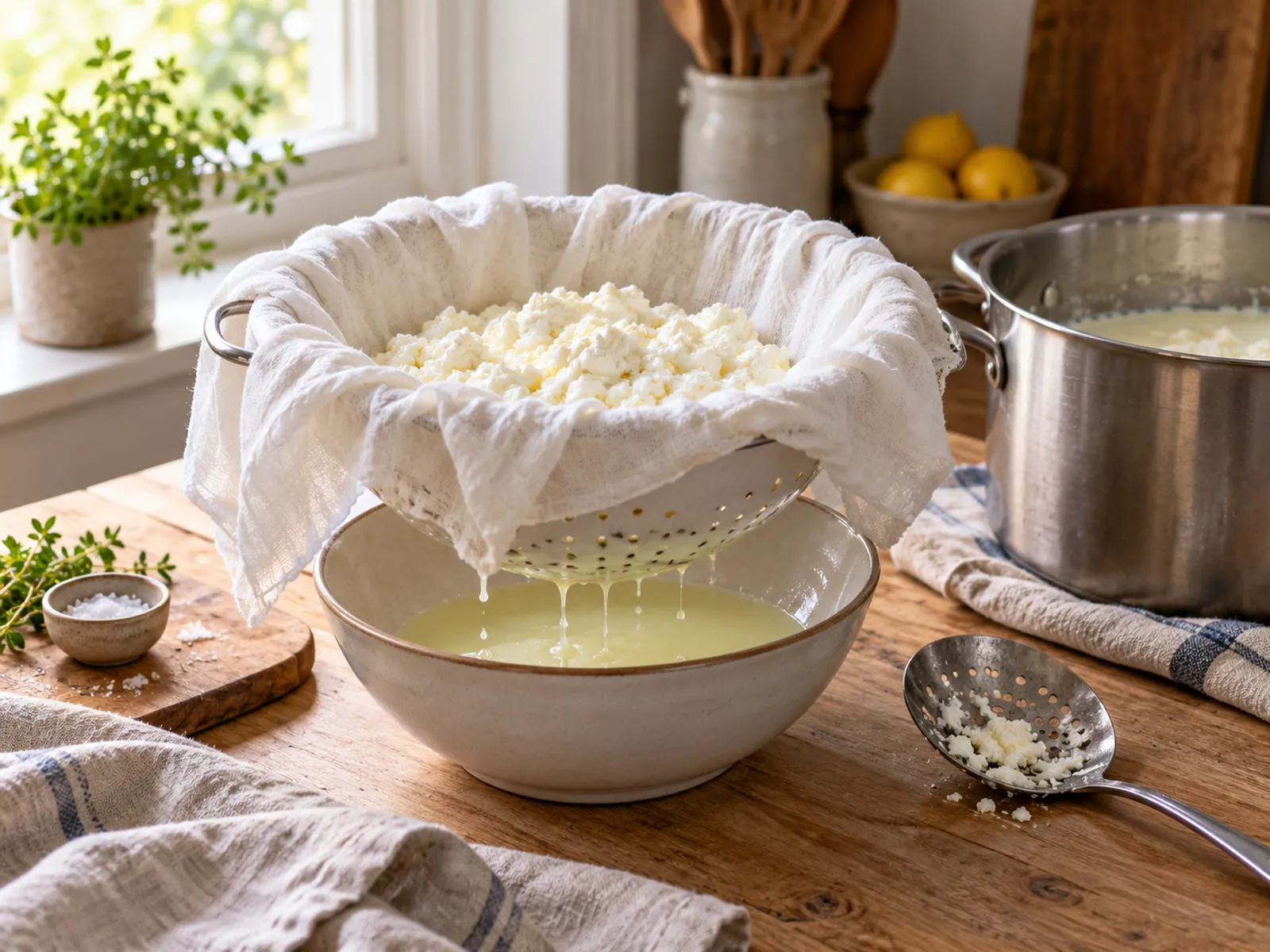
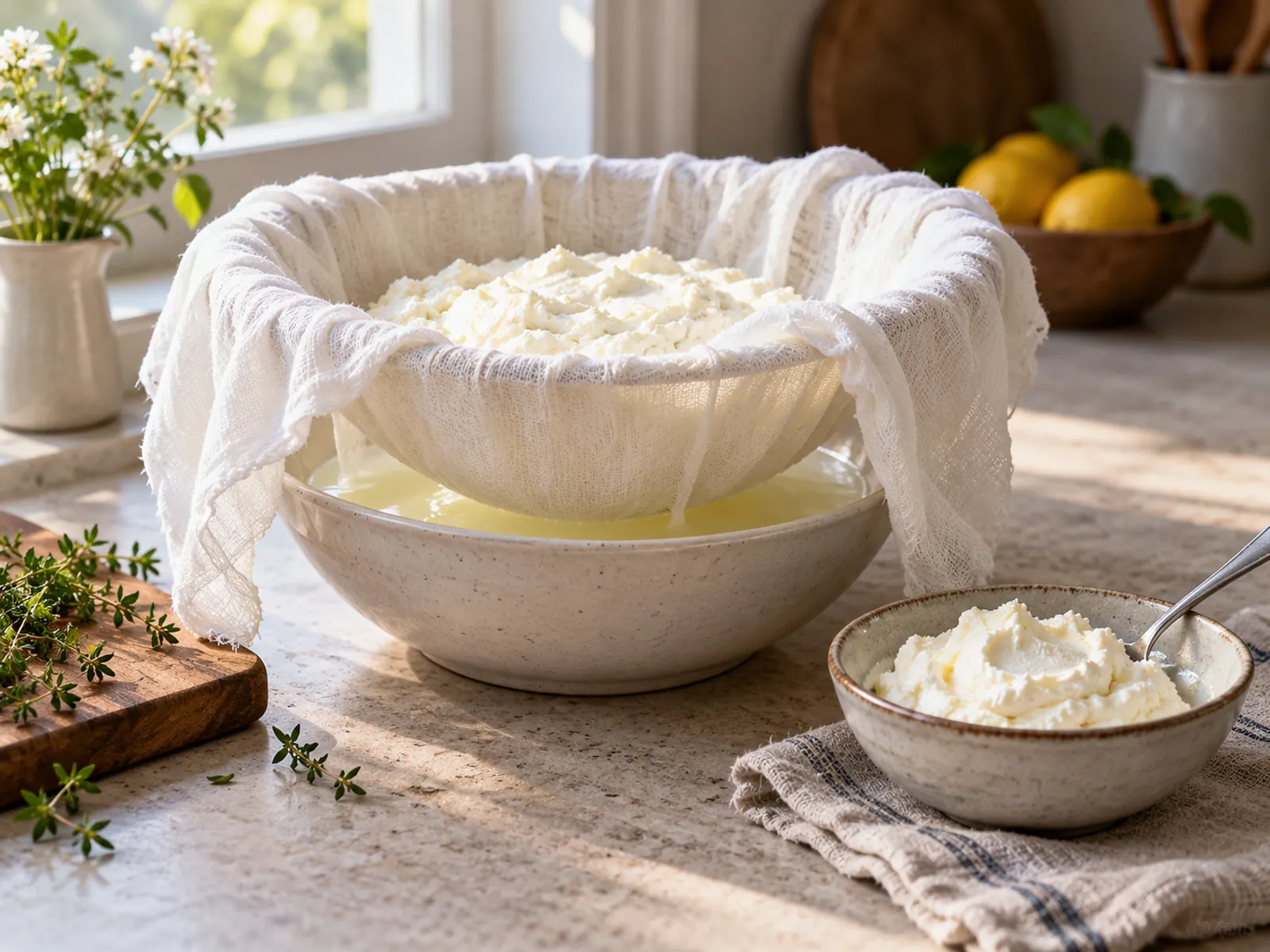
- 5Drain if needed For a thicker, scoopable texture, line a sieve with cheesecloth and let it drain in the fridge for a few hours. Yield is about 1 to 1 1/4 cups.
The cream cheese swap, done right
Cream cheese is the substitute most people already have, but used straight from the block it’s too firm and too tangy. Fix both and it becomes a genuine 1:1 stand-in.
Free Cheese Rennet Reference Card (printable PDF)
A printable PDF companion for the cheese calculators and guides.
Which substitute for which recipe
The right choice changes with the dish — a no-bake dessert is far less forgiving than a cooked sauce.
Substitutes to use with caution
Watch for
- Low-fat or fat-free cheeses in no-bake desserts Without the fat, tiramisu and mousse won't set and will weep. Always use full-fat.
- Plain (non-Greek) yogurt or thin sour cream on their own Too loose and too tangy — they'll slacken the mixture. Strain them first or blend with cream cheese.
- Overheating the DIY version Past ~190°F (88°C) the cream can split or scorch. Keep it gentle and stop once it coats the spoon.
- Ultra-pasteurized cream for homemade mascarpone It resists thickening. Regular pasteurized cream sets far more reliably.
- Swapping 1:1 without adjusting sweetness Cream-cheese- and yogurt-based subs are tangier, so taste and add a little sugar in sweet recipes.
Keep exploring cheese
Want to make fresh cheeses from scratch? Start with how to make fresh cheese at home, or see the closely related cream cheese substitute guide for more swaps. To make an acid-set cheese by hand, the cheese from milk and vinegar calculator gets your acid and yield right.