Fresh cheese is unaged cheese, made and eaten within a day or two rather than ripened for weeks. It is the easiest cheese to make at home because there is no cave, no wax, and no waiting: you curdle warm milk, drain off the whey, and salt what is left. This guide covers the whole fresh-cheese family, whether each one is set with acid or with a culture, the milk to buy, and the basic method that underlies all of them.
What counts as fresh cheese?
Fresh cheese is defined by time, not texture. It is cheese eaten young, before any real aging, so it stays soft, moist, and mild with a clean milky flavour. Nothing is held back to ripen, nothing develops a rind, and the flavour you taste on day one is roughly the flavour you get.
That short life is what makes fresh cheese approachable. An aged cheese needs controlled humidity, weeks of turning, and a lot of patience. A fresh cheese needs a pot, a thermometer, and a piece of cheesecloth. If you are completely new to the craft, the wider how to make cheese at home walkthrough sets the scene, and this guide zooms in on the unaged end of it.
The fresh cheese family
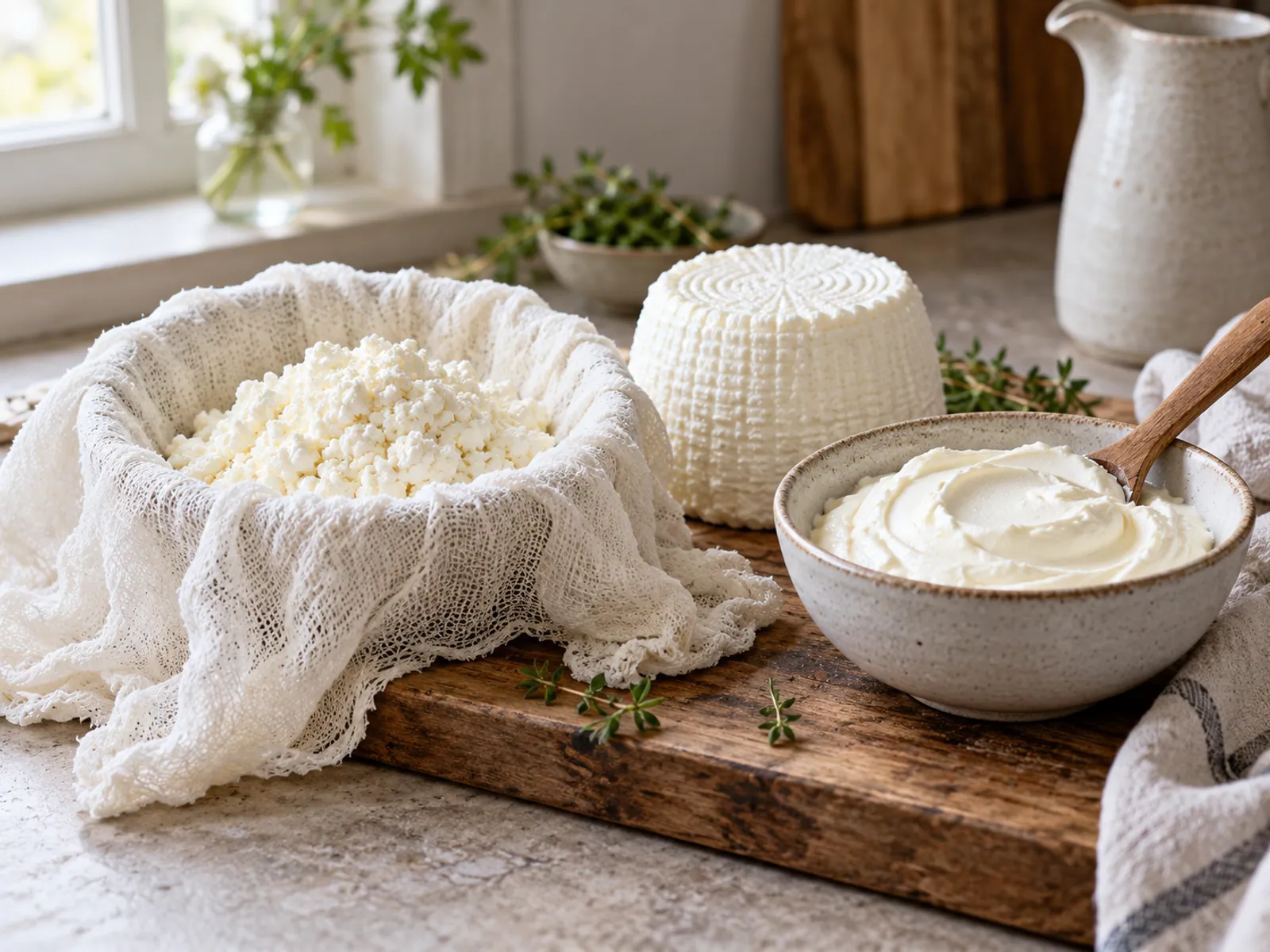
Most home fresh cheeses are variations on a few well-known styles. They differ mainly in how the curd is set, how long it takes, and how hard it is drained. Here is how the common ones compare:
| Fresh cheese | How it sets | Culturing / fermentation time | Difficulty |
|---|---|---|---|
| Ricotta | Acid, from whole milk or leftover whey | None, ready in under an hour | Easy |
| Paneer | Acid, lemon juice or citric acid | None, same day | Easy |
| Queso fresco | Culture and rennet, or acid | 30-60 min ripen, or none if acid-set | Easy to medium |
| Fromage blanc | Culture plus a few drops of rennet | About 12 hours at room temperature | Easy |
| Chevre | Culture plus a few drops of rennet | 12-24 hours at room temperature | Easy to medium |
| Cottage cheese | Culture and rennet, curds then cooked | About 12 hours, then a cook step | Medium |
| Cream cheese | Culture plus a few drops of rennet | About 12 hours, then drain overnight | Medium |
Quark sits alongside these as a cultured, soft, spoonable fresh cheese; it has its own how to make quark guide. Farmer’s cheese is the drier, pressable acid-set cousin covered in the farmer’s cheese guide.
Acid-set vs culture-set: the fork in the road
Every fresh cheese sets one of two ways, and choosing between them is the first real decision you make. Both turn liquid milk into curd by pushing milk protein (casein) past its tipping point at around pH 4.6, where it clumps and traps fat. They just get there differently.
Acid-set cheese is the place to start. When you are ready for the cultured styles, the cheese cultures guide explains which mesophilic starter to buy, and the rennet calculator works out the tiny rennet dose these recipes need.
Choosing your milk
Milk is the single biggest lever on your result, and one wrong carton can sink the whole batch before you start.
Watch for
- Never use ultra-pasteurised (UHT) milk. The high heat denatures the proteins so they will not form a proper curd. Check the carton, it is the most common reason a set fails.
- Avoid pre-shredded or non-dairy milks, they contain stabilisers and cannot coagulate.
- Skim and low-fat milk will set but give a lean, dry, low-yield cheese. Whole milk is worth it.
To scale a recipe up or down, the milk-to-cheese calculator turns a target weight of cheese into the litres of milk you need to buy.
Related calculator
Cheese from Milk & Vinegar
How to make cheese from milk and vinegar: get the exact vinegar to add, the fresh-cheese yield to expect, and the whey left over.
The basic method, step by step
Almost every fresh cheese follows the same five moves. Only the setting agent and the timing change between acid-set and culture-set styles.
- 1Heat the milk For an acid set, bring milk to 85-88C / 185-190F, stirring so it does not scorch. For a culture set, warm it only to about 21-24C / 70-75F for mesophilic cultures.
- 2Acidify or culture Acid-set: stir in lemon juice, vinegar, or dissolved citric acid a little at a time until the milk breaks into curds and clear yellowish whey. Culture-set: sprinkle in the mesophilic starter, add diluted rennet, stir gently, then cover and leave 12-24 hours.
- 3Cut or scoop the curd Acid curds appear on their own within minutes. Cultured curd forms a soft mass you cut into cubes or ladle out in slices. For cottage cheese the cut curds are then gently heated to firm them.
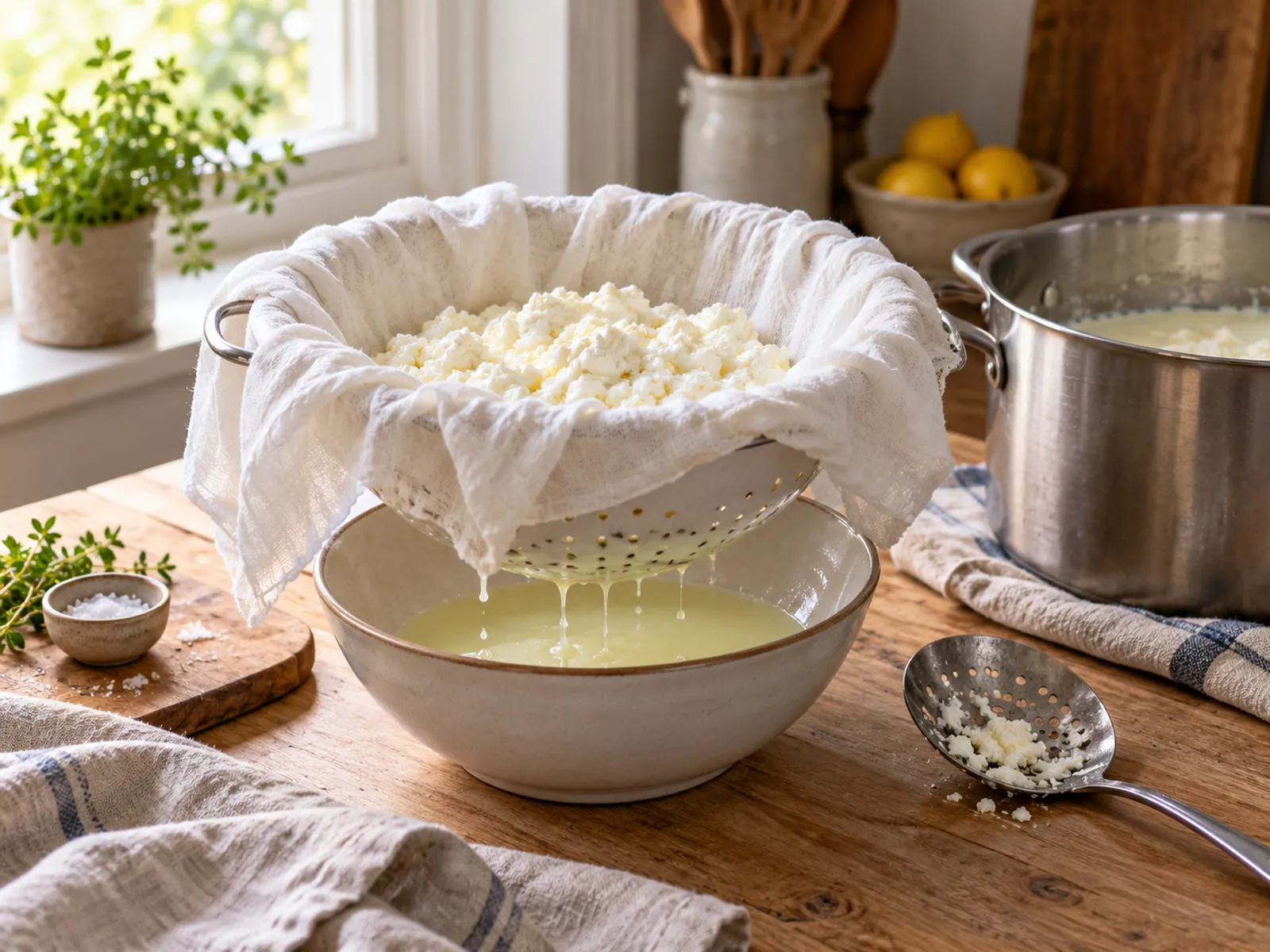
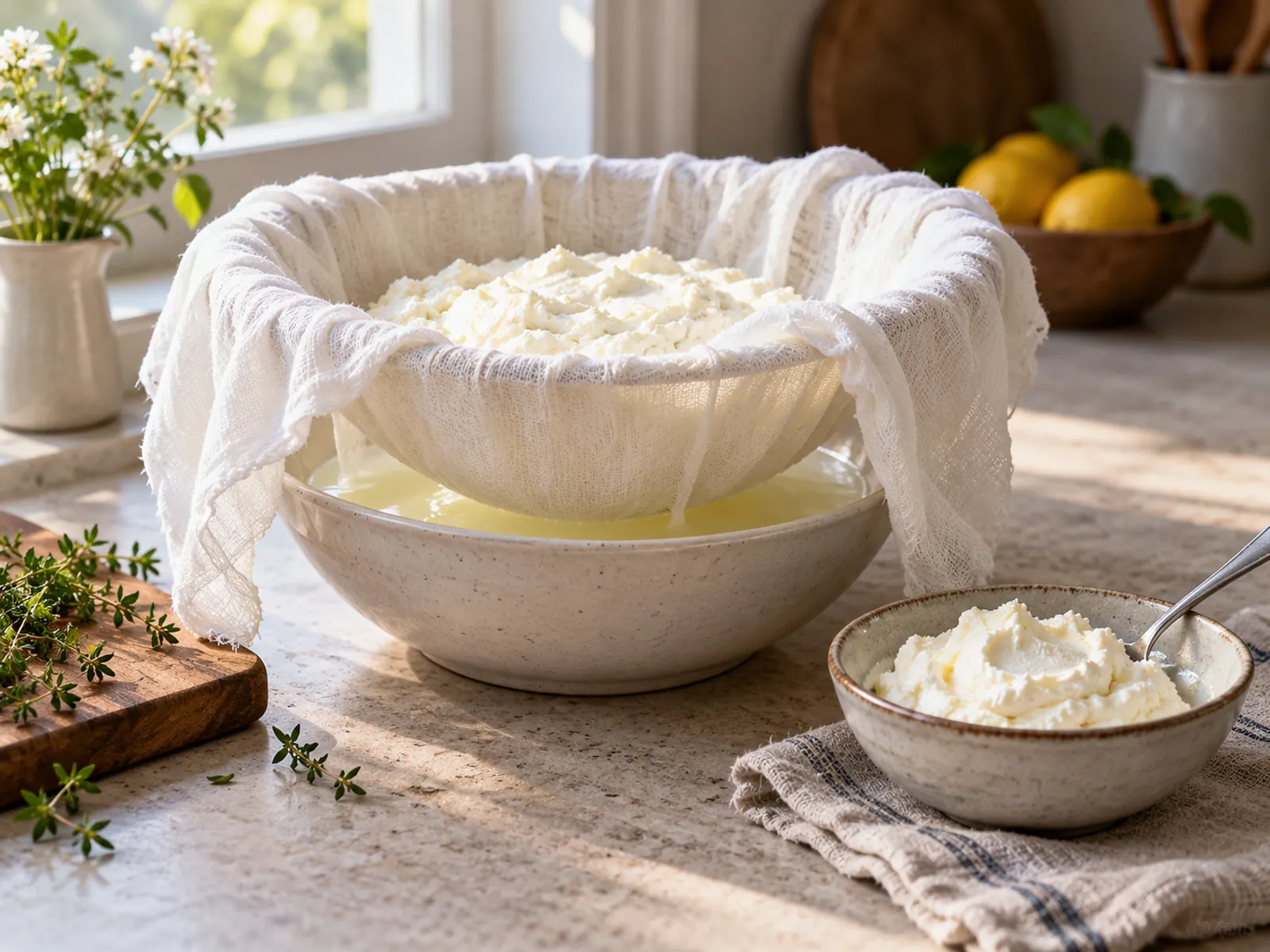
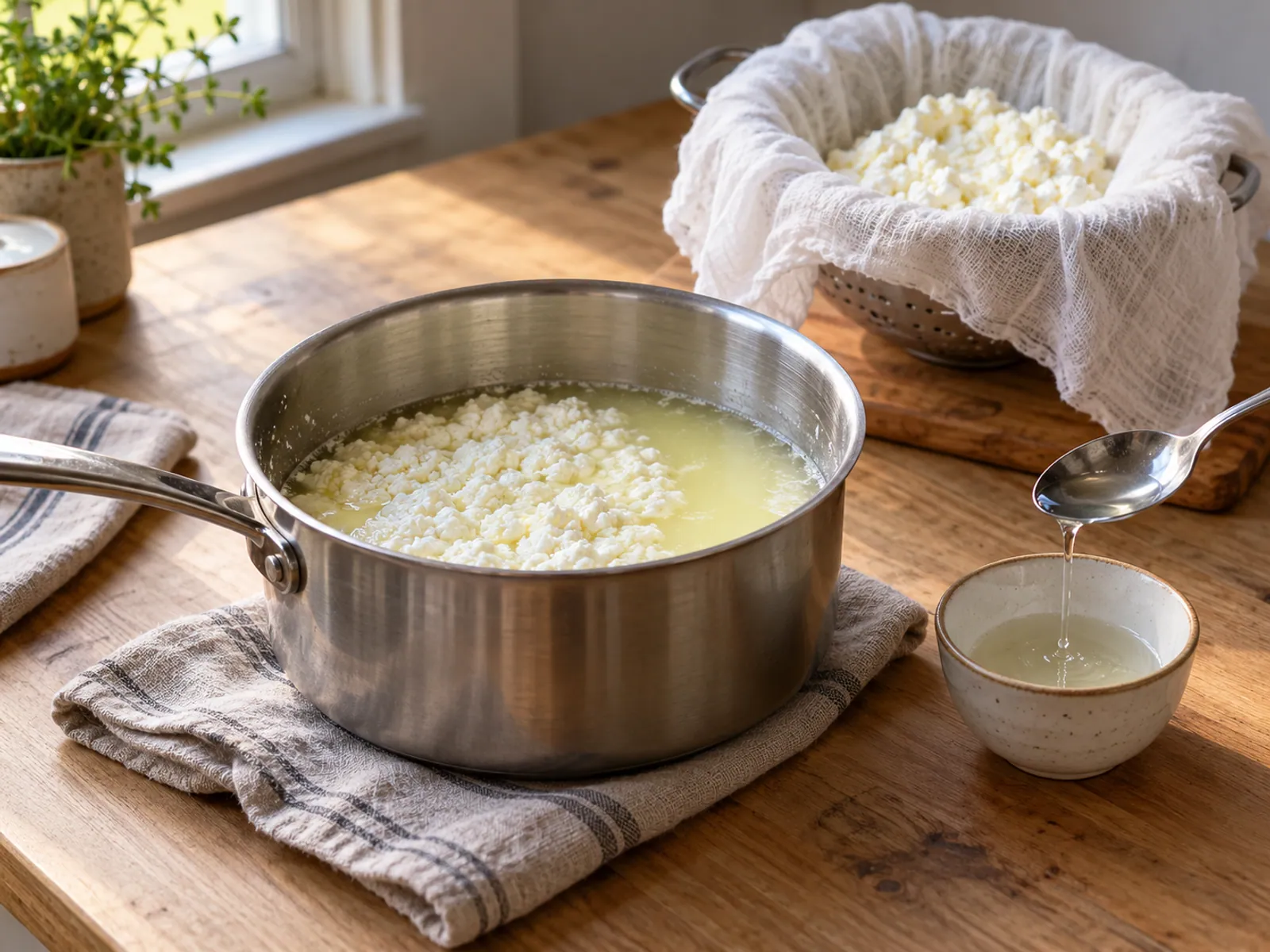
- 4Drain the whey Line a colander with cheesecloth and pour in the curds. Let the whey run off. This is where you control the final texture, covered in the next section.
- 5Salt and finish Add salt to taste once drained, from a light pinch for a spoonable cheese up to about 1-2% of the curd weight for a firmer, longer-keeping one. Mix in herbs, garlic, or pepper here if you like.
Save the whey from step four. It carries protein and can be used to make a second cheese (traditional ricotta) or added to bread and soups rather than poured away.
Free Cheese Rennet Reference Card (printable PDF)
A printable PDF companion for the cheese calculators and guides.
Draining and pressing times
Firmness is not baked into the recipe, it is set by how long and how hard you drain. The same batch of curd can become a loose, spoonable cheese or a sliceable block depending only on this step.
For a soft result, simply let the curd drip in the cheesecloth. For a firm one, gather the cloth into a bundle, twist to expel more whey, then set a weight on top: a plate topped with a full jar or two works well. Paneer and pressed queso fresco get their sliceable structure from a heavier press held longer. Drain in the fridge rather than at room temperature if you are pressing for more than an hour or two, to keep the cheese safe.
Salting and storage
Salt is not only for flavour in fresh cheese. It also draws out a little more moisture and slows spoilage, though fresh cheese is never salted heavily enough to keep for long.
Because fresh cheese is high in moisture and lightly salted, treat it like fresh dairy rather than a keeping cheese. If it smells sharp, sour beyond a pleasant tang, or grows any mould, discard it.
Which fresh cheese to make first
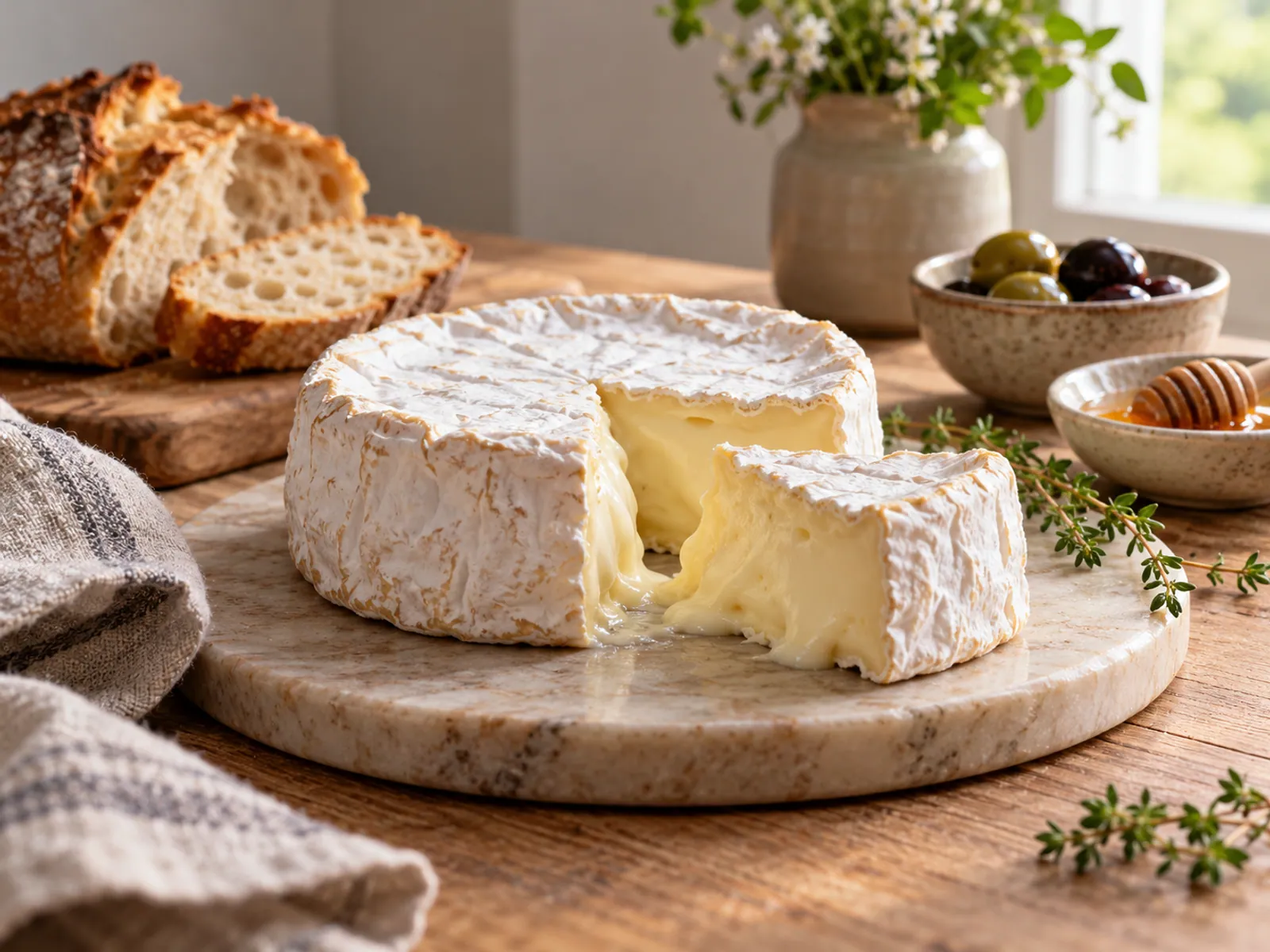
If this is your first cheese, make ricotta or paneer. Both are acid-set, need nothing but milk and an acid, and reward you the same afternoon. Once the heat-and-drain rhythm feels natural, buy a mesophilic culture and a little rennet and step up to fromage blanc or chevre for a tangier, creamier result. From there, cottage cheese and cream cheese add a cooking or long-drain step but use the same foundations. When you want to move past the unaged styles into surface-ripened soft cheeses like brie, the soft cheese making guide picks up where this one leaves off.
Before you shop, it helps to know how much cheese your milk will actually yield so you buy the right amount.