Minerals
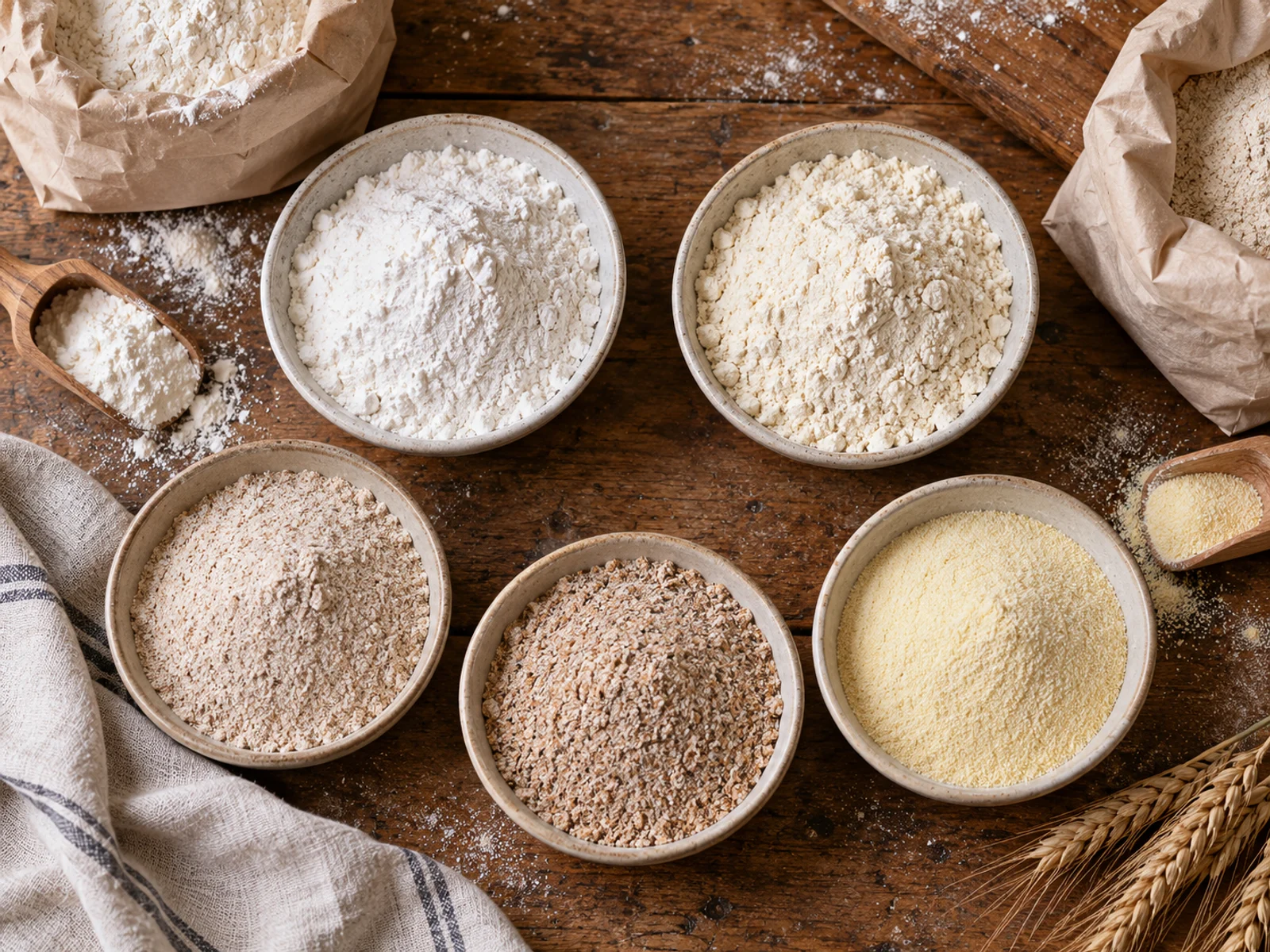
Several European type numbers describe mineral residue, not strength.

Sourdough · Calculator
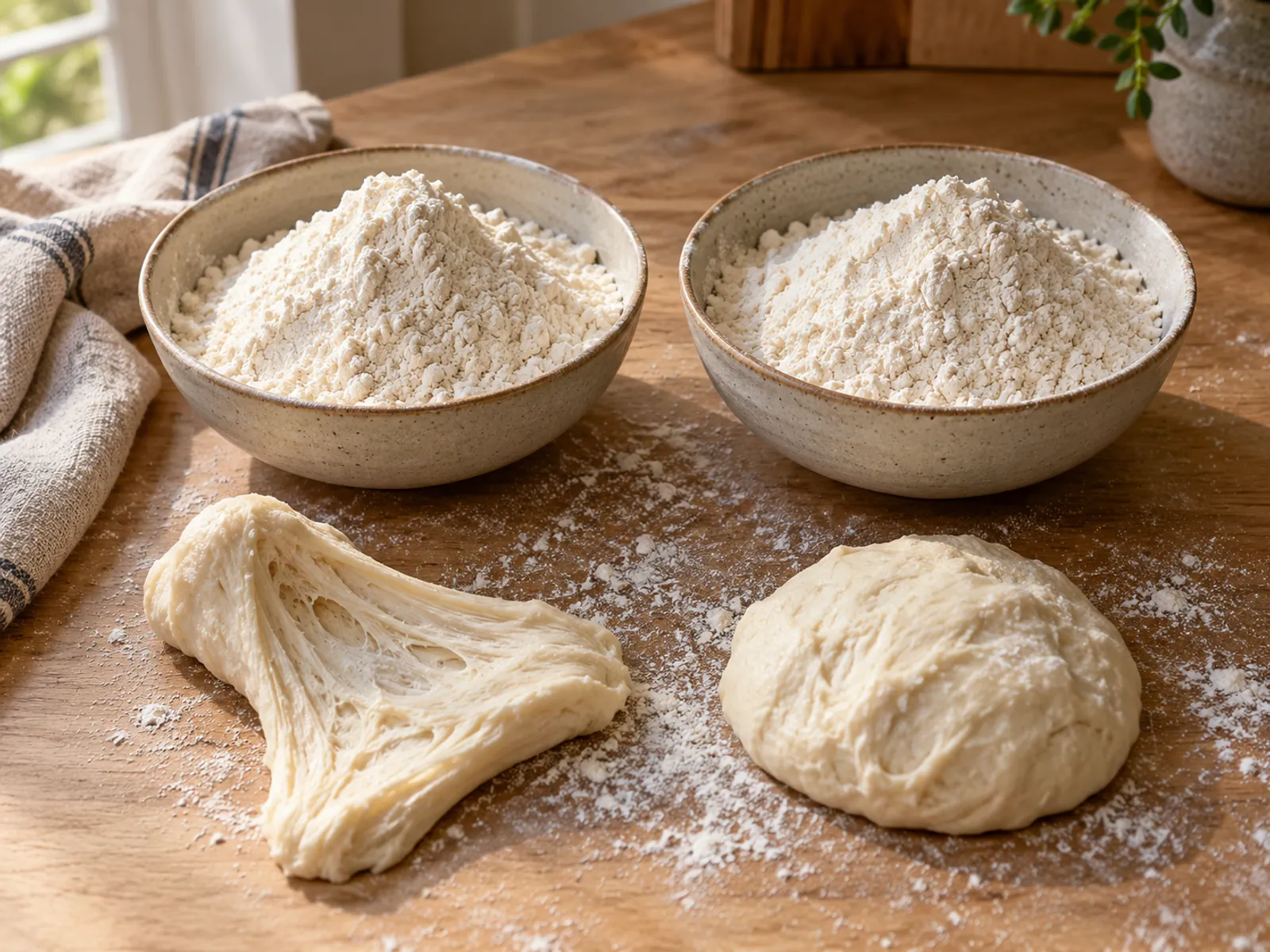
Compare German 405/550/1050, French T45–T150, Italian 00/0 and US flour labels. Approximate matches with protein and substitution guidance.
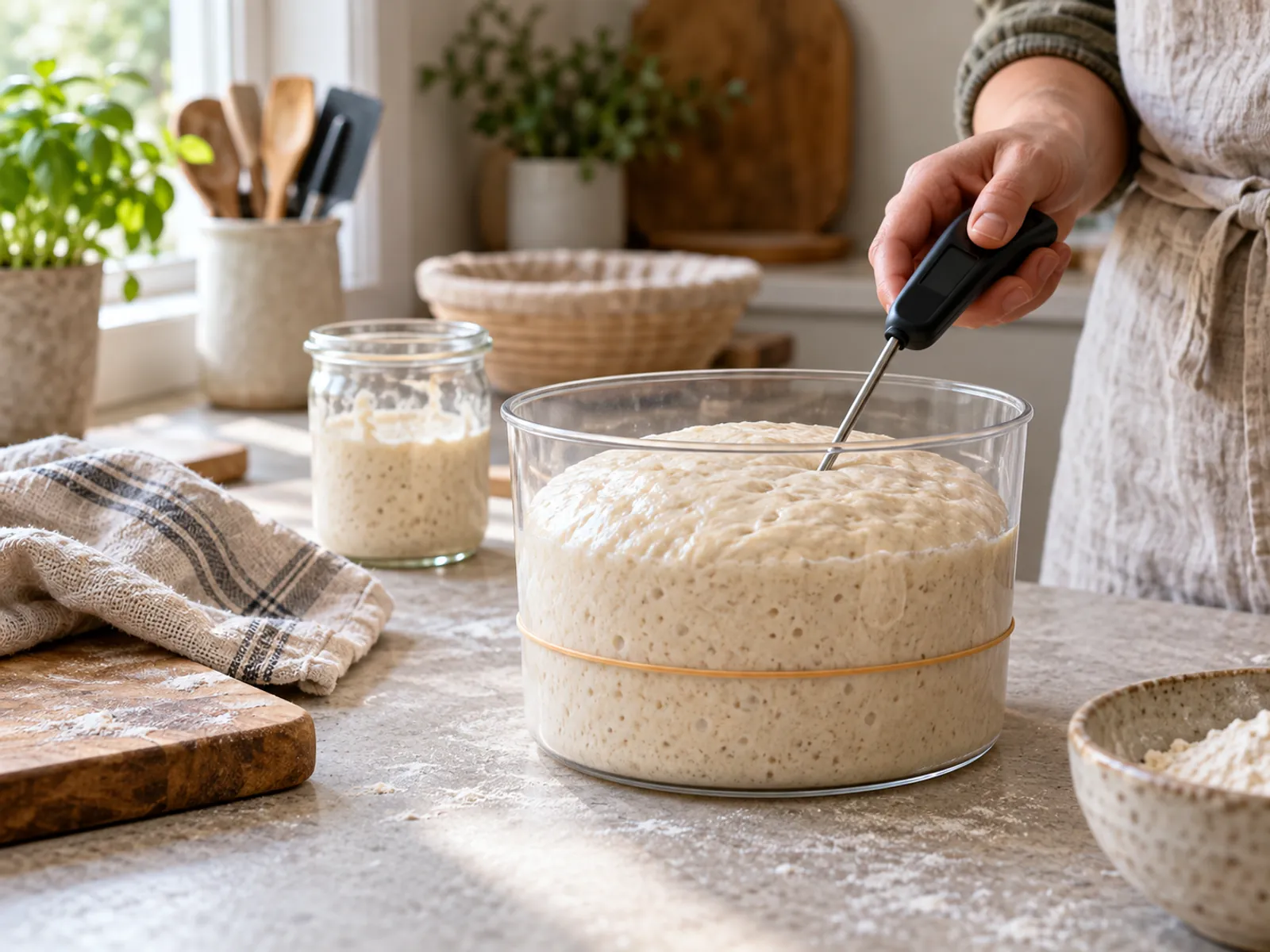
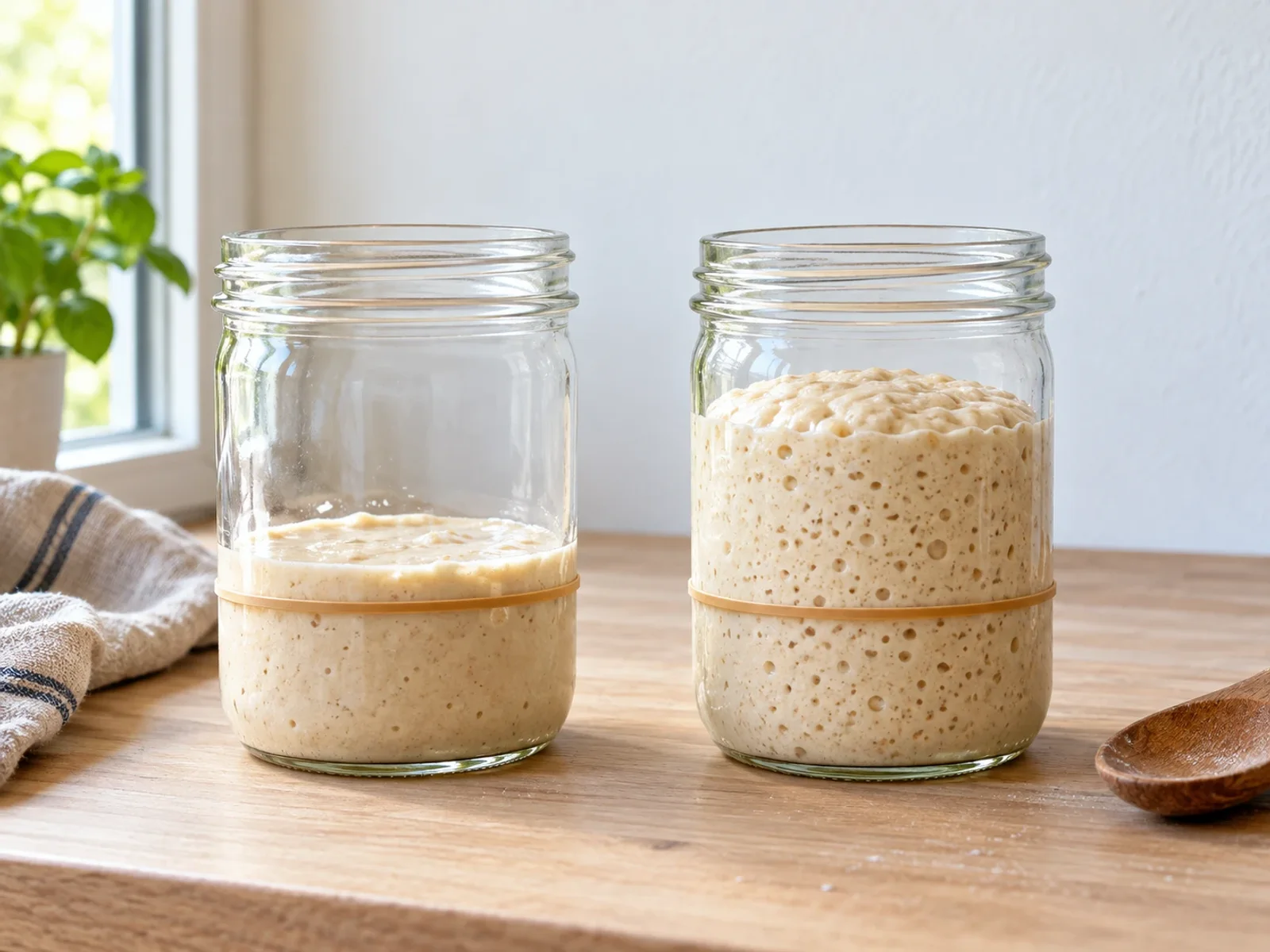
Log each feed, watch your starter rise in a 3D jar and record when it peaks. After two feeds it learns your own starter’s timing, so you know when it will be ready.
Calculator guide
Compare German 405/550/1050, French T45–T150, Italian 00/0 and US flour labels. Approximate matches with protein and substitution guidance.
Several European type numbers describe mineral residue, not strength.
A flour type number does not supply a reliable protein percentage.
Use a small trial batch before replacing an entire recipe.
Protein % = grams protein per 100g flourFor per-serving labels divide protein grams by serving grams and multiply by 100. Label rounding means the result remains approximate.
A US all-purpose or bread label describes intended use. A German wheat type number tracks mineral residue after burning a sample. French and Italian categories also distinguish degrees of refinement, but their boundaries and labelling conventions are not identical.
This is why 00 does not mean low protein. A mill can sell different refined flours for pastry and long-fermented pizza. Compare the product purpose and technical specification before using a familiar-looking label in a demanding recipe.
Two flours with similar protein can still handle differently. Wheat species, milling, bran, damaged starch and the quality of gluten-forming proteins affect water absorption and extensibility. A nutrition panel is a starting clue, not a full dough test.
For a mixed wheat formula, estimate protein by weighting each flour contribution. Do not apply a simple wheat strength rule to rye: rye bread structure depends on a different balance, and it is not shaped like a strong white dough.
Keep the flour weight unchanged initially and hold back a small part of the recipe water. Mix and rest before deciding whether the dough needs it. Compare handling after the rest, not just in the first sticky minute. Record the new flour, protein, water added and fermentation behaviour.
If replacing white flour with a higher-extraction flour, expect bran and mineral differences as well as possible extra water demand. For a first loaf, substitute part of the flour rather than changing all the flour, hydration and schedule together.
For a recipe written for US bread flour, do not buy a pastry 405 merely because an international table lists it near refined white flour. Find a product sold for bread and inspect its protein or mill strength data.
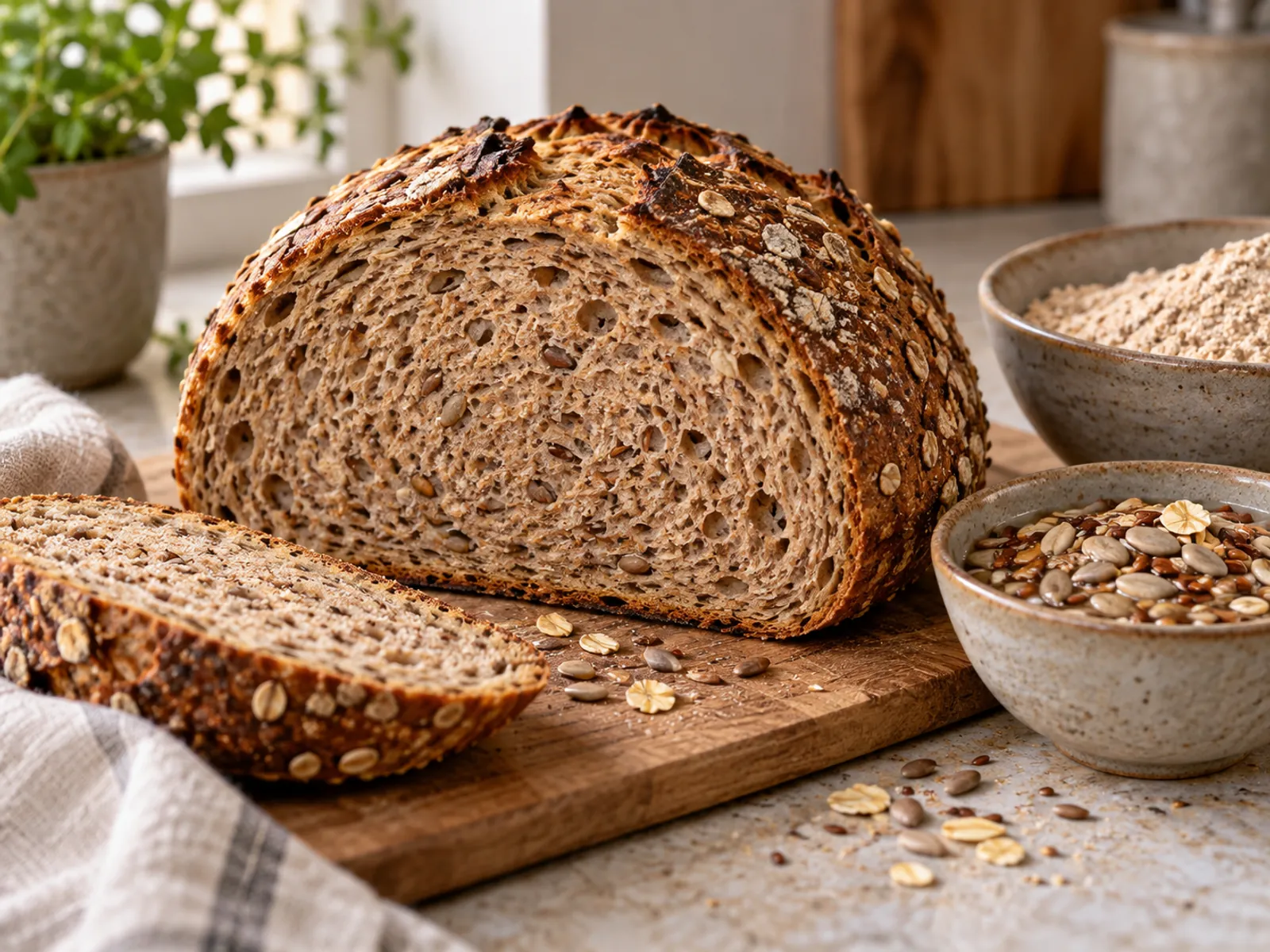
For a whole-wheat recipe, T150, Vollkorn and integrale are closer category matches than T55 or 00. The final grind and wheat type still influence the result. For French T65, a white bread flour can be a starting substitute, but it does not reproduce an exact mineral specification.
Category comparisons are informed by The Sourdough Framework, flour types. For an example of a specific 00 product with its own strength specification, see Caputo Pizzeria. Always prefer the actual mill specification over a broad comparison table.
FAQ
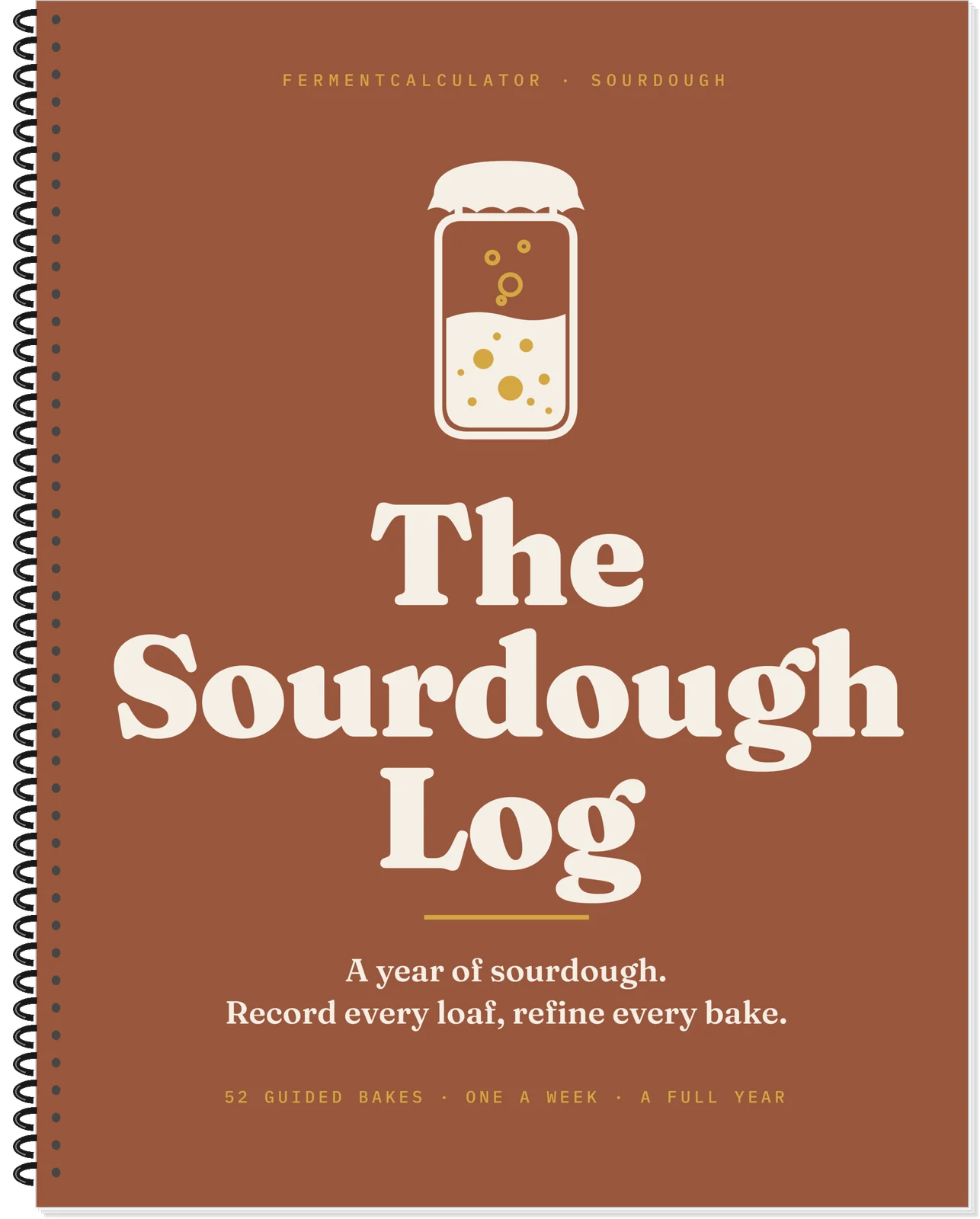
Printed book · Delivered to you
A spiral-bound book delivered to your door, ready to write in. 52 bake records in a spiral-bound journal that lies flat.
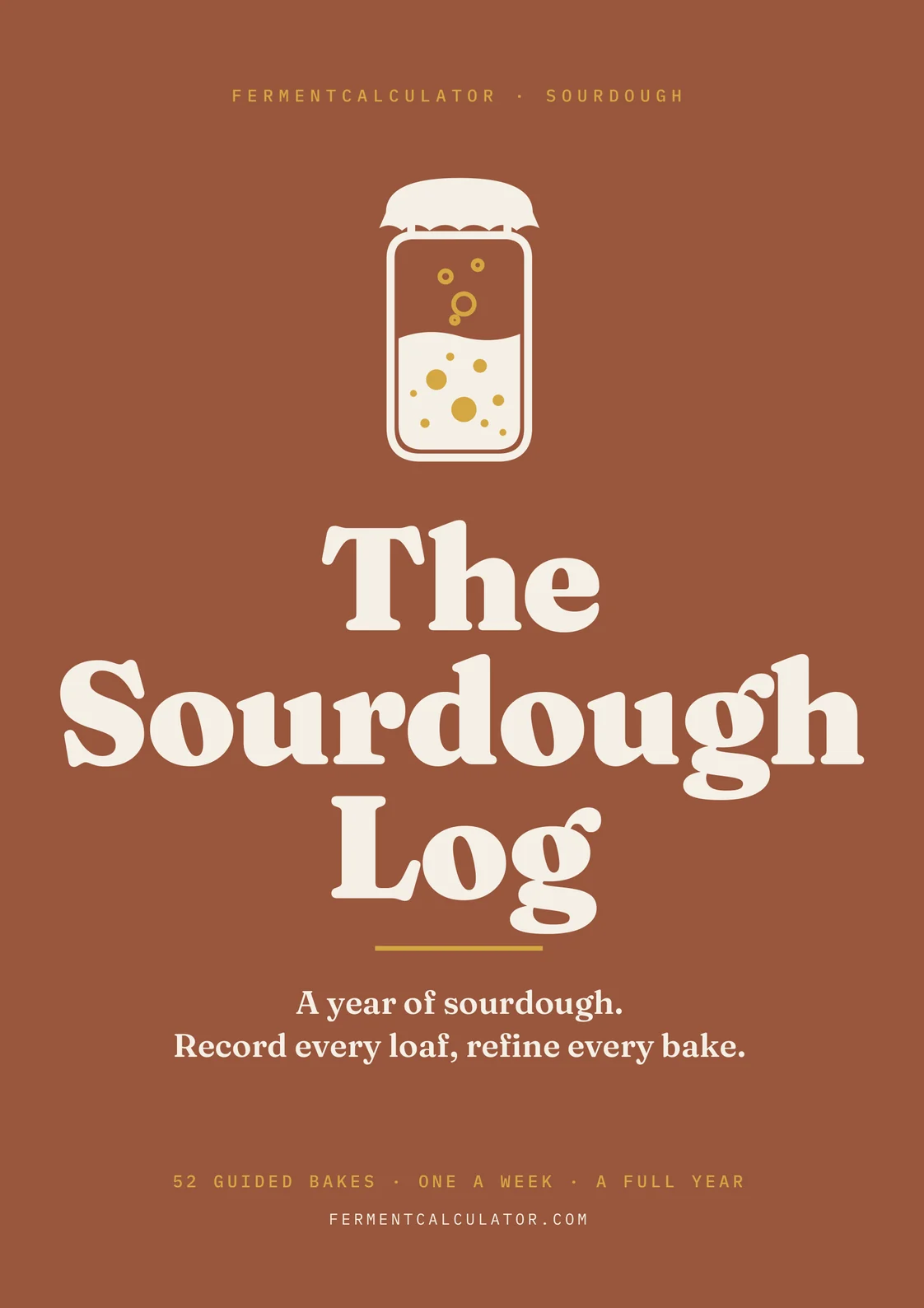
Digital download · Print at home
Download the files and print your own copy. No book is shipped. 52 guided bake spreads to download and print at home.
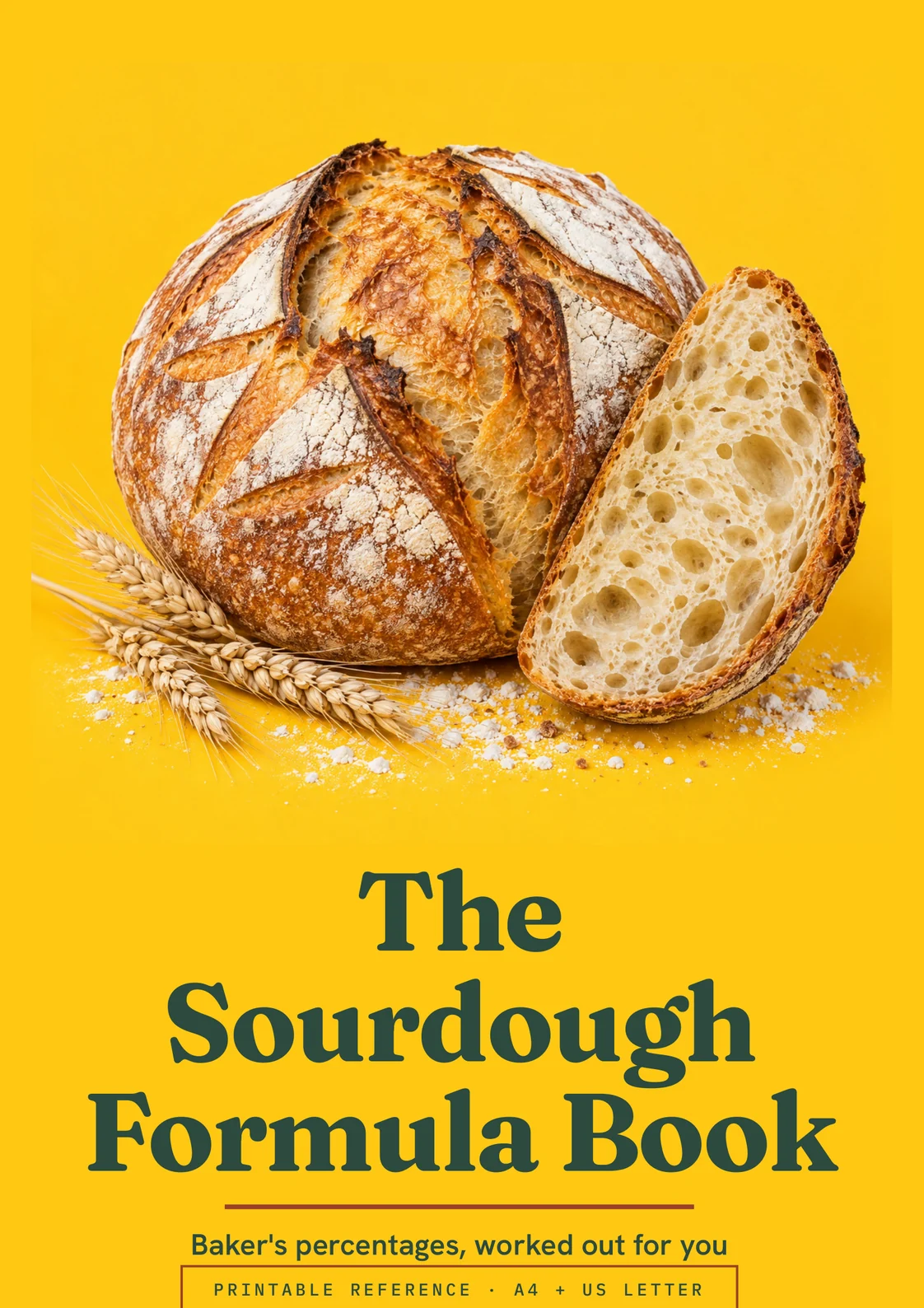
Digital download · Print at home
Download the files and print your own copy. No book is shipped. Baker's percentages, worked out for you.
One printable PDF covering core sourdough methods — hydration, starter, feeding, levain, bulk fermentation, and discard.
Calculators and guides for your next step.