Bread flour
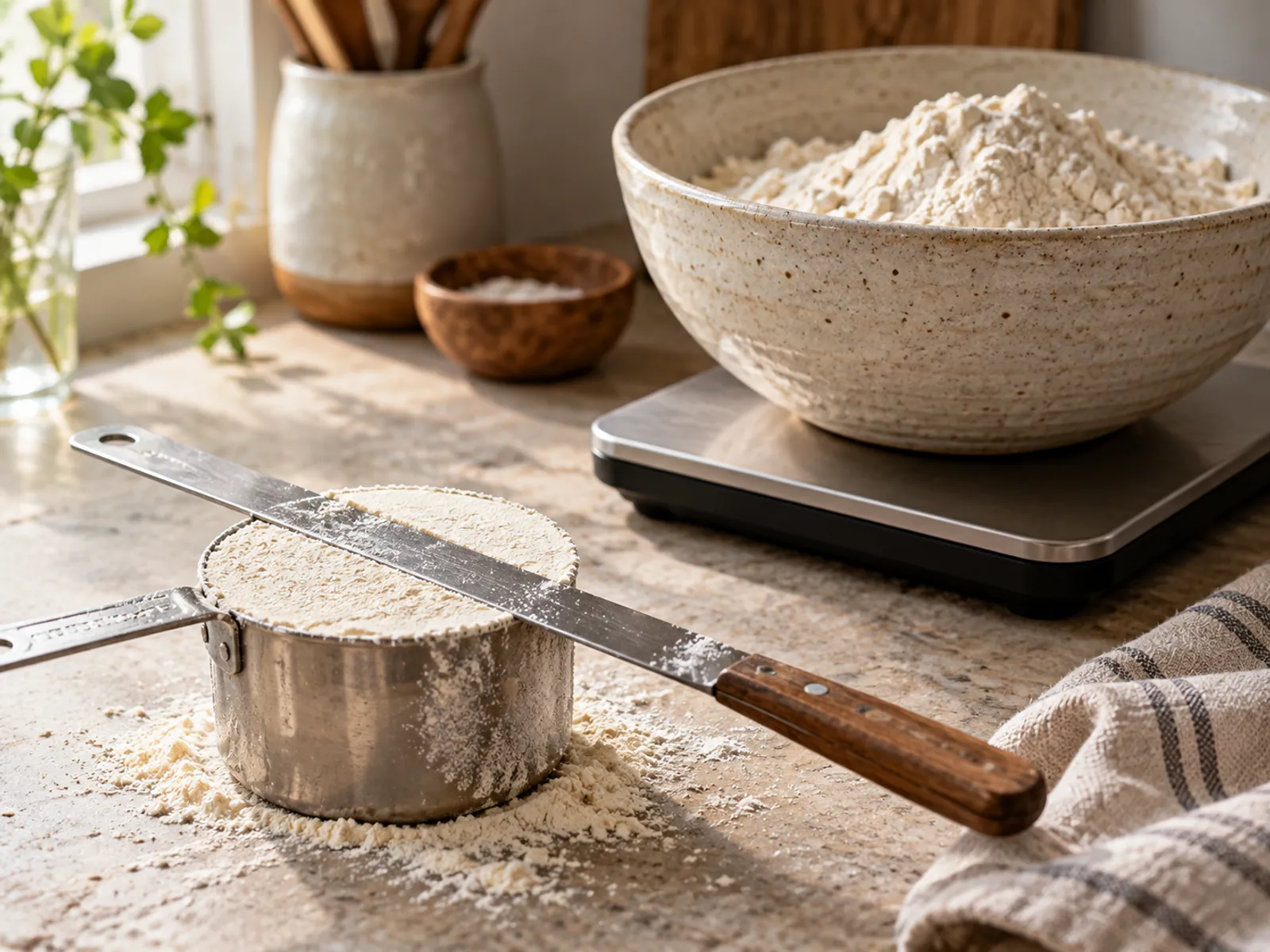
Per cup, spooned and levelled — not scooped.

Sourdough · Calculator
Convert cups of bread flour, all-purpose flour, whole wheat, water, and more to grams — and back. Standard cup-to-gram weights for accurate baking.
Live converter · updates as you type
What to do next
Bread flour, measured by weight.
Free printable
A batch card made from your numbers, to save as a PDF or receive by email:
| Ingredient | Per cup |
|---|---|
| Bread flour | 120 g |
| All-purpose flour | 120 g |
| Whole wheat flour | 113 g |
| Rye flour | 102 g |
| Water | 237 g |
| Sourdough starter (100%) | 227 g |
| Granulated sugar | 200 g |
| Honey | 340 g |
| Butter | 227 g |
| Oil | 218 g |
Cup weights are averages and vary with how ingredients are scooped and settled. Weigh ingredients for a more accurate result.
Log each feed, watch your starter rise in a 3D jar and record when it peaks. After two feeds it learns your own starter’s timing, so you know when it will be ready.
Baking conversions guide
Cups are convenient but imprecise — the weight of a "cup" of flour depends entirely on how you fill it. For bread, where hydration and ratios matter, weighing in grams is the single easiest upgrade to consistency.
A scale beats cups every time — but these standard weights get you close.
Per cup, spooned and levelled — not scooped.
Per cup — 1 ml of water weighs about 1 g.
Extra flour a packed scoop can add versus spooning.
cups × grams-per-cupExample: 3 cups × 120g = 360g bread flour. Reverse it by dividing: 360 ÷ 120 = 3 cups .
Sourdough depends on ratios — hydration, salt, and starter are all percentages of flour. If your flour weight is off, every ratio is off with it. Weighing in grams pins those ratios down so your loaf comes out the same each time.
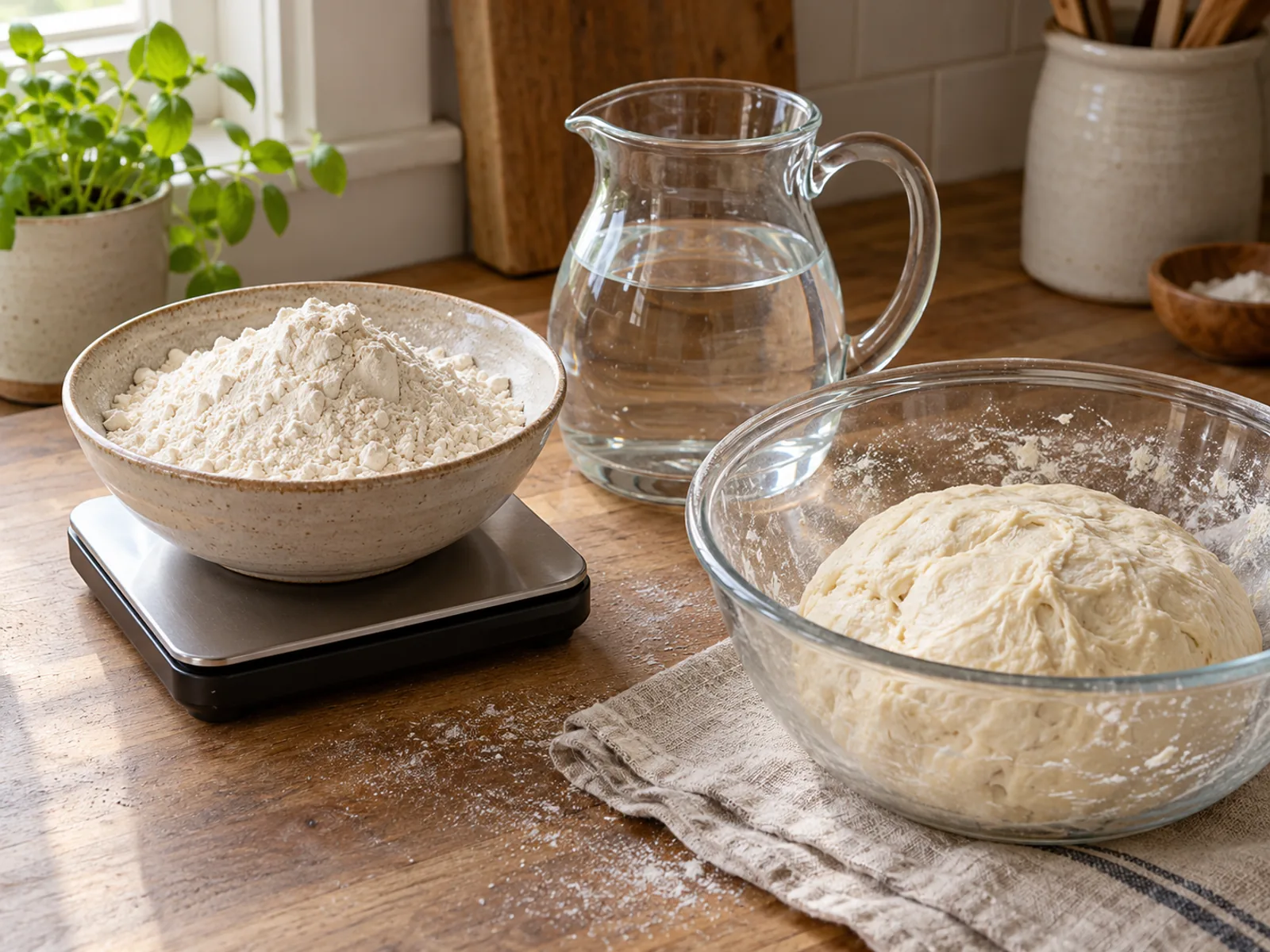
Grams are also more precise than cups (1 gram versus a rough cup line) and faster in practice — you can weigh everything into one bowl on a scale, zeroing between each addition.
The biggest source of error with cups is how you fill them. Dipping the cup into the bag packs the flour down, so a "cup" can weigh anywhere from 120g up to 150g or more — a 20–30% swing that can wreck a bread recipe.
The standard 120g-per-cup weight assumes you spoon flour lightly into the cup and level it off with a knife. When in doubt, weigh — it sidesteps the problem entirely.
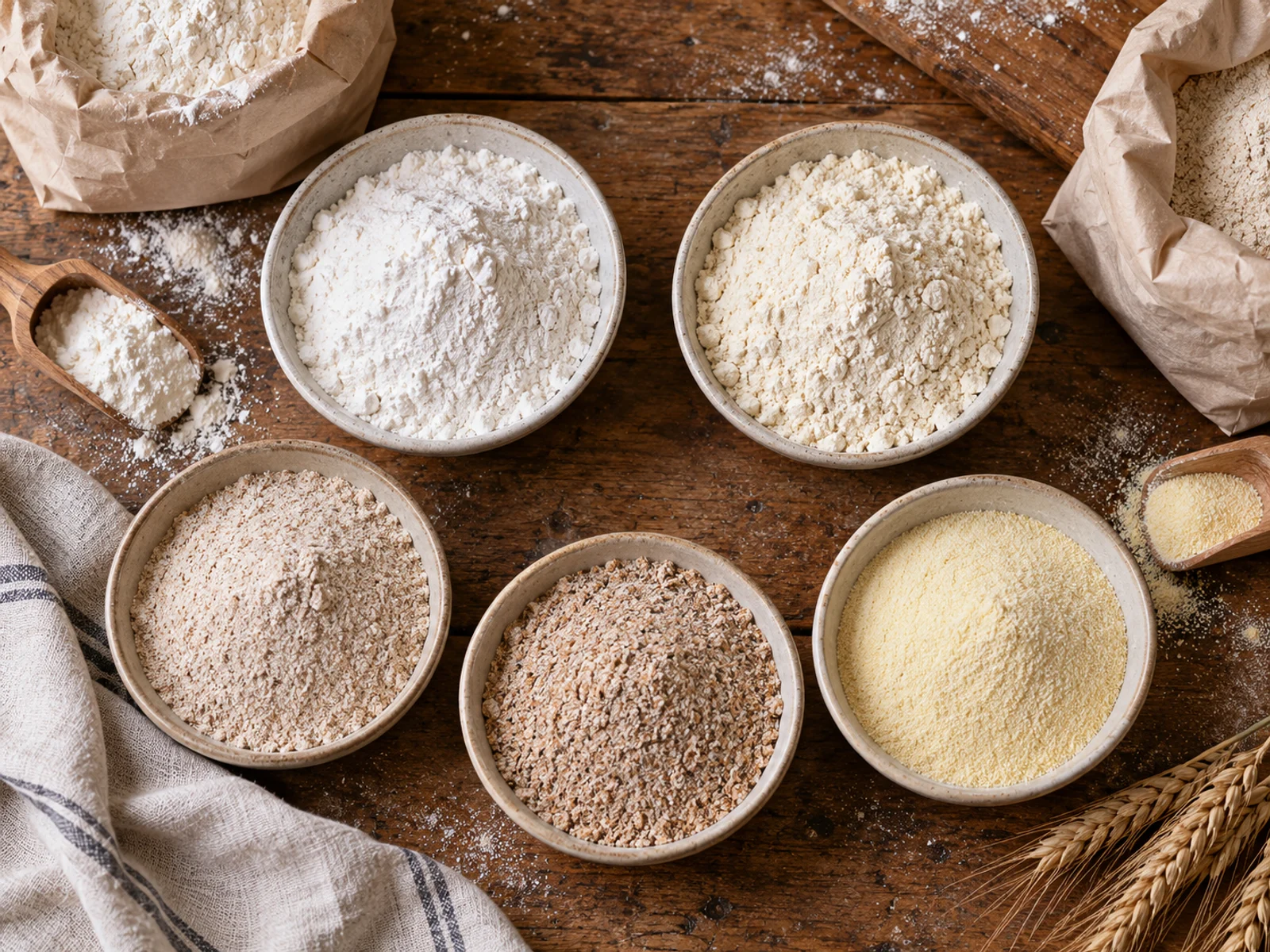
Bread flour and all-purpose are almost identical by weight, around 120g per cup — they differ in protein, not density. Whole wheat is a little lighter at about 113g, and rye lighter still at around 102g because of how the bran sits.
The converter keeps each flour separate so you always get the right weight, and the reference chart on the calculator lists them side by side.
If you don't have a scale, fluff the flour in the bag first, spoon it lightly into the cup without tapping or packing, then level the top with the back of a knife. That's the method the 120g-per-cup standard assumes.
Then use this converter to turn those cups into grams — so you can follow gram-based bread recipes and pair the result with the baker's percentage calculator.
| Ingredient | Grams per US cup | Notes |
|---|---|---|
| Bread flour | 120 g | Per cup, spooned and levelled. Same as all-purpose by weight. |
| Whole wheat | 113 g | Slightly lighter per cup than white flour. |
| Water | 237 g | 1 cup ≈ 237 ml ≈ 237 g. The easiest ingredient to convert. |
| Sugar | 200 g | Granulated white sugar, per cup. |
| Butter | 227 g | One cup (two US sticks) of butter. |
FAQ
Quick answers for converting and measuring baking ingredients.
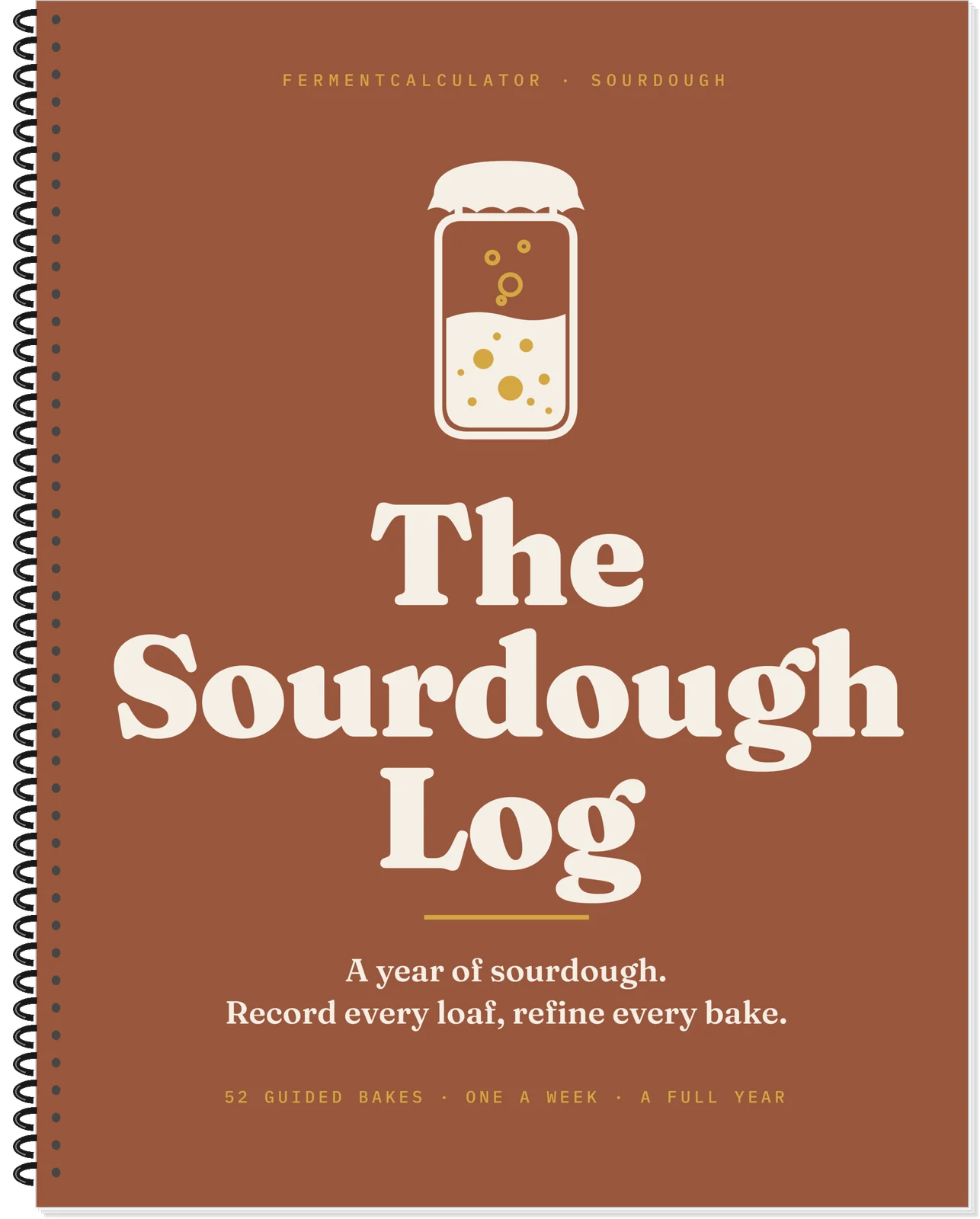
Printed book · Delivered to you
A spiral-bound book delivered to your door, ready to write in. 52 bake records in a spiral-bound journal that lies flat.
Digital download · Print at home
Download the files and print your own copy. No book is shipped. 52 guided bake spreads to download and print at home.
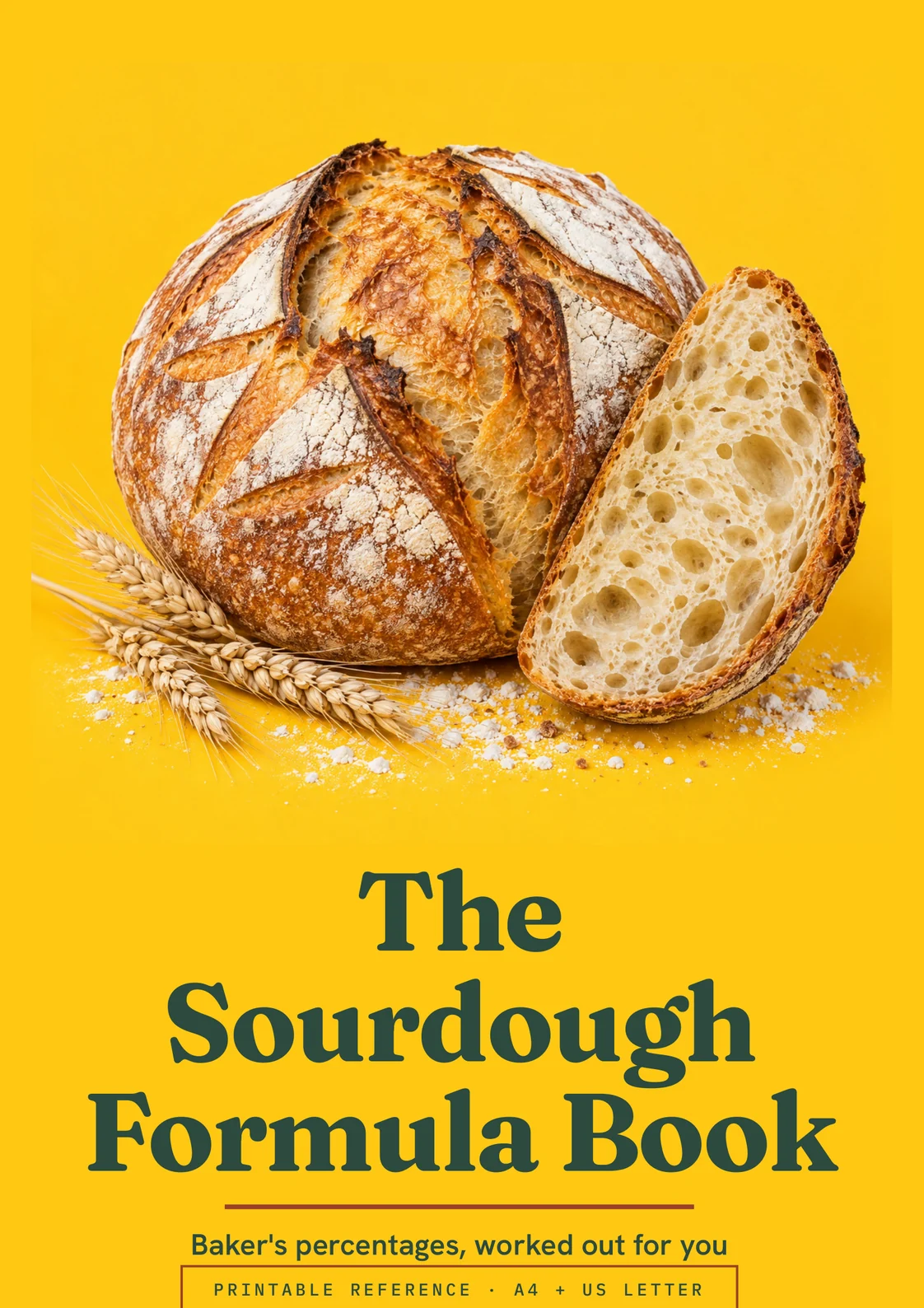
Digital download · Print at home
Download the files and print your own copy. No book is shipped. Baker's percentages, worked out for you.
Get the complete Sourdough Baking Playbook — all the calculators and conversions in one printable reference.
Calculators and guides for your next step.