Sourdough Starter Manager
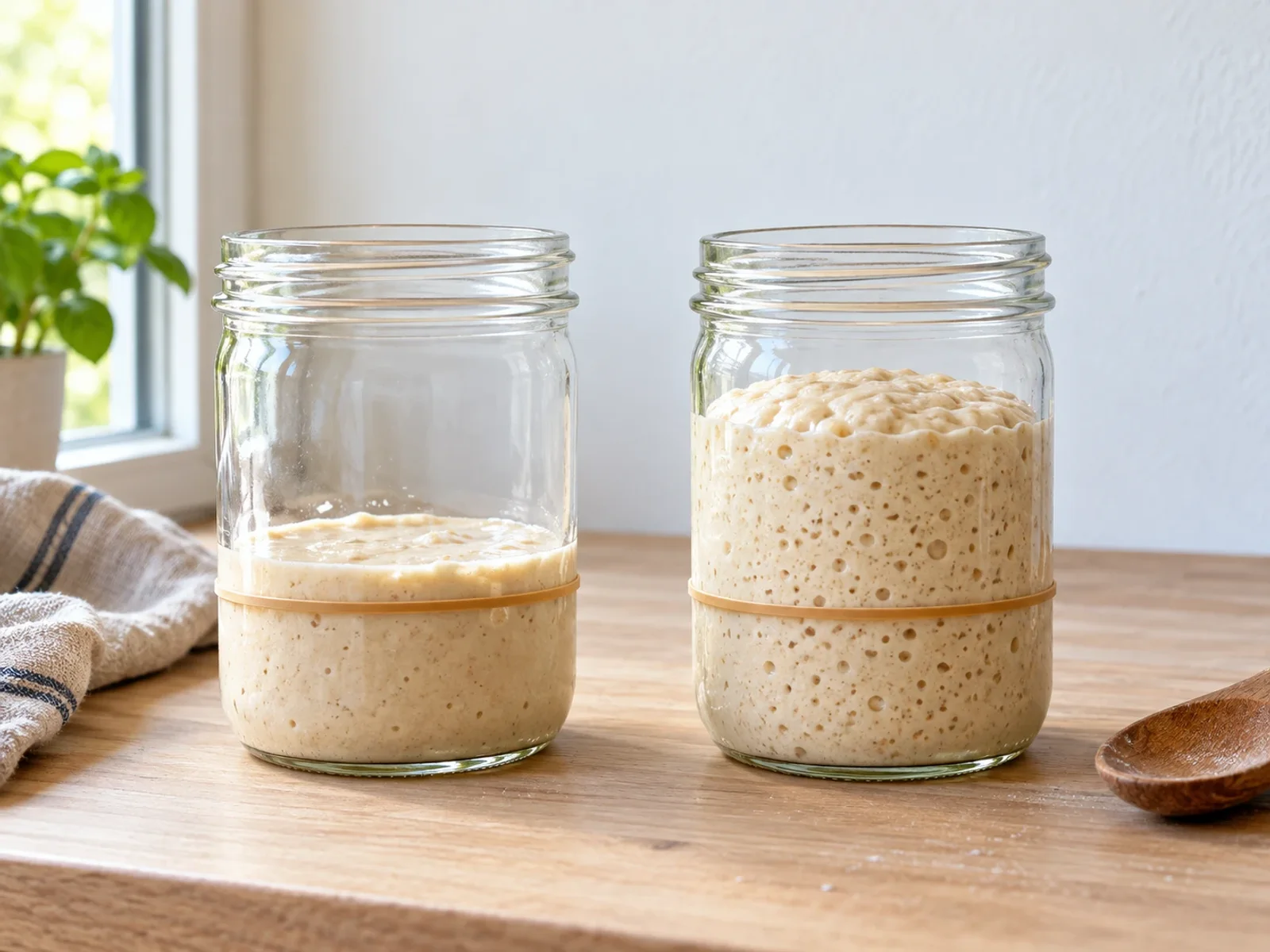
Log each feed, watch your starter rise in a 3D jar and record when it peaks. After two feeds it learns your own starter’s timing, so you know when it will be ready.
- See the rise against the clock
- Learns your starter’s peak time
- Free, no account needed
Choose the method the dough can handle
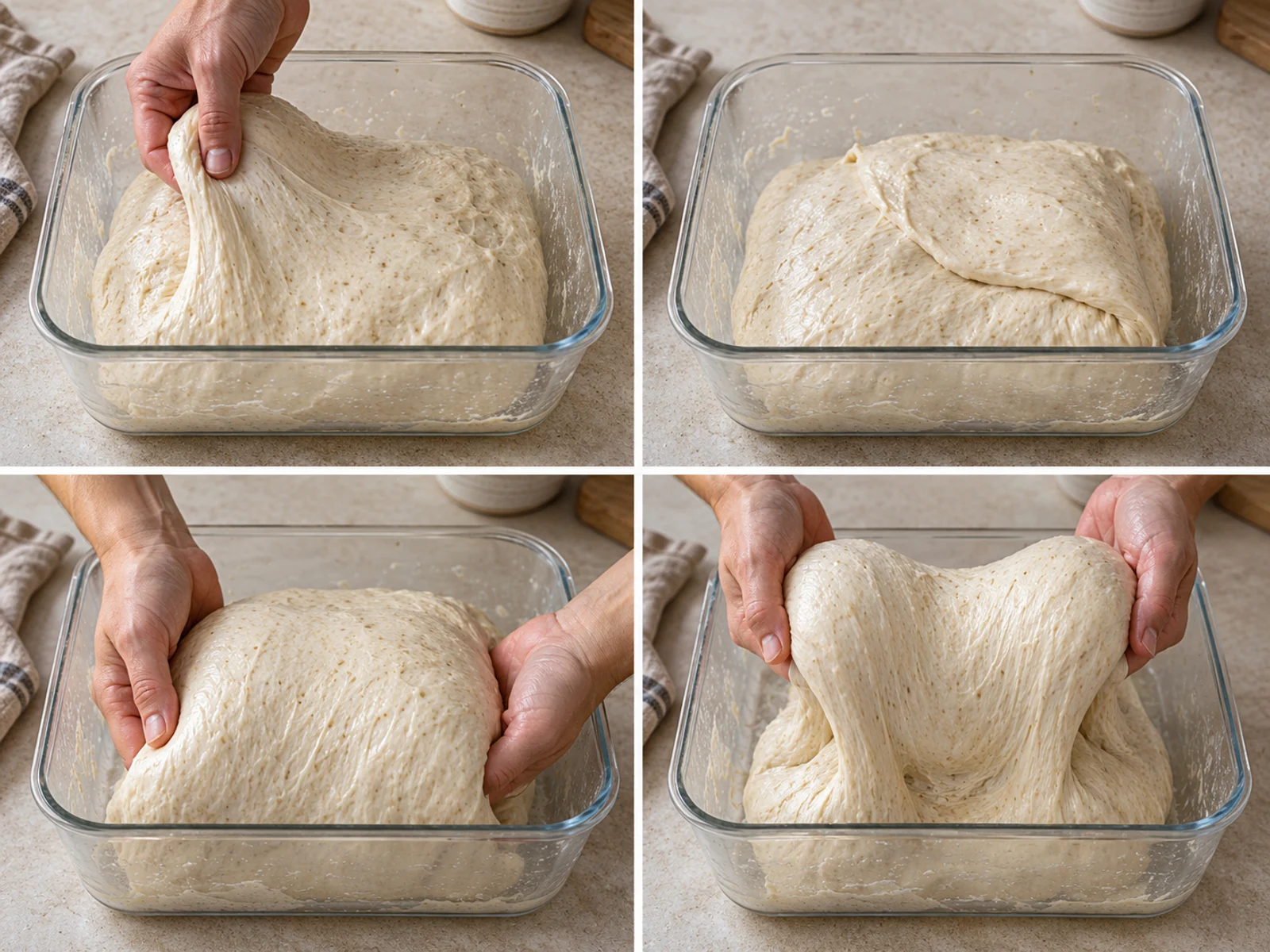
A stretch and fold lifts one edge of dough and lays it across the remaining mass. A coil fold lifts from underneath the middle so the ends tuck beneath as the dough settles. Both reorganise a developing wheat gluten network, but the grip and amount of exposed surface differ.
Use a bowl fold when a freshly mixed dough is too loose to lift as one sheet. Once the mass has cohesion, a coil fold can support it without repeatedly grabbing its edges. You can use both methods in one bake; choosing a different fold is not a change of bread recipe.
Compare the methods
| Method | Useful stage | Common mistake |
|---|---|---|
| Bowl stretch and fold | Early bulk; dough needs organisation | Pulling until an edge tears |
| Coil fold | Cohesive, extensible dough | Lifting too high or dragging the dough against the tub |
| Lamination | Particular strengthening or inclusion workflows | Stretching cold/tight dough into holes |
| Rest without folding | Dough already has strength or is nearing bulk completion | Adding folds simply because a timer says so |
Hydration alone does not choose the method. A strong wet dough may lift cleanly; a lower-protein dough at the same hydration may need a smaller movement. Container width also matters: a very broad tray lets dough spread farther between folds.
A controlled bowl stretch and fold
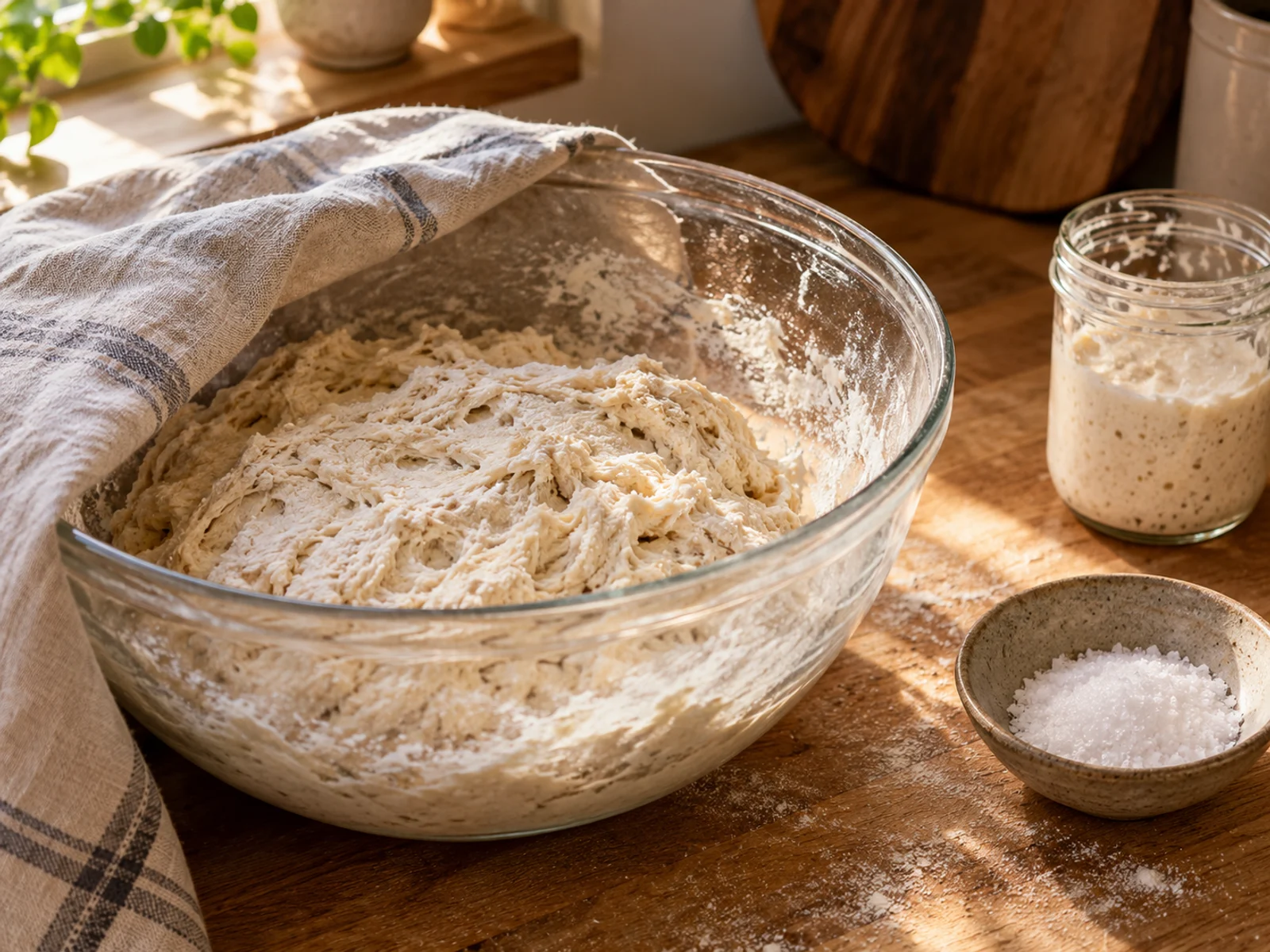
Wet your hand lightly so you can lift without sticking. Take an edge, raise it only until you feel resistance, then lay it over the centre. Turn the bowl and repeat around the mass. A set may include four directions, but stop earlier if the dough becomes tight.
After the set, cover the bowl and rest it. A successful fold usually leaves a more organised mass; it does not need to look like a firm finished loaf. If the dough tears on the second pull, reduce the stretch and allow more rest rather than forcing two more pulls to complete the set.
Avoid working dry flour into the dough during bulk. Flour on the surface can leave streaks and change the effective hydration. Additions intended to change the formula belong in the planned mix, not in repeated dustings during every fold.
A gentle coil fold
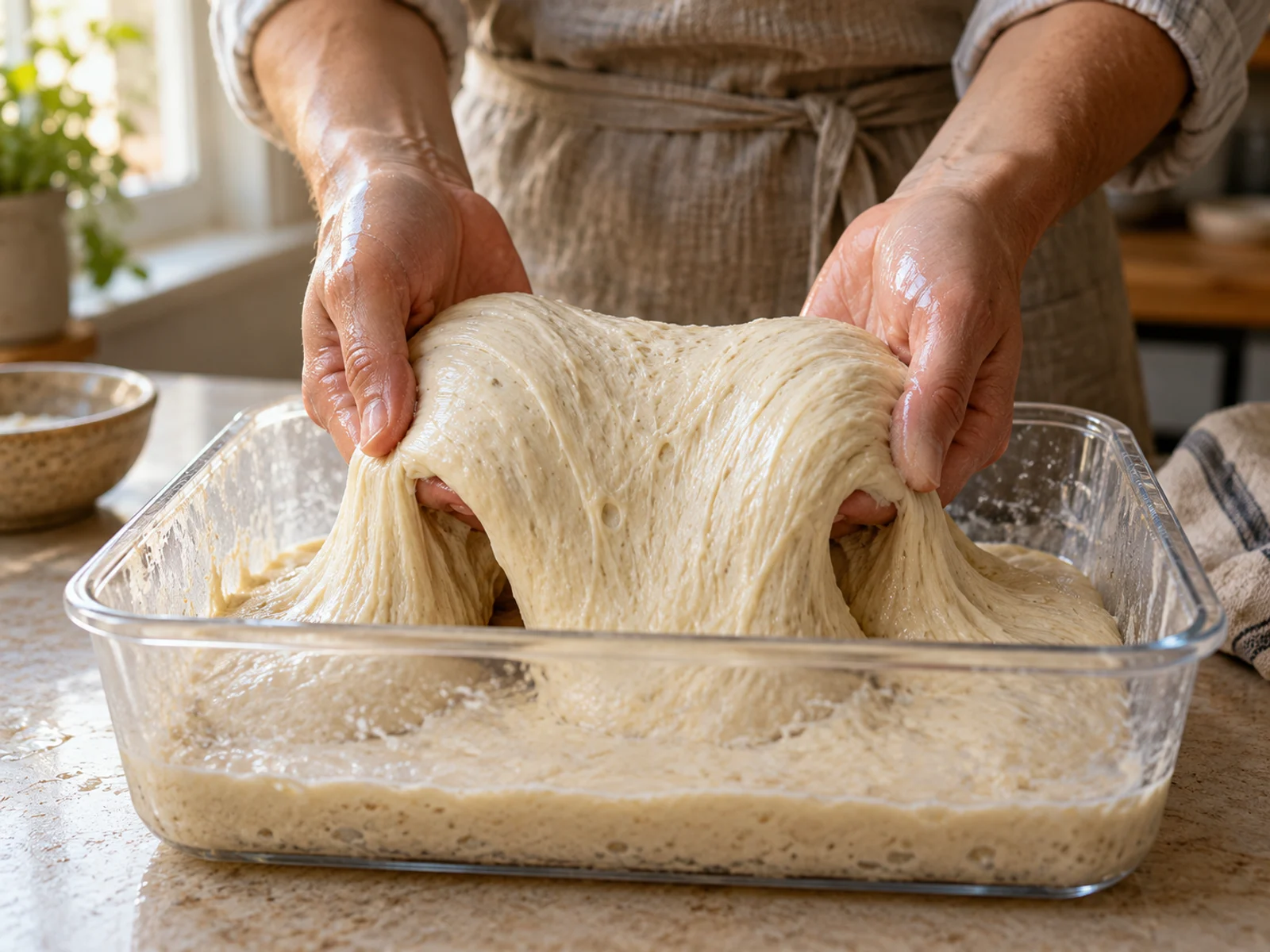
Use a straight-sided container that gives your hands space. Slide damp fingers under the centre from two sides and lift until an end releases. Lower the dough so that end folds beneath the middle. Repeat from the other side, then rotate the container if another direction needs support.
Keep the movement low and controlled. Do not stretch a long hanging curtain from dough that cannot support its weight. If the underside sticks, loosen gently rather than yanking; a torn base is not improved by a higher lift.
As the dough strengthens, the lift becomes shorter because more of the mass comes up together. That change is useful feedback. A later fold should preserve the developing bubbles, not squeeze them out in pursuit of a perfectly smooth surface.
Related calculator
Bulk Fermentation Time Calculator
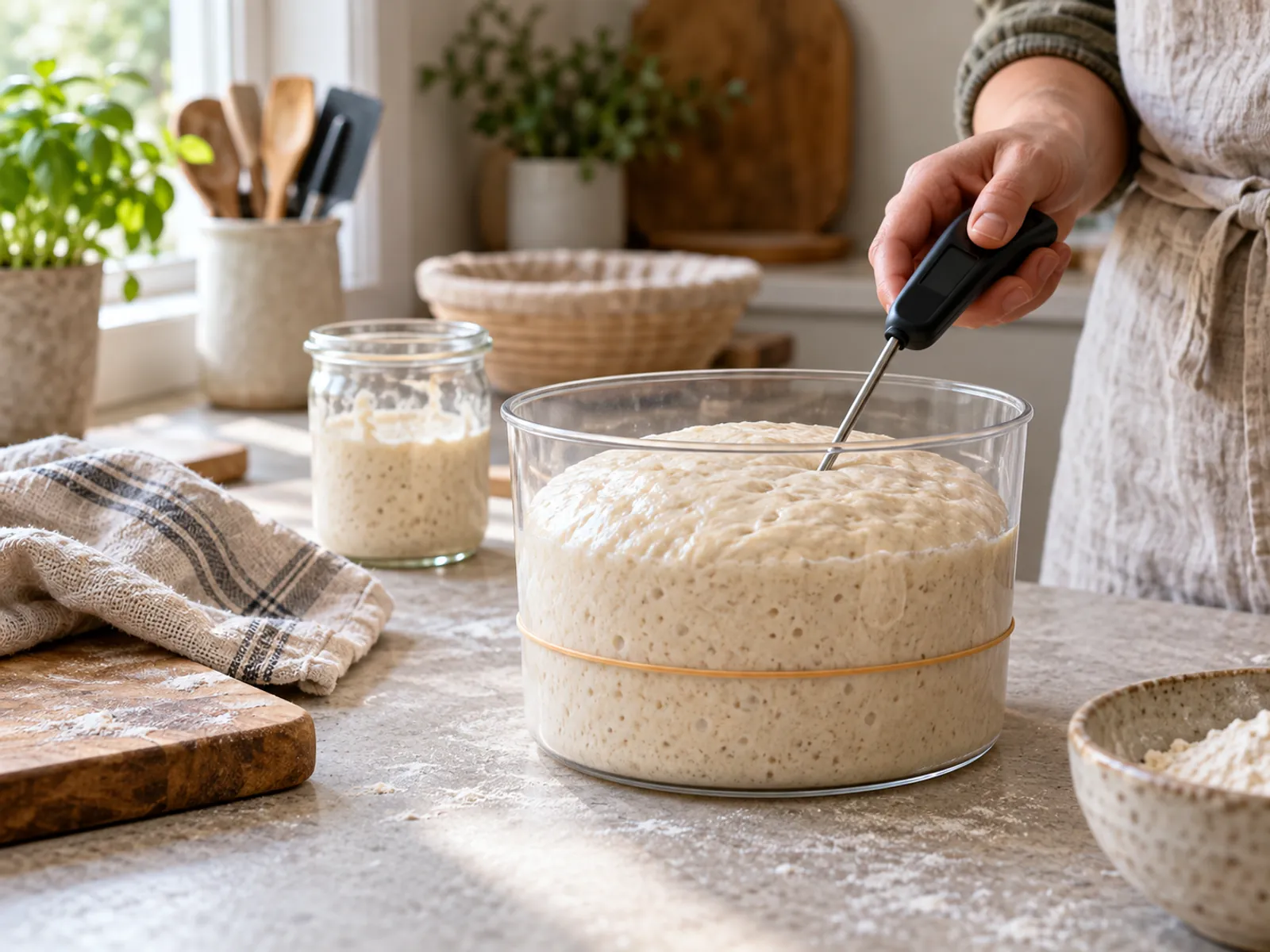
Enter dough temperature, starter %, flour blend, hydration and target rise to estimate bulk fermentation time — with fold times and a full bake schedule on the clock.
Example intervals and the stopping decision
For a familiar moderate-hydration wheat dough, check it after roughly 30 minutes, then consider another set after a similar rest. Three early checks can be a useful observation plan. They are not a requirement to perform three sets regardless of how the dough behaves.
Stop when the mass holds a gentle mound, lifts cohesively and shows enough strength for its formula. Continue bulk undisturbed as gas accumulates. A small, quick-fermenting dough may need fewer sets than a large, slowly developing wet dough. If bulk is almost complete, an extra aggressive fold may cost the gas and structure you wanted to preserve.
Schedule strength development early rather than spreading mandatory folds over the entire predicted bulk. The bulk calculator provides planning checks; the dough determines which actions are still useful.
Free Sourdough Baking Playbook (printable PDF)
A printable PDF companion for the sourdough calculators and guides.
Read the problem before adding another fold
| Symptom | First checks | Useful adjustment |
|---|---|---|
| Tears immediately | Was it rested? Is it cold or too dry? | Rest, reduce the movement, reassess hydration next bake |
| Spreads but remains elastic | Flour strength, hydration, tub width | Gentle early fold; use an appropriately sized container |
| Flows and loses cohesion late in bulk | Fermentation progress and temperature | Avoid endless corrective folds; consider a pan bake |
| Dense crumb despite many folds | Starter activity and fermentation | Check the fermentation record, not just fold count |
Folds do not reverse advanced gluten breakdown. For a late, sticky dough see overproofing. For dough preparation see autolyse; for final tension see shaping.
Demonstrations and reference
King Arthur’s folding explanation describes the purpose and types of folds. Its mix-and-fold discussion provides a baker’s view of choosing methods as dough develops. Watch hand placement and the dough’s response rather than copying the speed of an experienced baker.
The illustration compares the grips. The written sequences explain when to lift, fold and stop.
Watch a coil fold
The Bread Code demonstration below shows the hand movement in context. Compare the dough’s resistance and support with your own; copy the principle rather than forcing your dough to match the presenter’s timing.
Open the video demonstration
Watch on YouTube if the embedded player is unavailable.