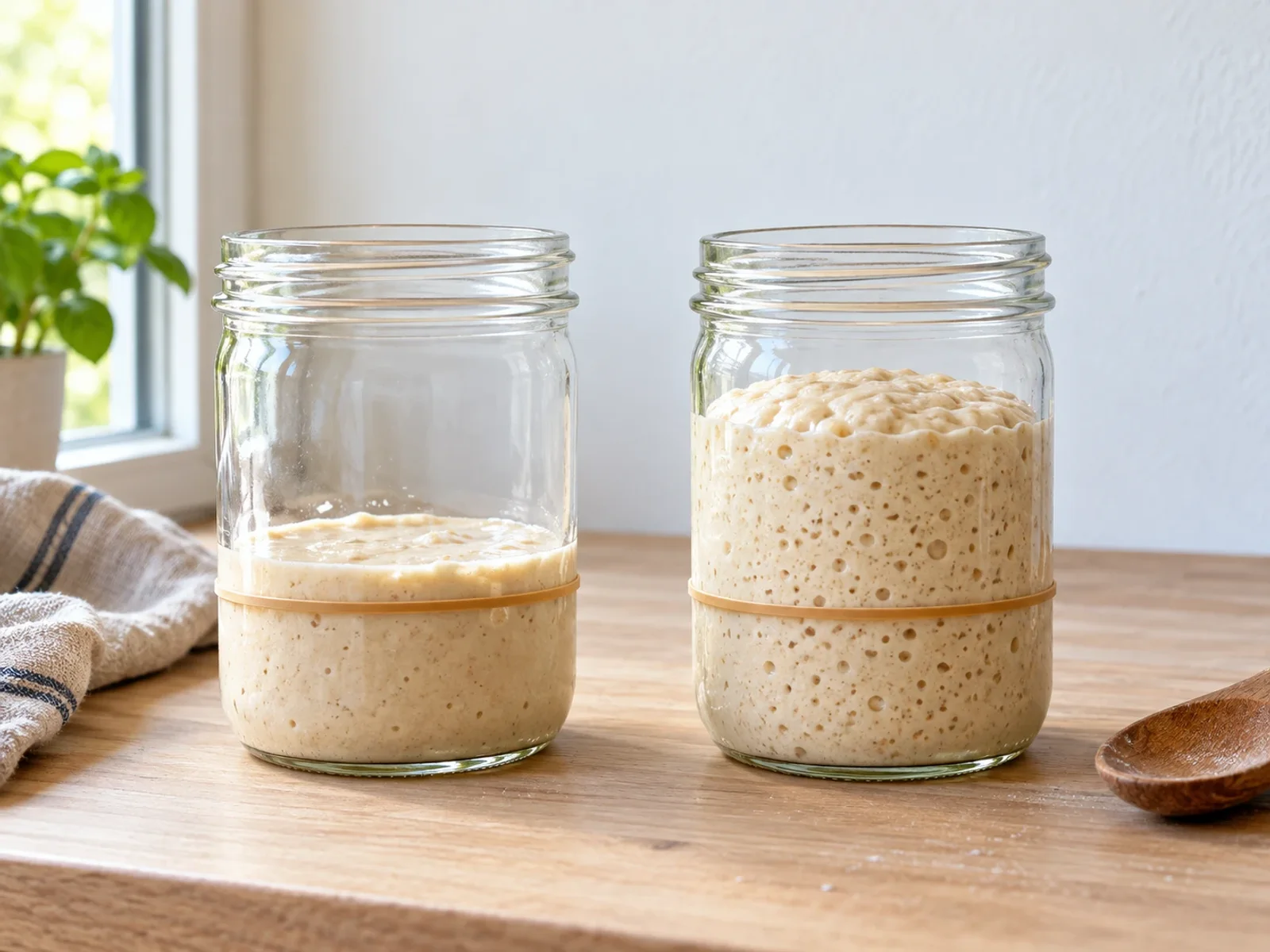
Sourdough Starter Manager
Log each feed, watch your starter rise in a 3D jar and record when it peaks. After two feeds it learns your own starter’s timing, so you know when it will be ready.
- See the rise against the clock
- Learns your starter’s peak time
- Free, no account needed
Know which rest you are using
Bakers sometimes call every rest after mixing an autolyse. For planning, the ingredient distinction matters. A flour-and-water rest hydrates the flour before inoculation. A rest that includes starter is fermenting already, whether you call it fermentolyse or simply the first stage of mixing.
Salt is normally held back in the classic flour-and-water version. A recipe may deliberately include it for a different handling goal; follow that recipe’s sequence and name the process clearly in your notes. The important point is to understand what has been mixed, not to argue about a label while a dough keeps fermenting.
Choose a workflow
| Workflow | Ingredients in the initial rest | Why choose it |
|---|---|---|
| Autolyse | Flour and water | Hydrate flour before adding starter; useful when later mixing is manageable |
| Fermentolyse | Flour, water and starter | Simpler incorporation with fermentation time already running |
| Full mix and rest | All planned dough ingredients | Convenient, repeatable workflow when no separate rest is needed |
An autolyse does not guarantee a more open crumb. It changes hydration and handling, and it must fit the rest of the process. Strong dough with good fermentation can make excellent bread without a separate flour-only stage.
How to run a modest first trial
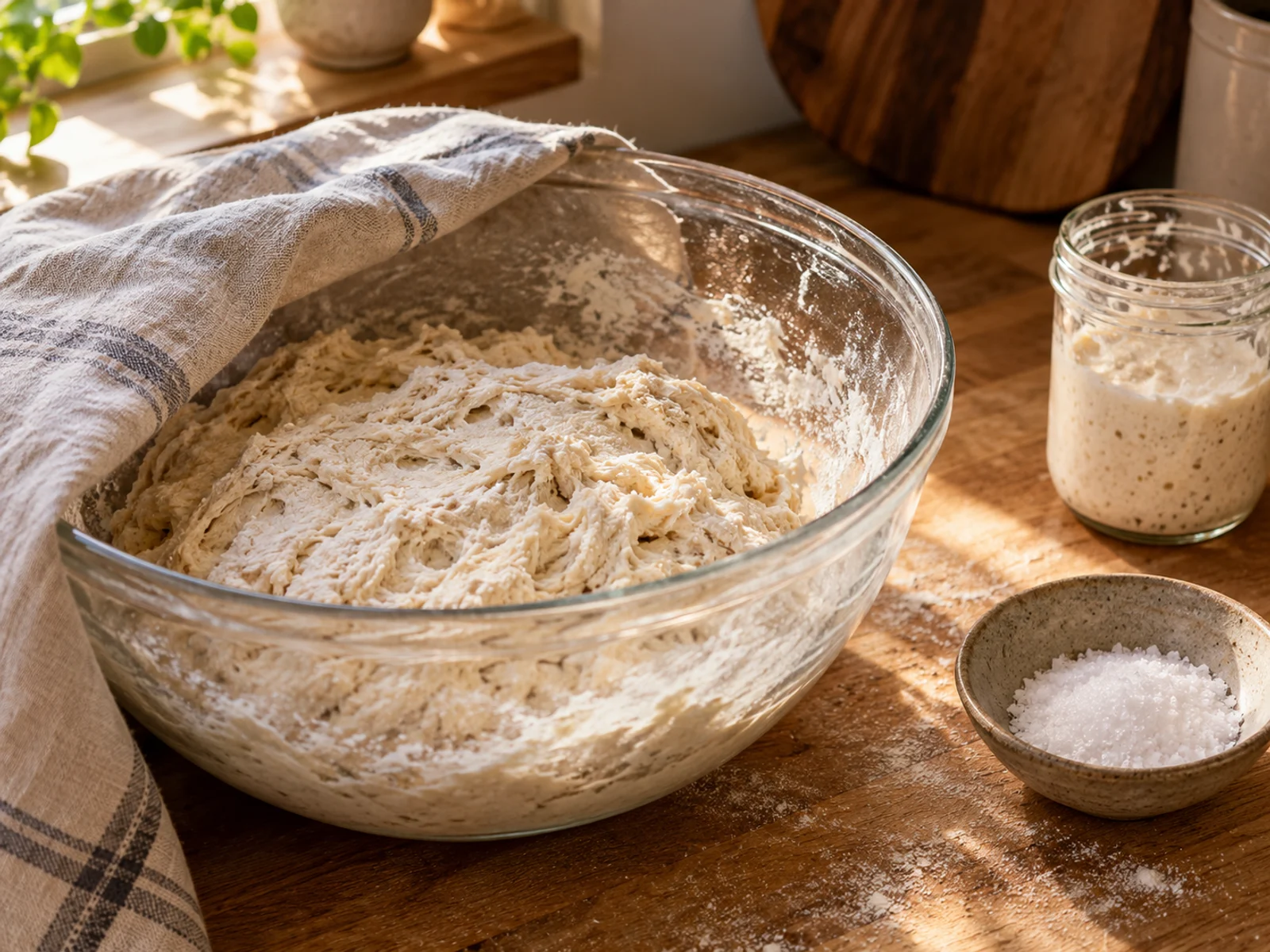
Weigh the flour and most of the recipe water. Mix until there are no dry pockets, cover and rest for around 20–30 minutes as a first experiment with an unfamiliar white flour. Reserve enough water to help incorporate the starter and salt if your recipe uses that approach.
After the rest, add the remaining ingredients and mix thoroughly. Check the bottom of the bowl for unincorporated flour or salt. If the dough has become hard to mix, pause briefly rather than tearing it apart continuously. Record the rest duration, flour, temperature and whether incorporation was actually easier.
Compare the finished dough with your usual full-mix method before adopting a longer rest. A workflow that saves a little mixing but adds an awkward extra stage may not suit a small home bake.
Related calculator
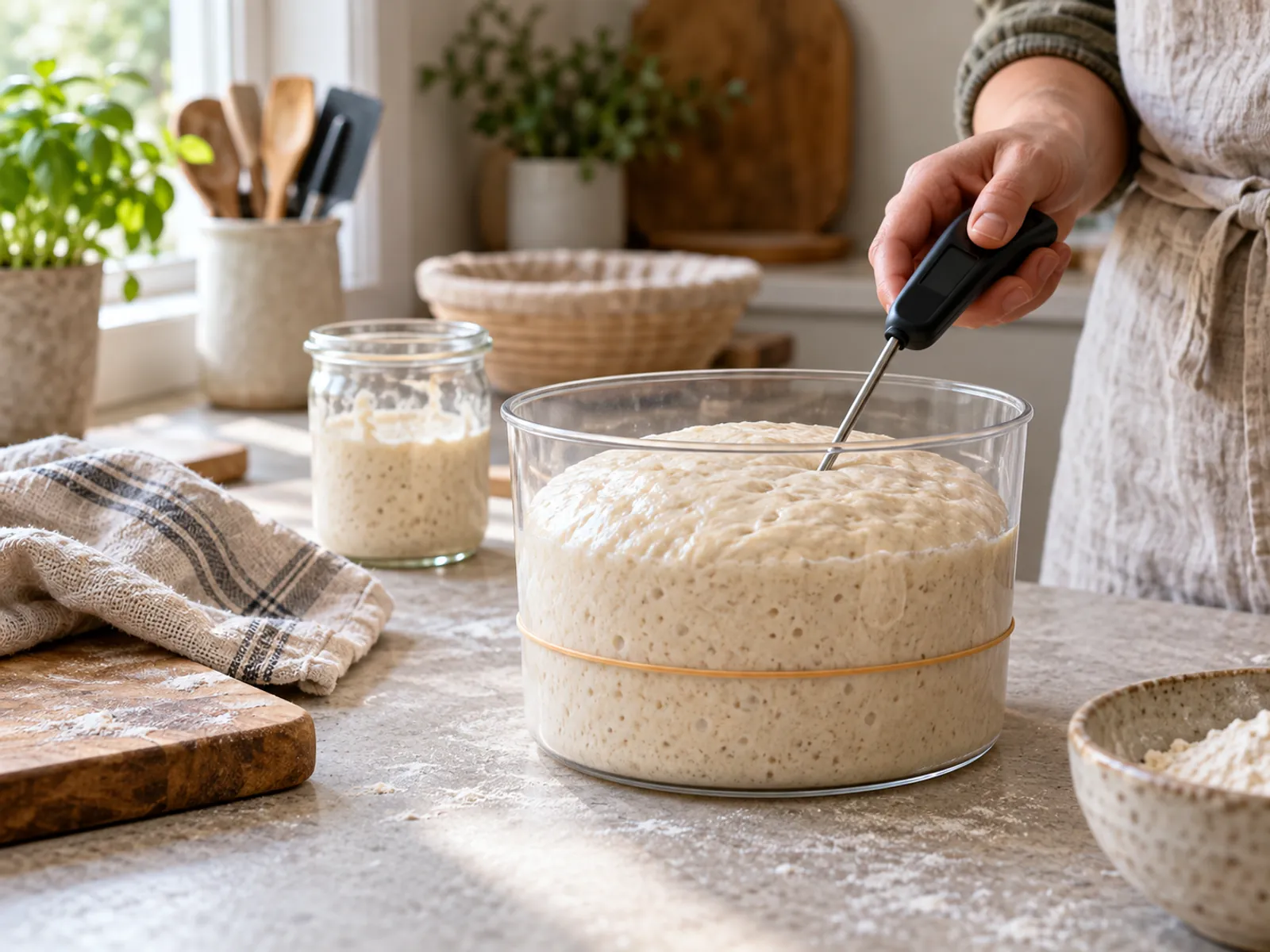
Bulk Fermentation Time Calculator
Enter dough temperature, starter %, flour blend, hydration and target rise to estimate bulk fermentation time — with fold times and a full bake schedule on the clock.
Flour changes what a rest can do
Bran-containing flour continues absorbing water after the first mix, so a rest can make the dough feel different without any extra water. Finely milled strong white flour behaves differently from coarse whole grain, and a weak flour may become too slack if left warm for a long time.
Avoid automatically extending a short white-flour autolyse to several hours when you change flour. Try a shorter controlled rest first and inspect extensibility. If you use much rye, choose a rye-specific method rather than expecting a wheat windowpane or wheat-style strengthening routine.
Use the flour comparison tool to understand labels, then look at the actual product’s protein and purpose. A national type number is not a prediction of the ideal rest duration.
Free Sourdough Baking Playbook (printable PDF)
A printable PDF companion for the sourdough calculators and guides.
When does the fermentation clock start?
For practical scheduling, count bulk from the point starter is incorporated, including an ensuing fermentolyse. Do not add an hour with starter and then restart the timer after salt as though nothing happened. During a flour-and-water-only autolyse, the sourdough inoculation has not yet been added, but hydration and enzyme activity are still progressing.
The bulk calculator estimates fermentation from mixing with starter. Add an optional flour-only rest before that start time in your own schedule. Its estimate is not a model of every possible unsalted rest, mixing regime or dough temperature history.
A slower main fermentation can provide more development time without a separate autolyse. That is a method choice, not permission to leave an inoculated dough indefinitely at a warm temperature.
When the rest makes things worse
If the dough is tearing, check whether it needs more hydration time or a gentler pull. If it becomes flowing and weak during the rest, shorten the rest next bake and check flour suitability and temperature. More time is not the answer to every handling problem.
If starter and salt will not incorporate evenly, reserve water or choose a full-mix/fermentolyse workflow next time. If a very wet autolyse seems easier initially but is impossible to shape later, review final hydration and fermentation together.
Do not change flour, hydration, rest duration and inoculation in the same comparison bake. Keep a small record and change one variable so you can identify what improved the result. Continue with folding and shaping once the dough has developed appropriate strength.
Further reading
King Arthur’s autolyse discussion gives context for the flour-and-water rest. The Sourdough Framework describes an alternative preference for a longer main fermentation. These are different workable approaches; the choice should serve your flour, schedule and observations.