Sourdough Starter Manager
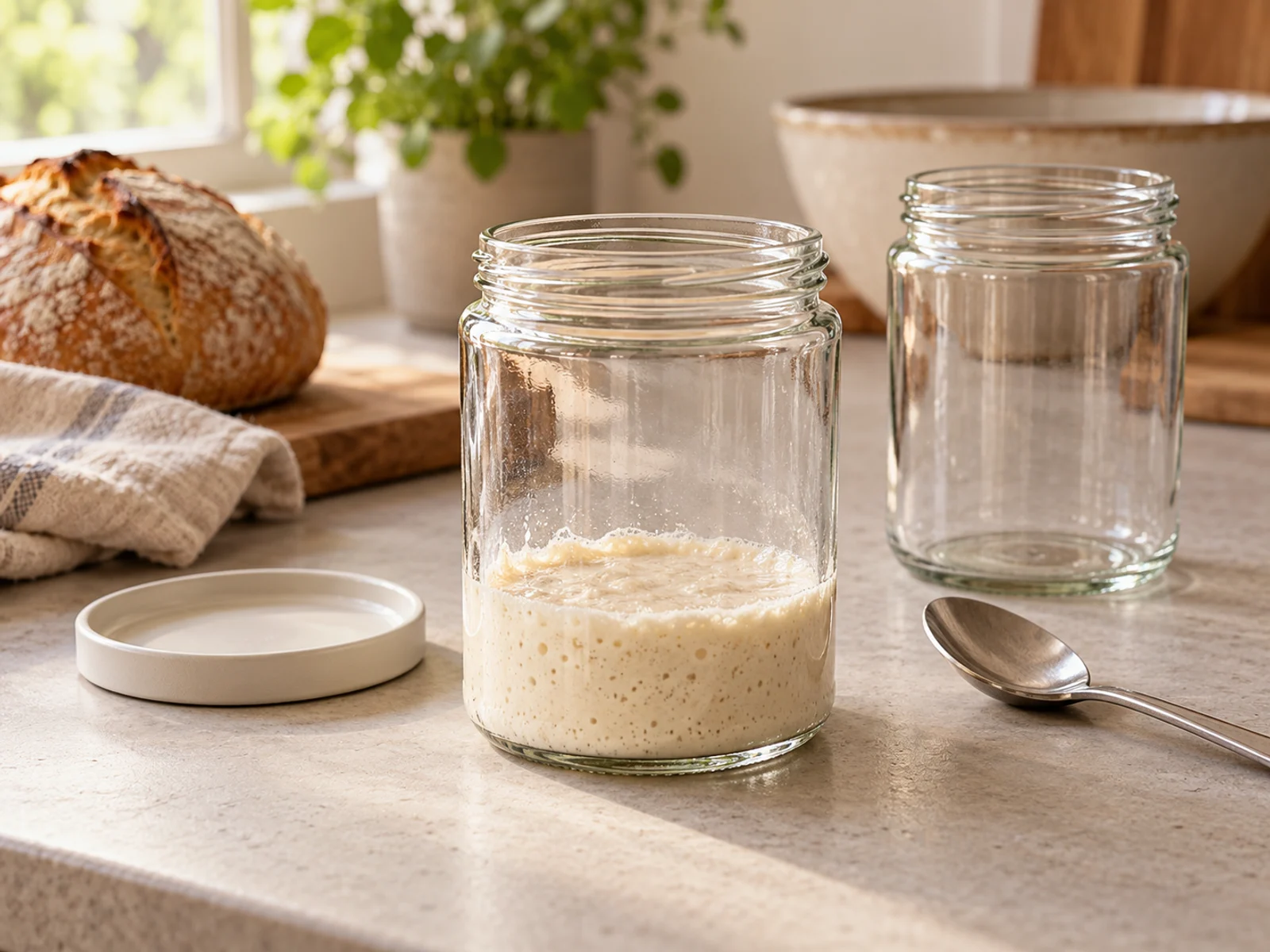
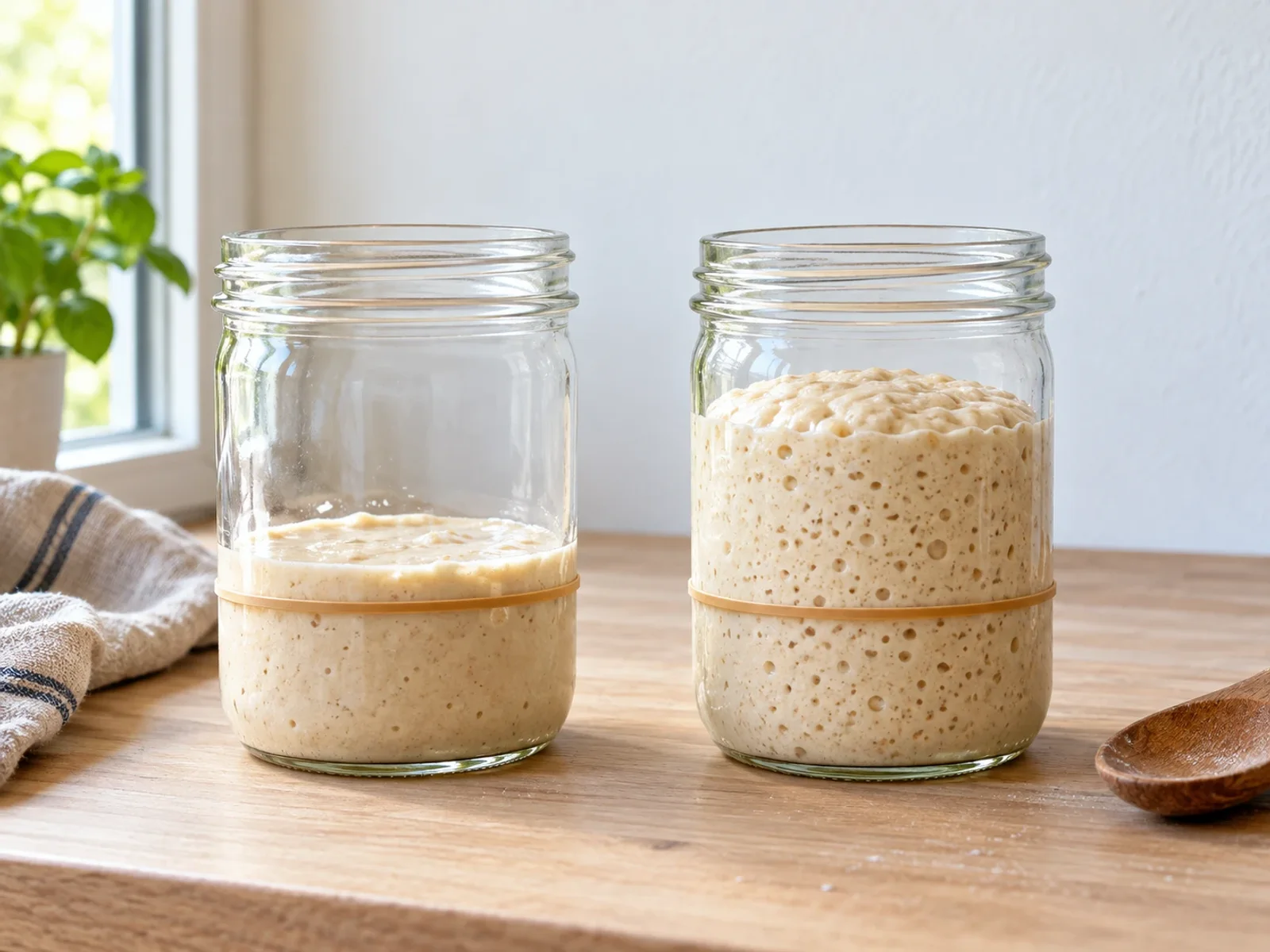
Log each feed, watch your starter rise in a 3D jar and record when it peaks. After two feeds it learns your own starter’s timing, so you know when it will be ready.
- See the rise against the clock
- Learns your starter’s peak time
- Free, no account needed
Once you can bake a plain loaf, add-ins — bakers call them inclusions — are the fastest way to make sourdough feel new every time. Cranberry-walnut, rosemary-olive, dark chocolate, cheddar-jalapeño: the base dough stays the same, and a few simple rules keep the loaf light instead of dense.
How much to add
More isn’t better. Inclusions interrupt the gluten network, so there’s a ceiling before the loaf turns heavy and won’t rise.
Start at the lower end while you learn how a given add-in behaves, then push toward 30% once you know the dough can carry it.
When to add them
Timing is the difference between an even, well-risen loaf and a torn, dense one. Let the dough build strength first, then fold the inclusions in near the end.
- 1Develop the gluten first Mix, autolyse, and do your first sets of stretch-and-folds with plain dough so the structure is strong.
- 2Add during the last fold or a lamination Introduce the inclusions in the final set of folds, or laminate them in (below) toward the end of bulk fermentation.
- 3Distribute in layers Add in stages rather than all at once so they spread evenly instead of clumping in one spot.
- 4Finish bulk gently Handle the dough more softly from here — the add-ins have already stressed the gluten.
Dry, wet & fatty add-ins
Each type of inclusion affects the dough’s water balance differently. Adjust before you’re surprised.
Related calculator
Baker's Percentage Calculator
Turn your flour weight and ingredient percentages into exact grams for water, salt, starter, fat, and sugar — and scale any recipe.
The lamination method
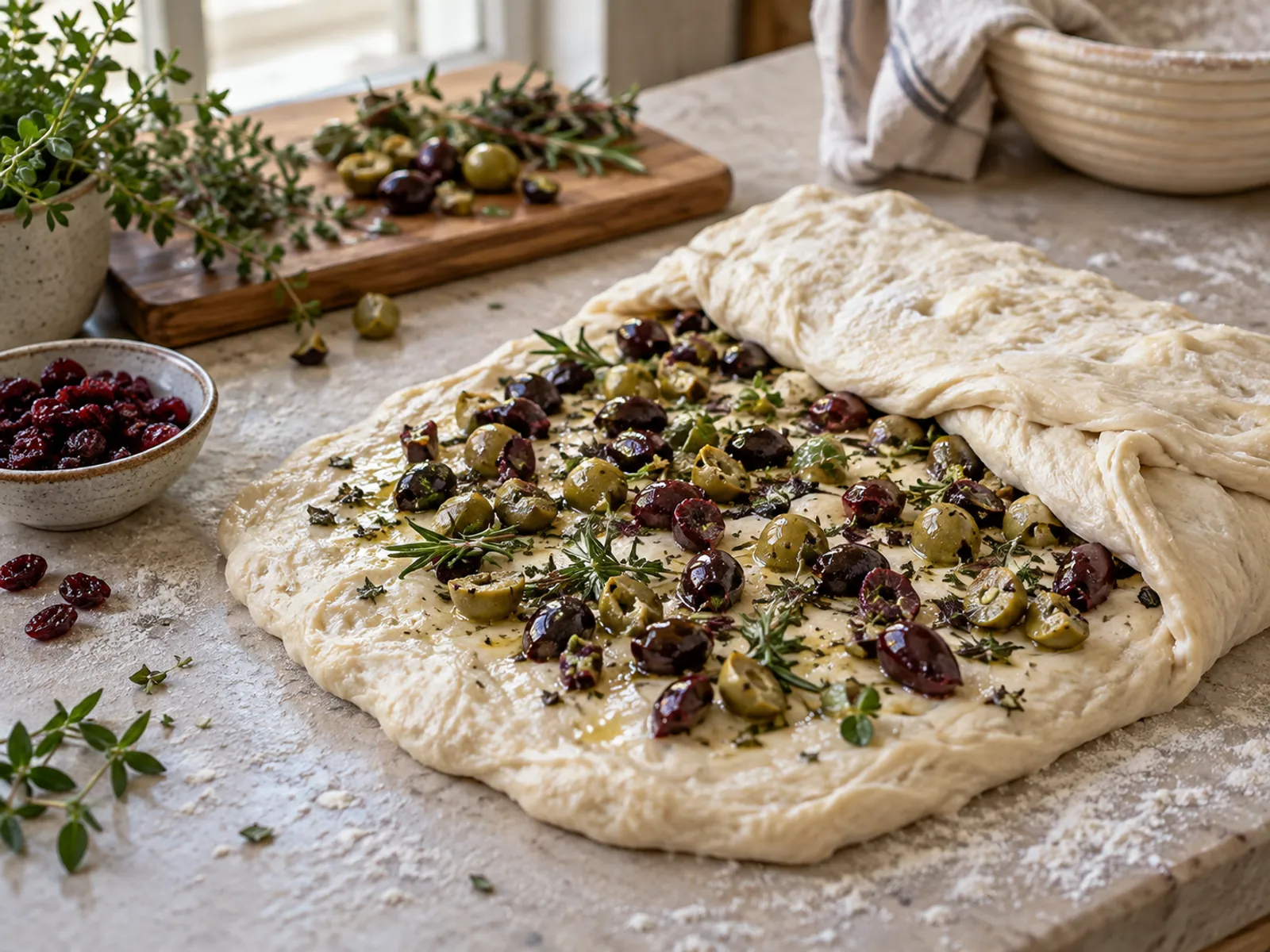
Lamination is the cleanest way to distribute inclusions with minimal tearing — and it looks dramatic.
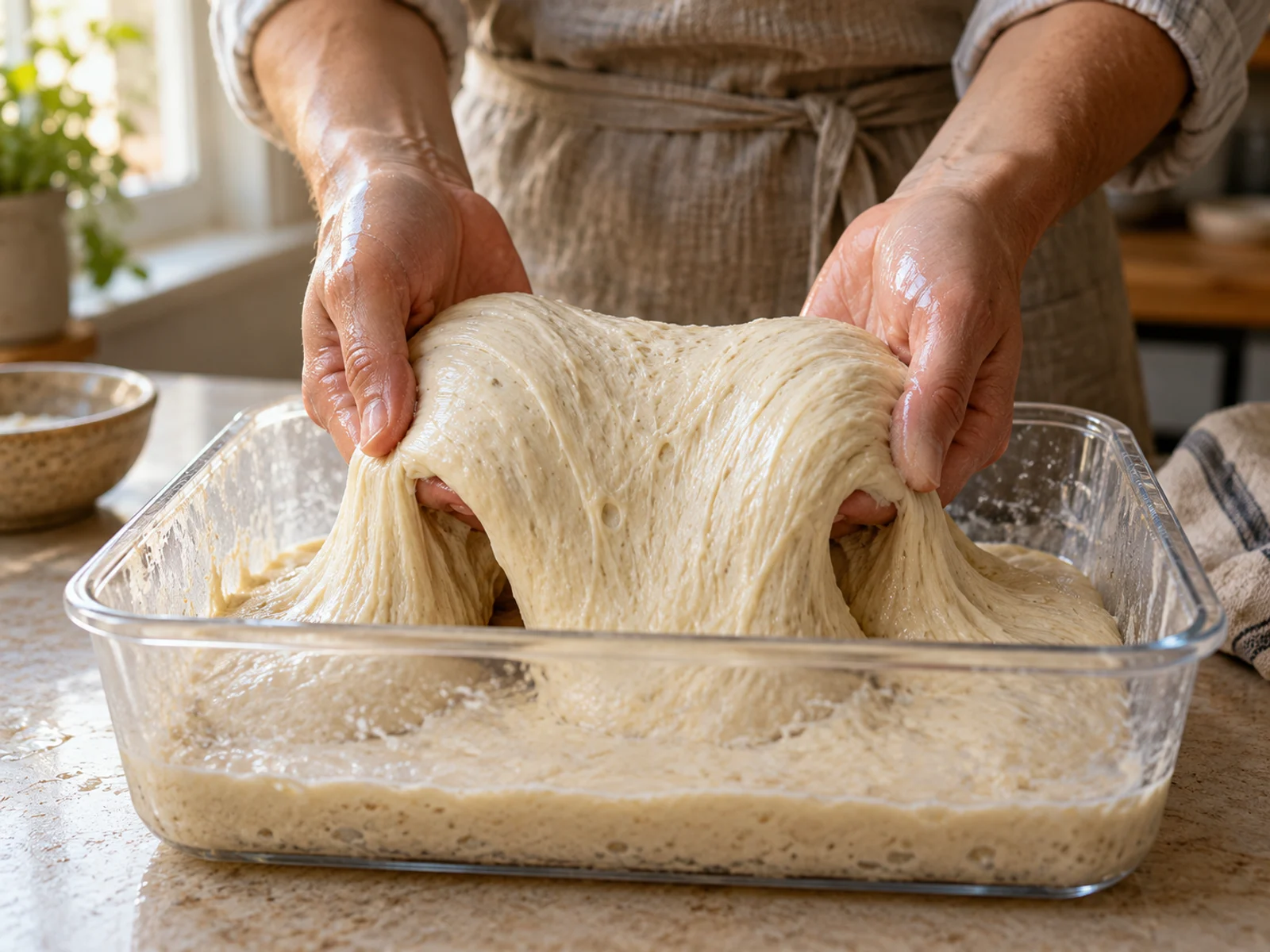
- 1Wet your surface Lightly wet the counter so the dough grips and stretches without sticking.
- 2Stretch thin Gently pull the dough out into a large, thin rectangle without tearing holes in it.
- 3Scatter the inclusions Spread your add-ins evenly across the surface, leaving a small border.
- 4Fold it up Fold the sheet into thirds, then roll or fold again into a package. The inclusions are now in even layers.
- 5Return to bulk Rest the dough and finish bulk fermentation before shaping as normal.
Free Sourdough Baking Playbook (printable PDF)
A printable PDF companion for the sourdough calculators and guides.
Three combinations to start with
Troubleshooting
Watch for
- Dense loaf → too many inclusions, or added too early; cut the amount and add late
- Dry crumb → dried fruit stole moisture; soak it first or add water
- Wet, slack dough → olives or wet add-ins added water; pat dry and lower hydration
- Torn dough → hard inclusions too big, or handled roughly; chop smaller and laminate
- Under-risen sweet loaf → sugar slowed the yeast; give it more proofing time
Mix-in weights for a 500g-flour loaf
These are conservative starting amounts for a familiar wheat loaf, not hard limits. If combining several ingredients, keep the total burden in mind rather than taking the maximum from every row.
| Mix-in | Starting % of flour | For 500g flour | Preparation |
|---|---|---|---|
| Toasted nuts | 10–15% | 50–75g | Cool fully; chop large pieces |
| Drained olives | 10–20% | 50–100g | Pat dry; consider their salt |
| Dried fruit | 10–20% | 50–100g | Soak if needed; drain before weighing for a repeatable method |
| Cheese | 10–20% | 50–100g | Use manageable pieces; avoid overloading |
| Seeds | 5–10% | 25–50g | Some need soaking; account for retained water |
| Fresh herbs | 0.5–1% | 2.5–5g | Chop and distribute evenly |
For example, 50g walnuts plus 75g drained cranberries is 25% combined inclusions. Weigh each addition and record whether fruit weight is before or after soaking. That small detail makes the next loaf much easier to reproduce.
Introduce additions after initial structure develops, during a suitable early/middle fold or a deliberate lamination. Do not wait until an almost-finished bulk and then aggressively flatten the gas out. Salt, sugar, fats and moisture in additions can change handling and fermentation, but “all sweet additions need exactly longer” is too simple. See baker’s percentage context and use observations.