
Fermentation recipes
Choose something to make, then use its guide and matching calculator to plan your batch.
- recipe guides
- 108
- topics
- 13
- to read
- Free
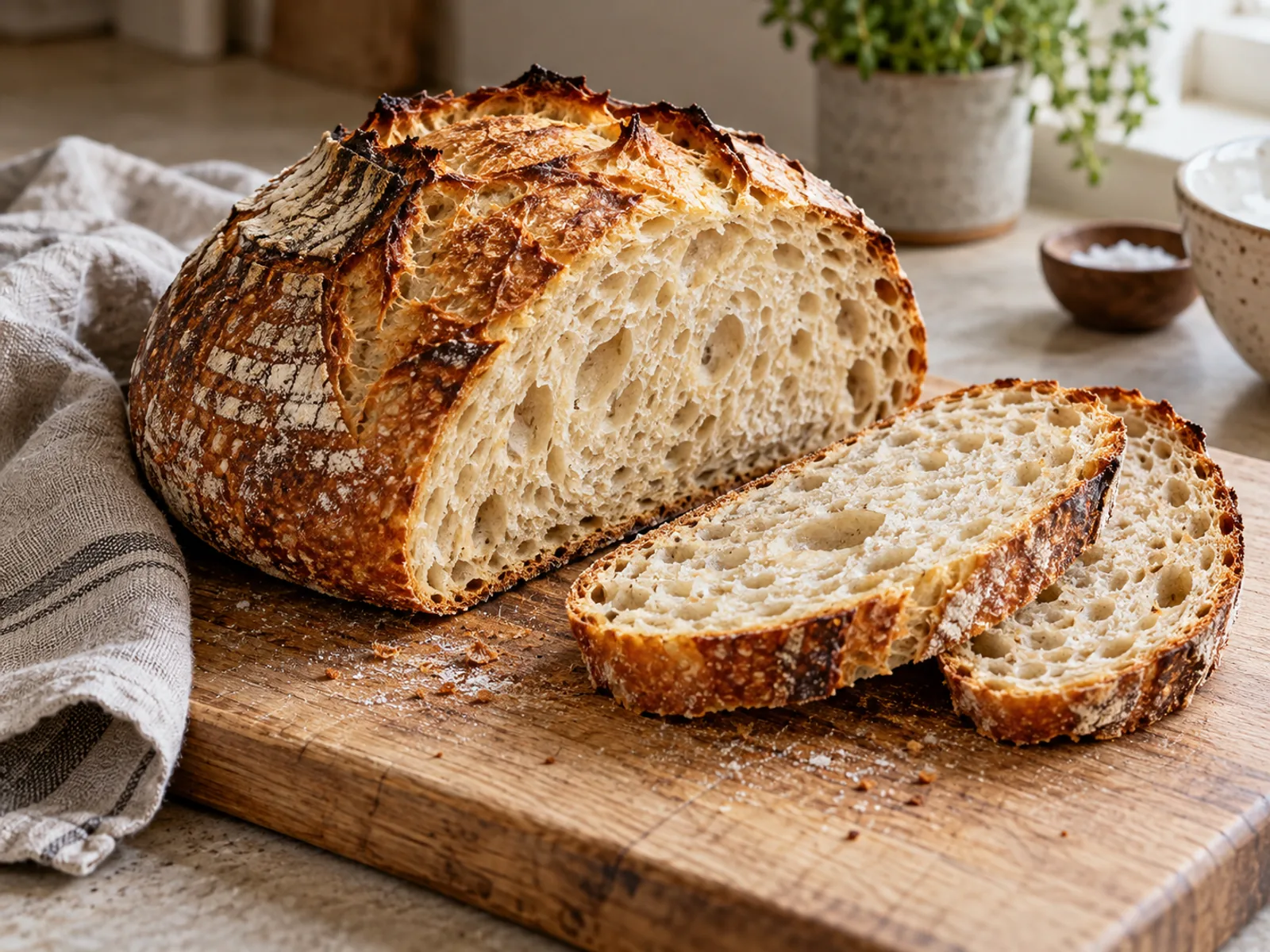
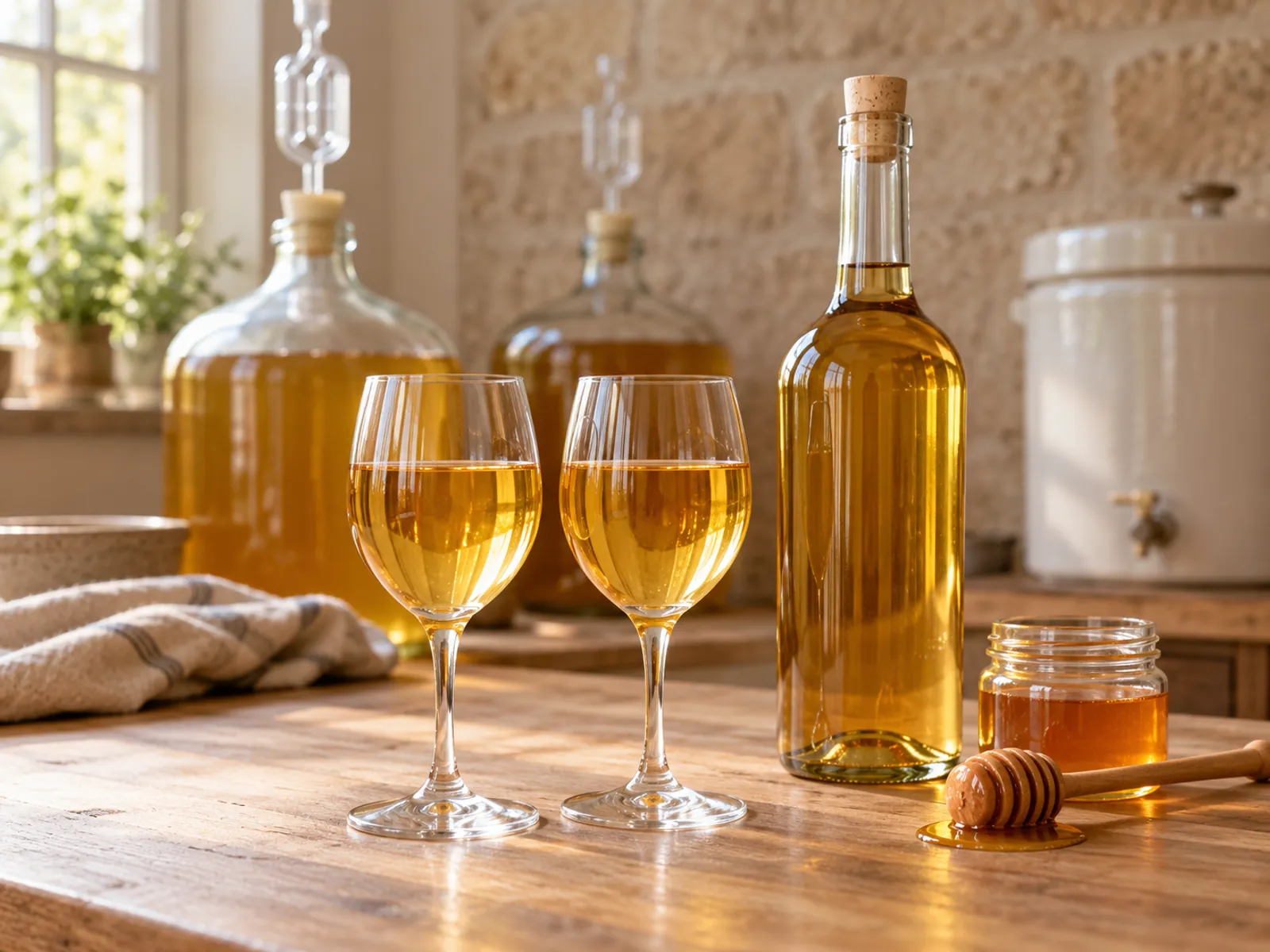
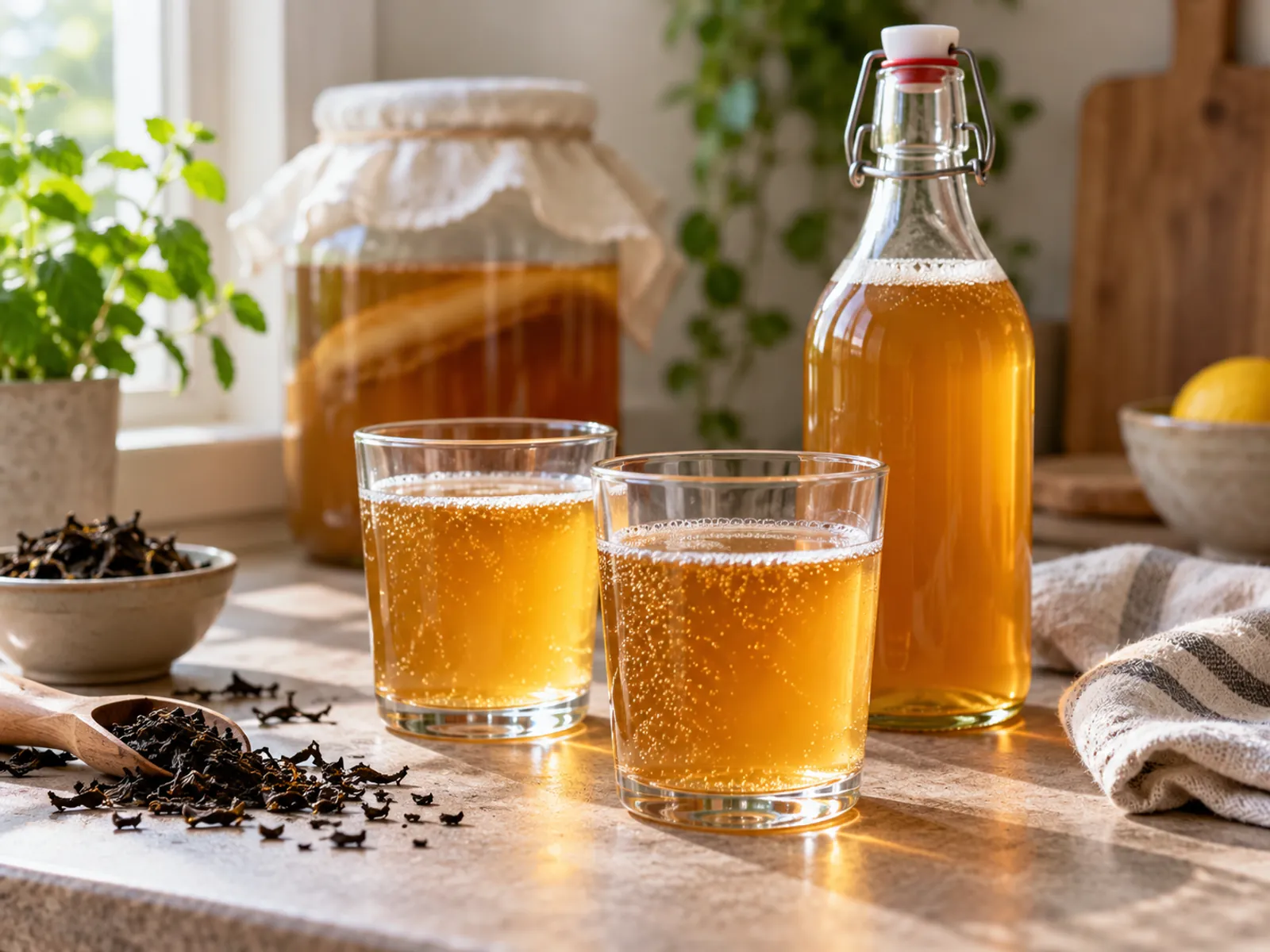
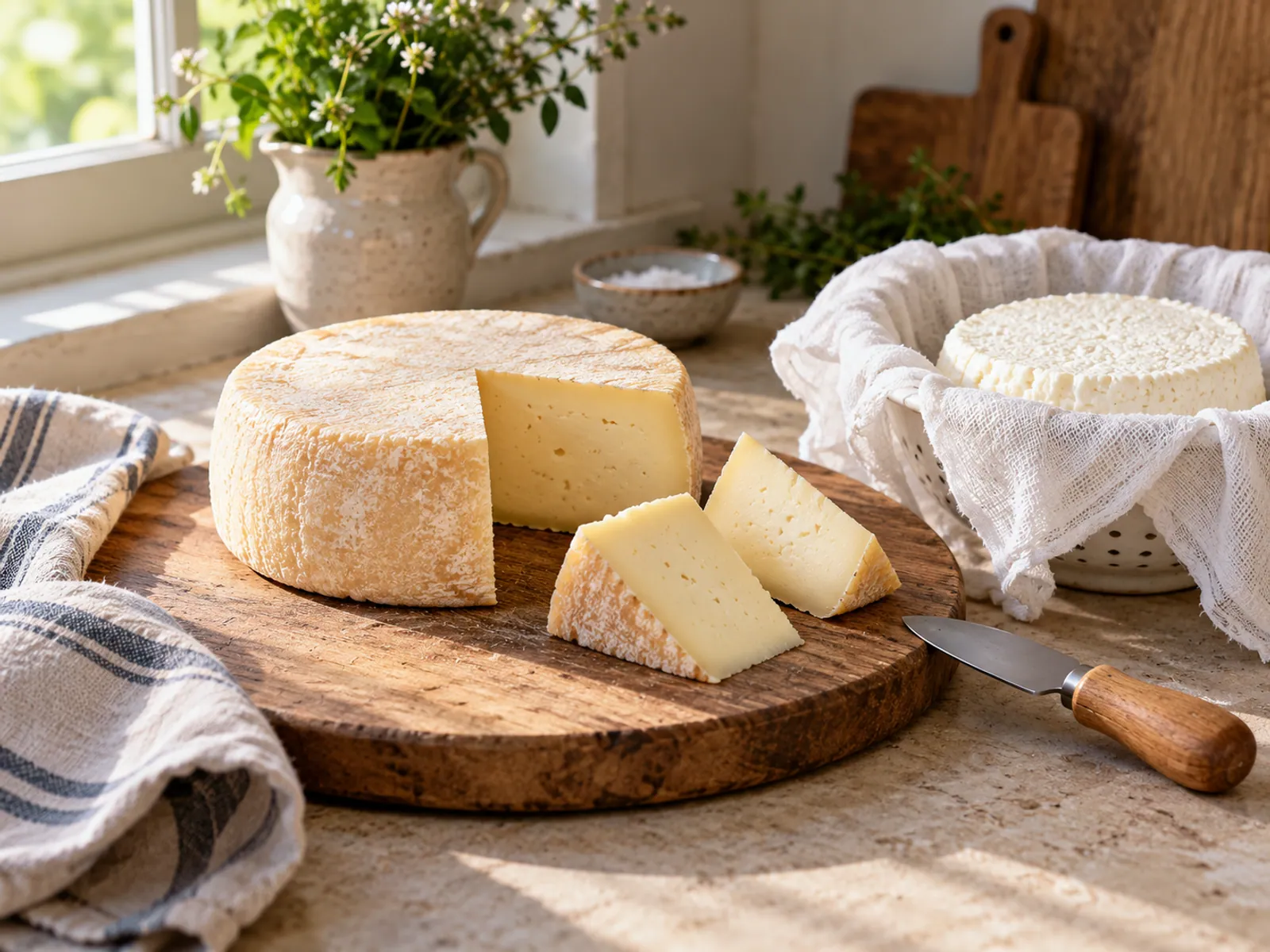
New here? Start with one of these
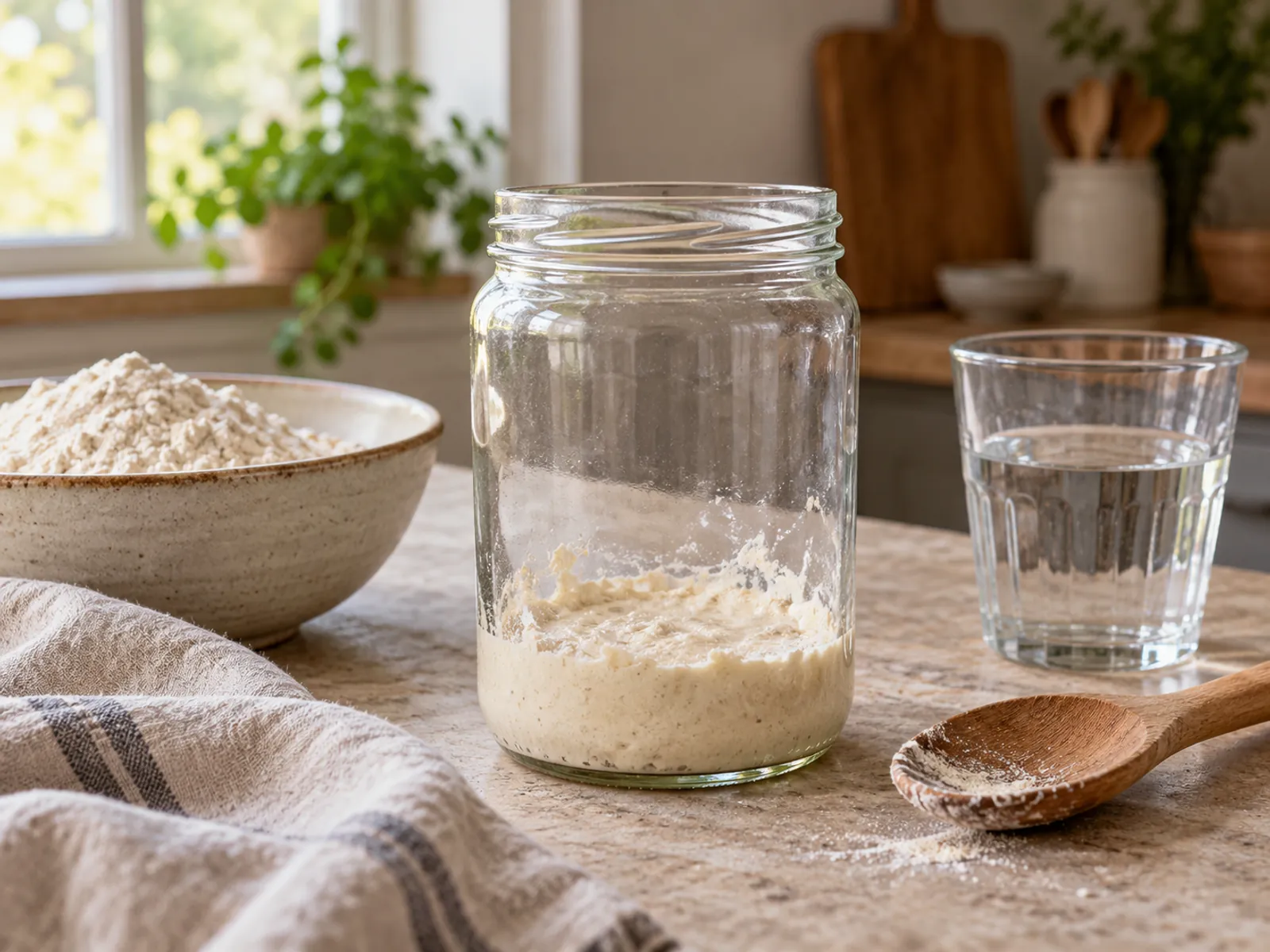
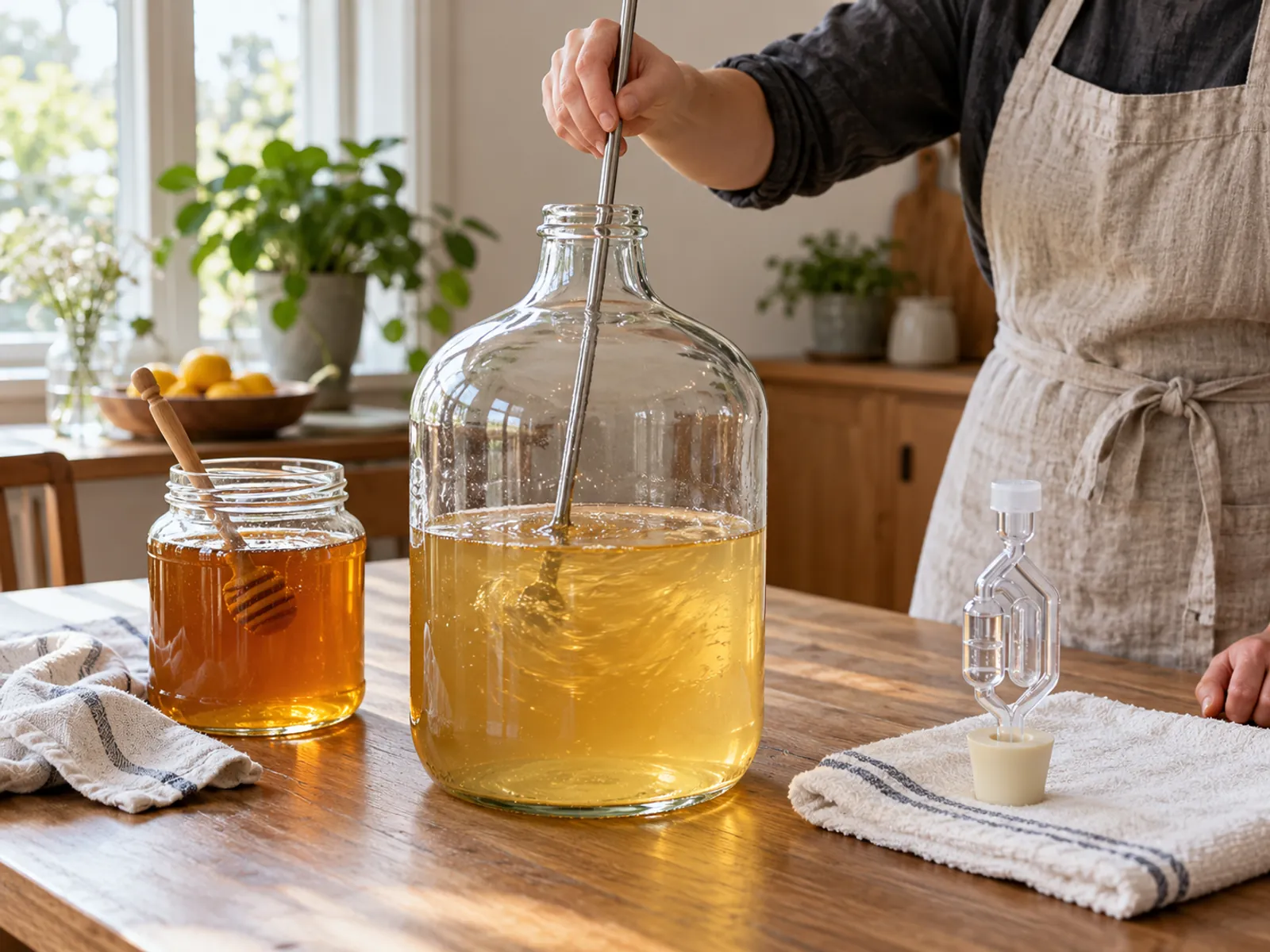
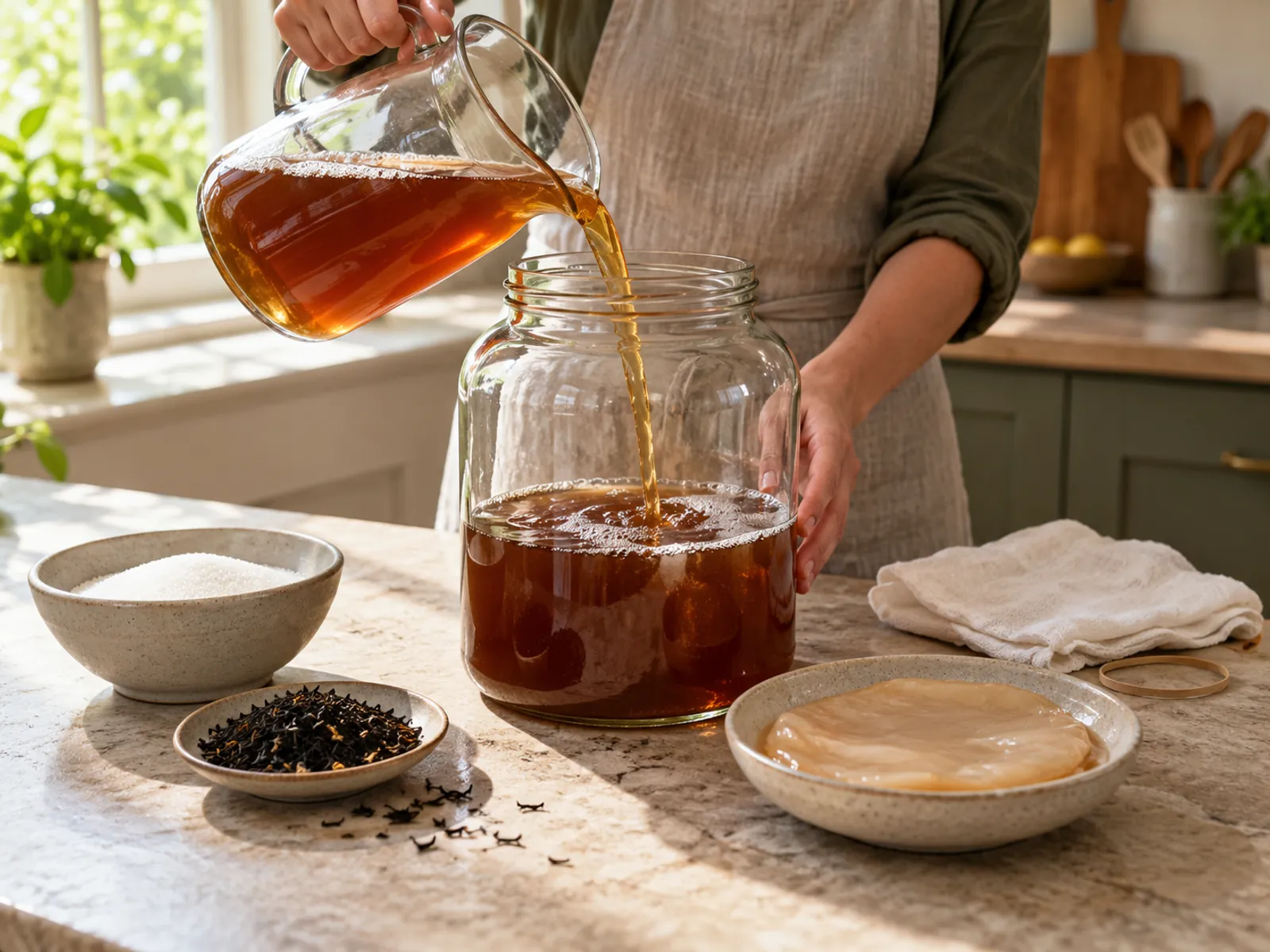
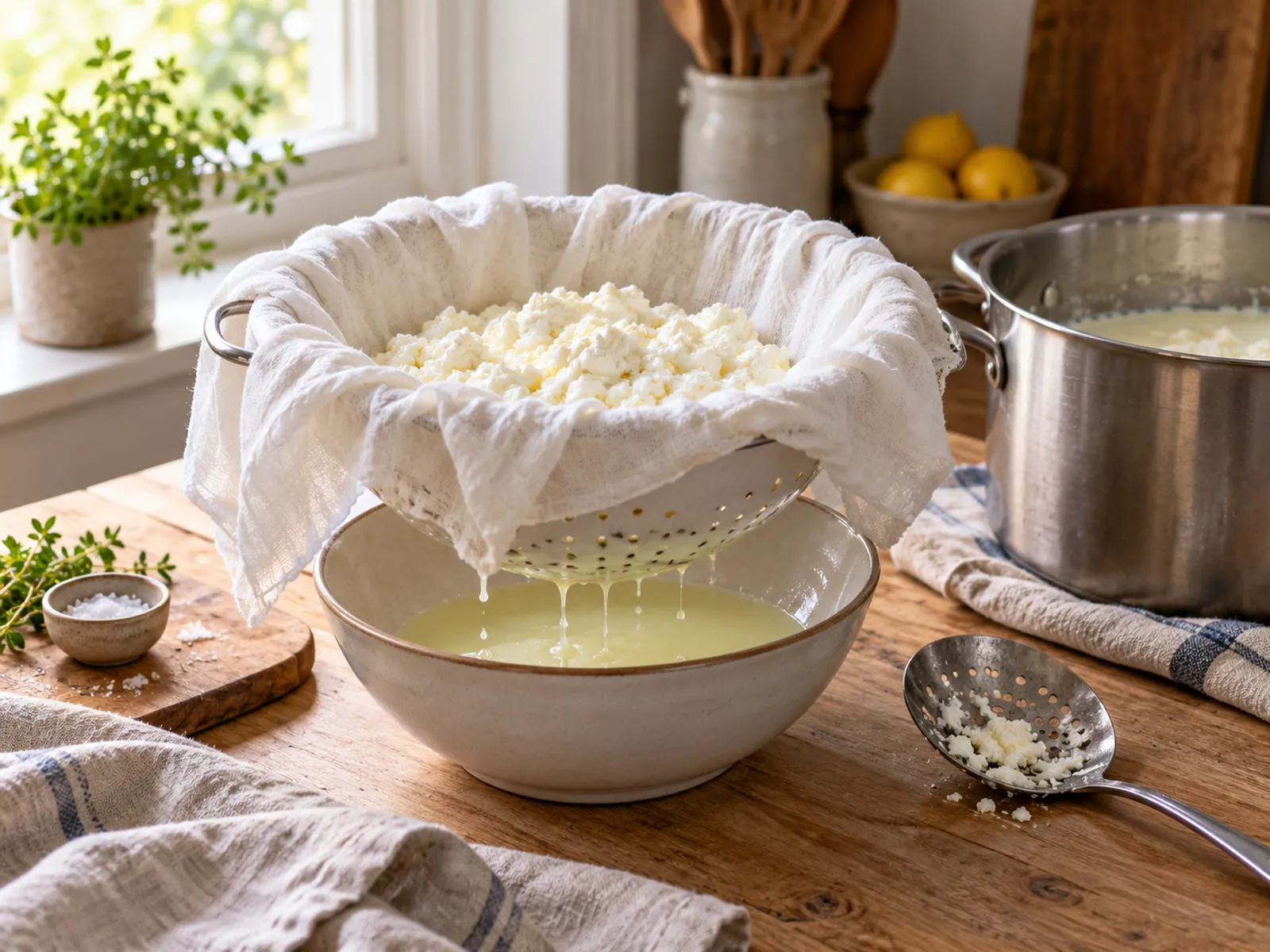
108 guides
Sourdough
17 recipe guides
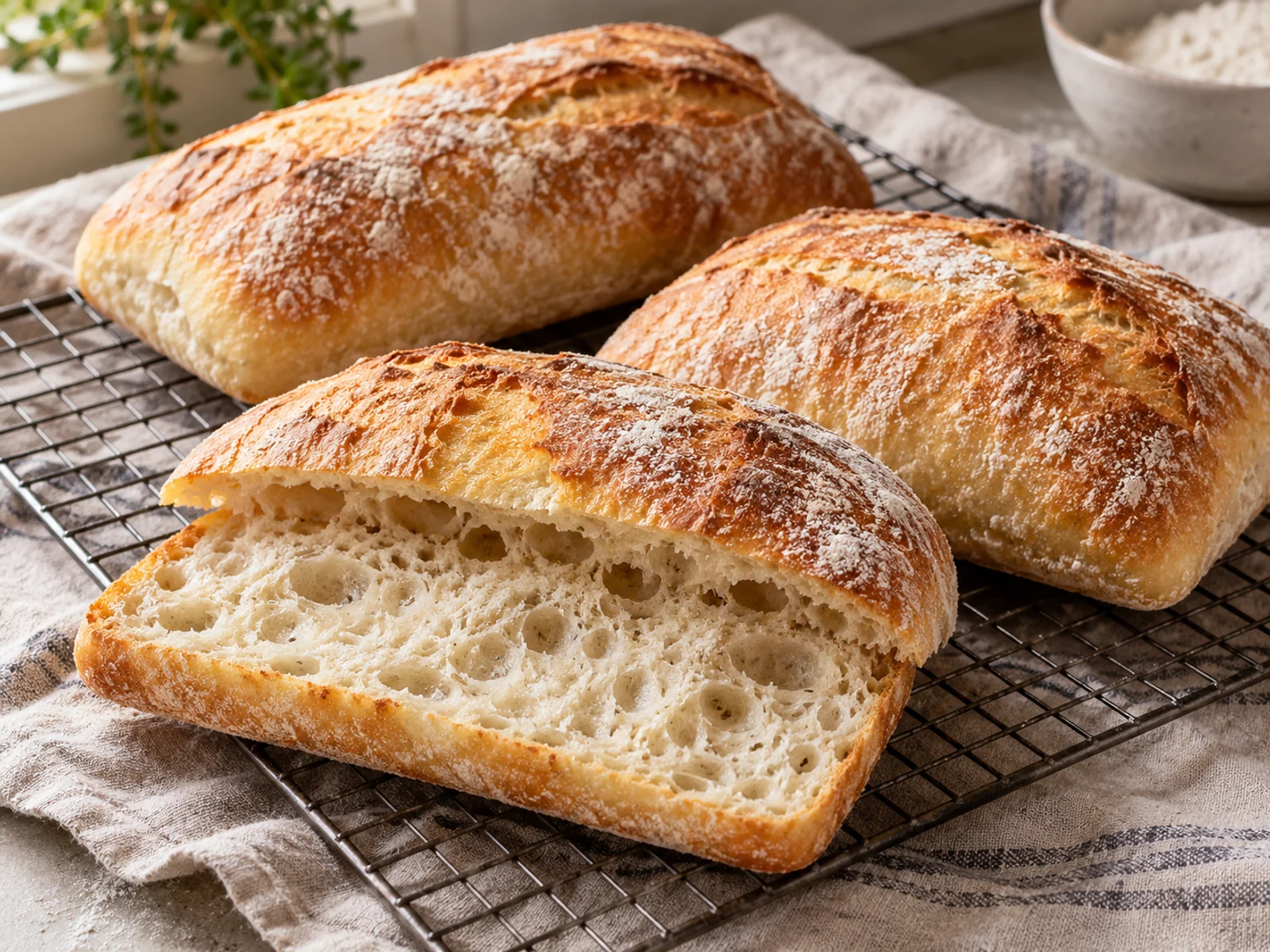
- Sourdough Ciabatta: Wet Dough, Gentle Division & Crisp Rolls Sourdough · Make six small naturally leavened ciabatta rolls from a lean 81.8%-hydration dough. Strong flour, early strengthening and gentle division matter more than an exact clock time.
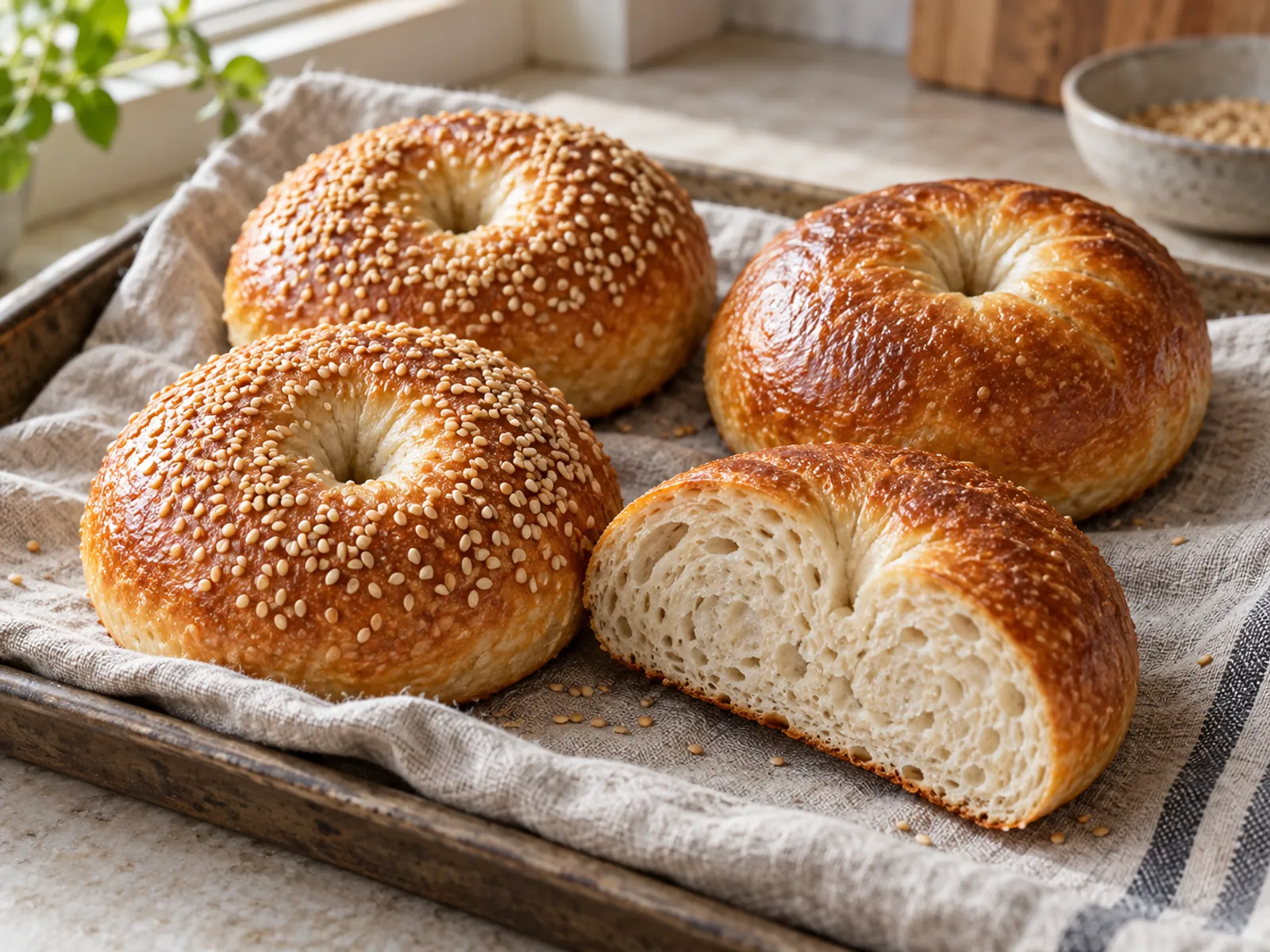
- Sourdough Bagels — Chewy, Boiled & Baked Sourdough · How to make sourdough bagels at home — a stiff, low-hydration dough, boiled in malt water and baked until chewy and glossy. Overnight cold proof for the best flavour.
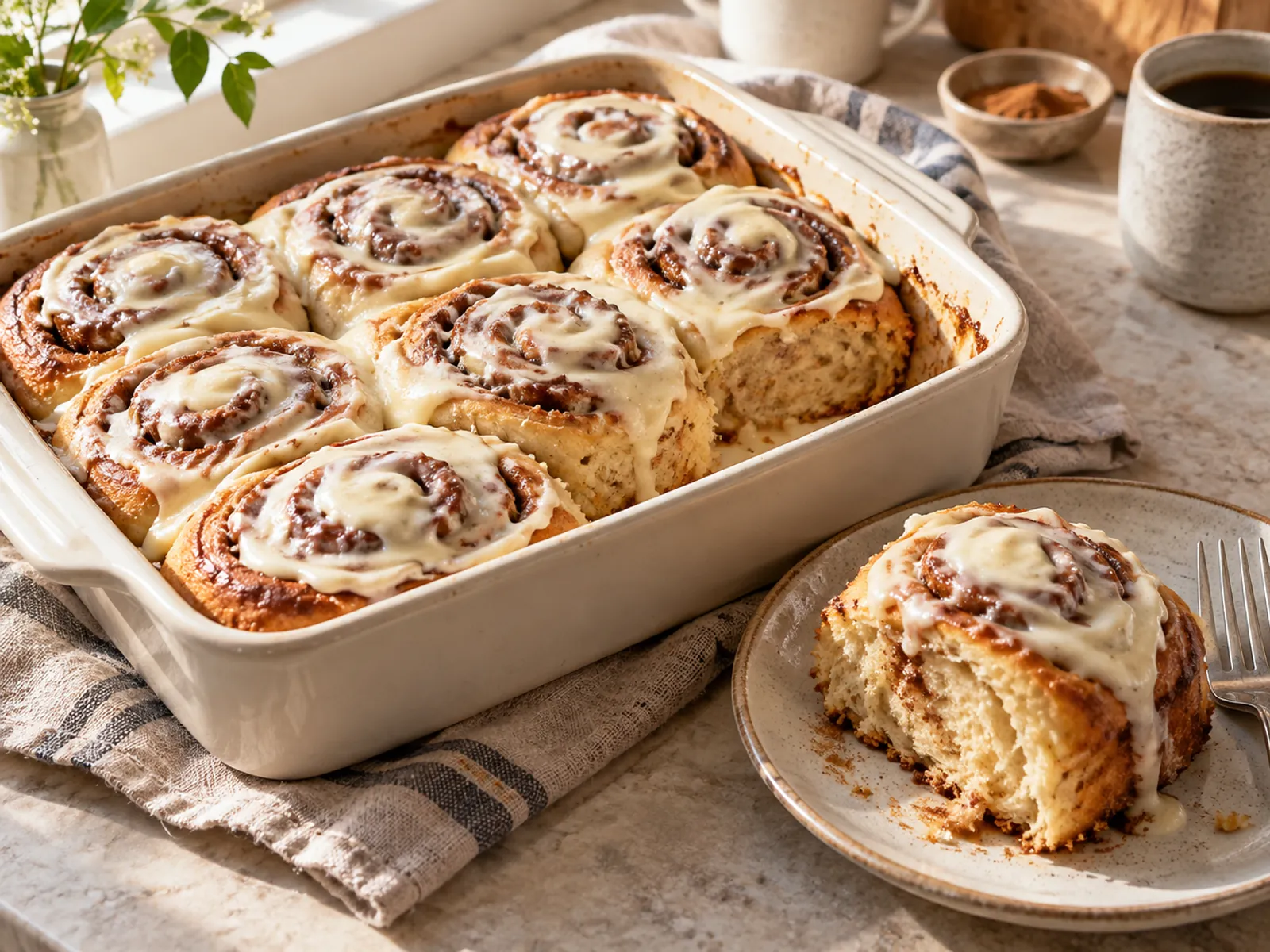
- Sourdough Cinnamon Rolls — Soft, Fluffy & Tangy Sourdough · The best sourdough cinnamon rolls recipe — soft, enriched dough with a brown sugar and cinnamon filling, topped with cream cheese frosting. Make overnight or same-day.
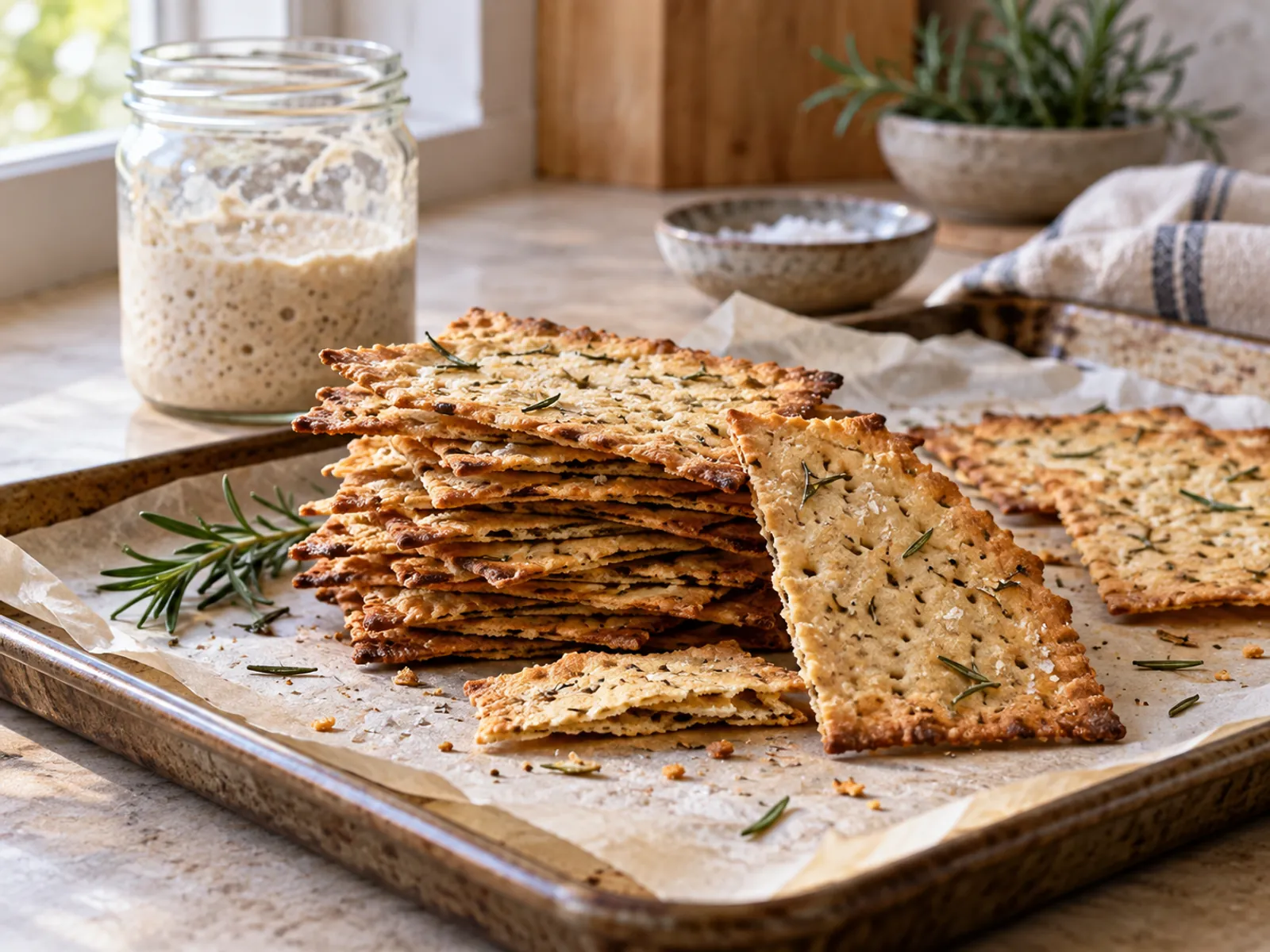
- Sourdough Crackers — Thin, Crispy & Easy Sourdough · How to make sourdough crackers from discard or active starter — thin, crispy, and endlessly customisable. Ready in 30 minutes with 5 ingredients.
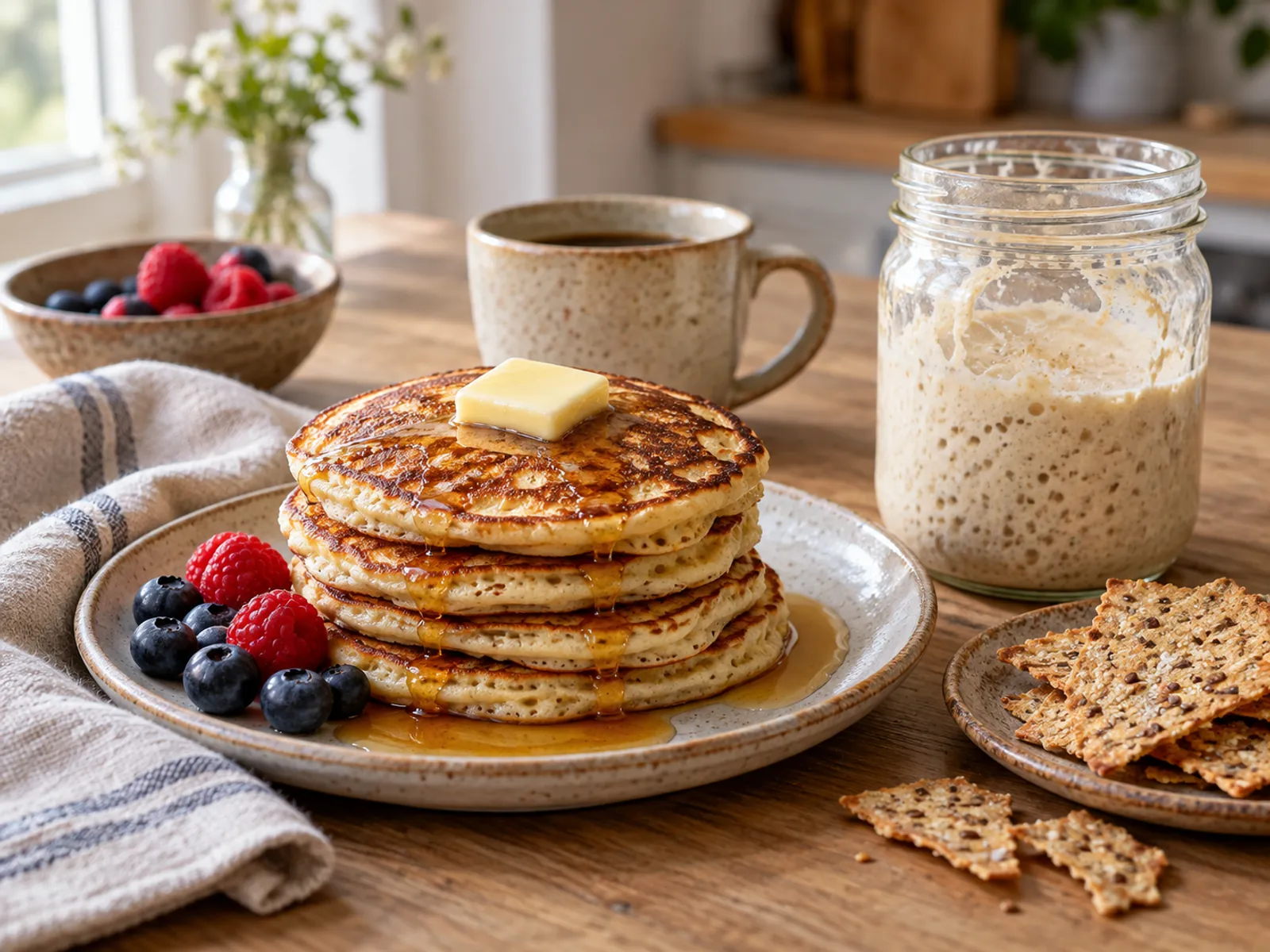
- Sourdough Discard Recipes — Pancakes, Crackers, Pizza & More Sourdough · The best sourdough discard recipes for using up unfed starter — pancakes, waffles, crackers, pizza dough, banana bread, flatbreads, and more. No waste, all flavour.
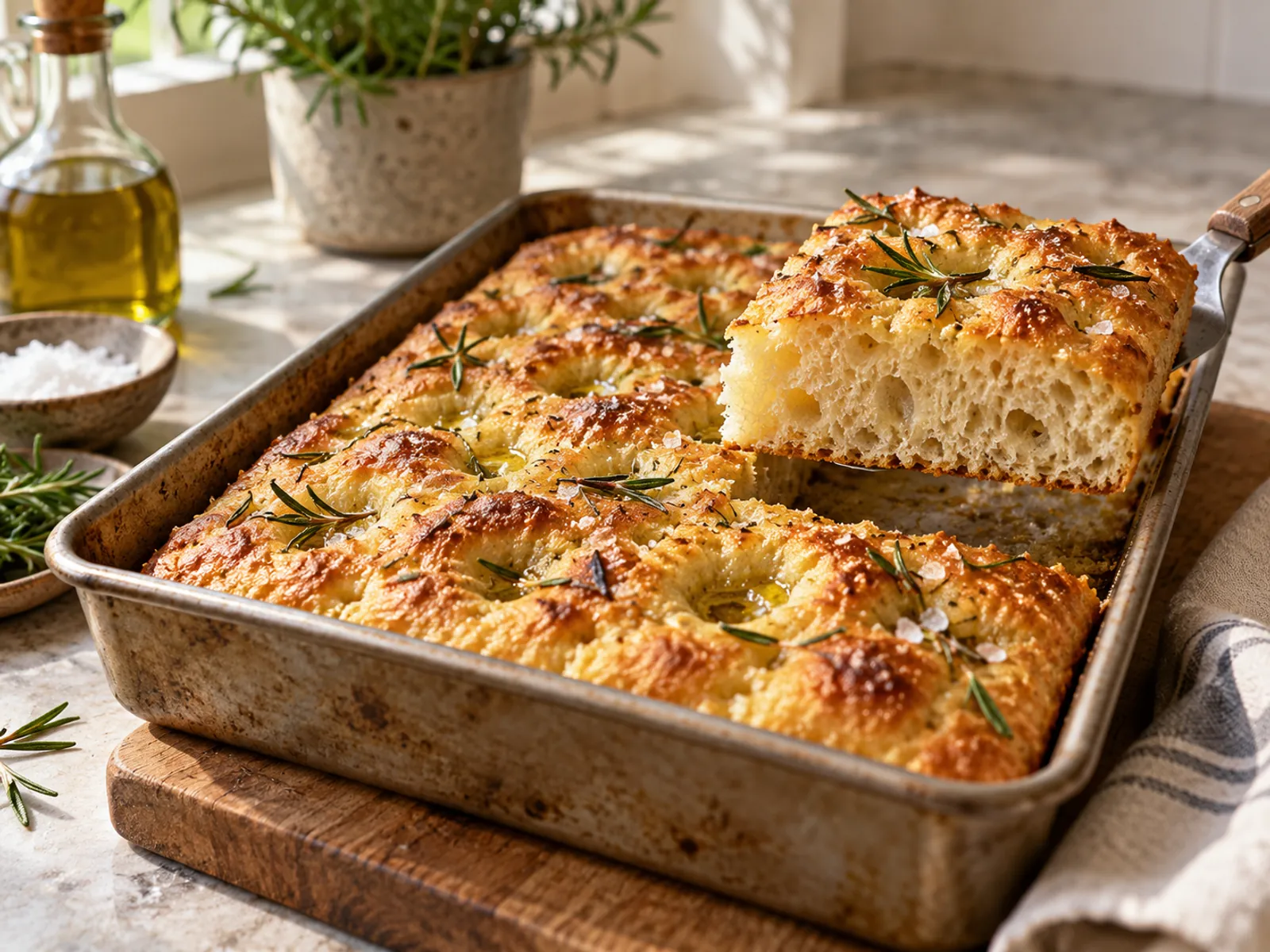
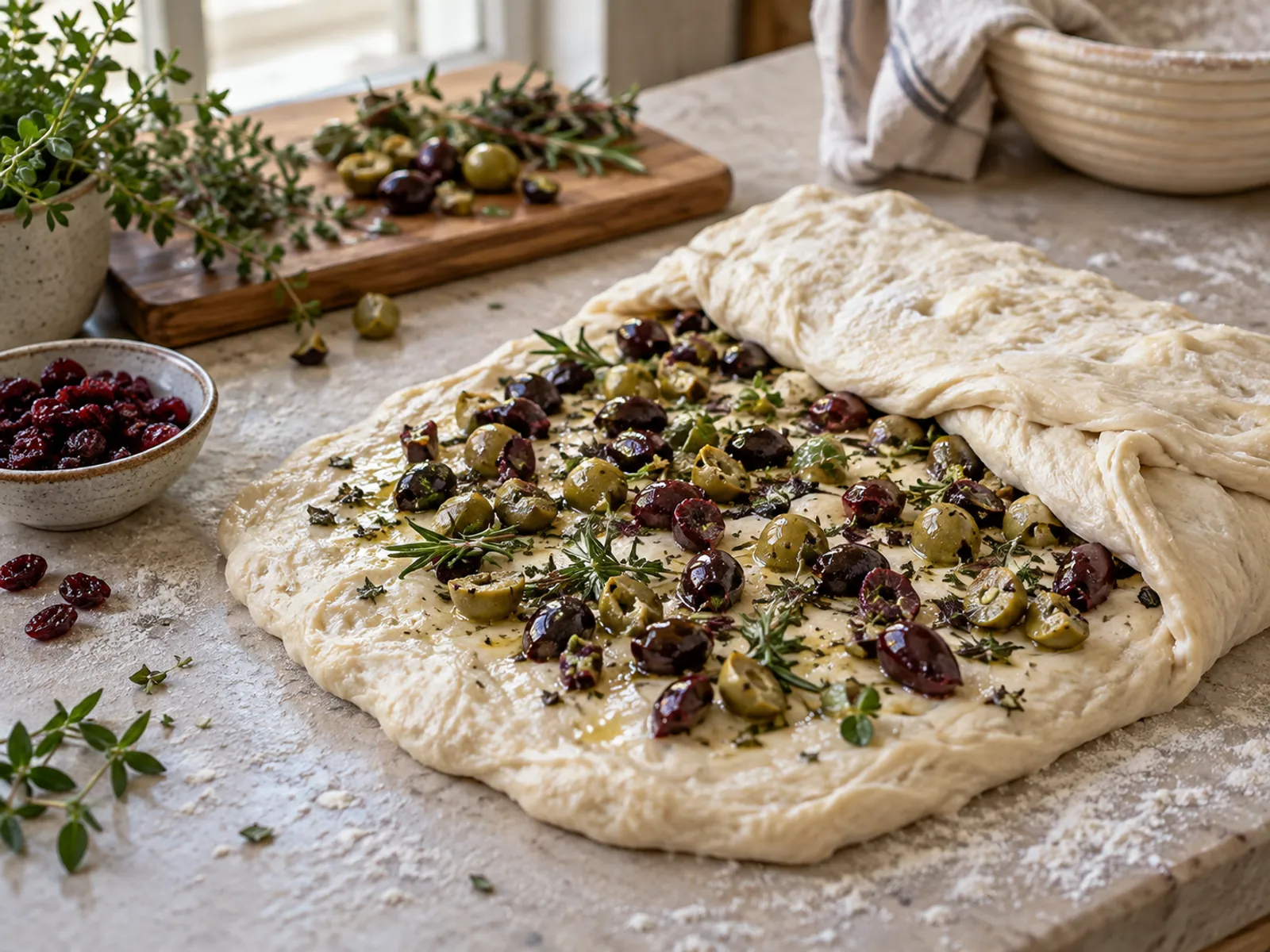
- Sourdough Focaccia Recipe — Crispy, Olive Oil & Herb Sourdough · How to make sourdough focaccia — a high-hydration dough baked in olive oil until crispy on the bottom and soft inside. Simple overnight method with no kneading.
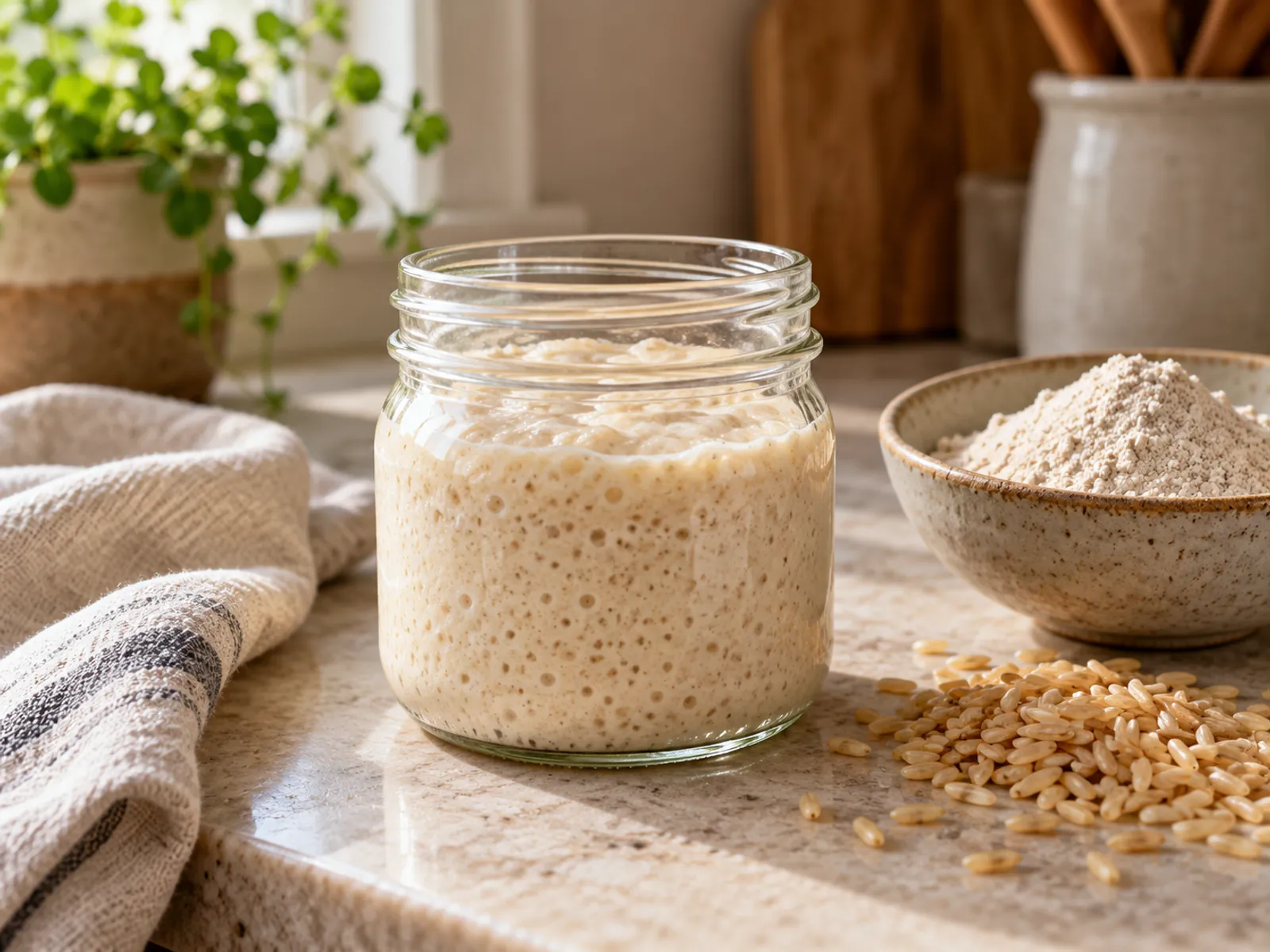
- How to Make a Gluten-Free Sourdough Starter (7-Day Build) Sourdough · Build a 100% gluten-free sourdough starter from brown rice, buckwheat, or sorghum flour: the day-by-day schedule, wetter hydration, feeding cadence, and how to read activity when there's no gluten to trap gas.
- How to Make a Sourdough Starter From Scratch Sourdough · Make a sourdough starter from scratch in about a week — flour, water, a jar, and a simple daily feed. The day-by-day timeline, the day-3 false rise, and how to know it's ready to bake.
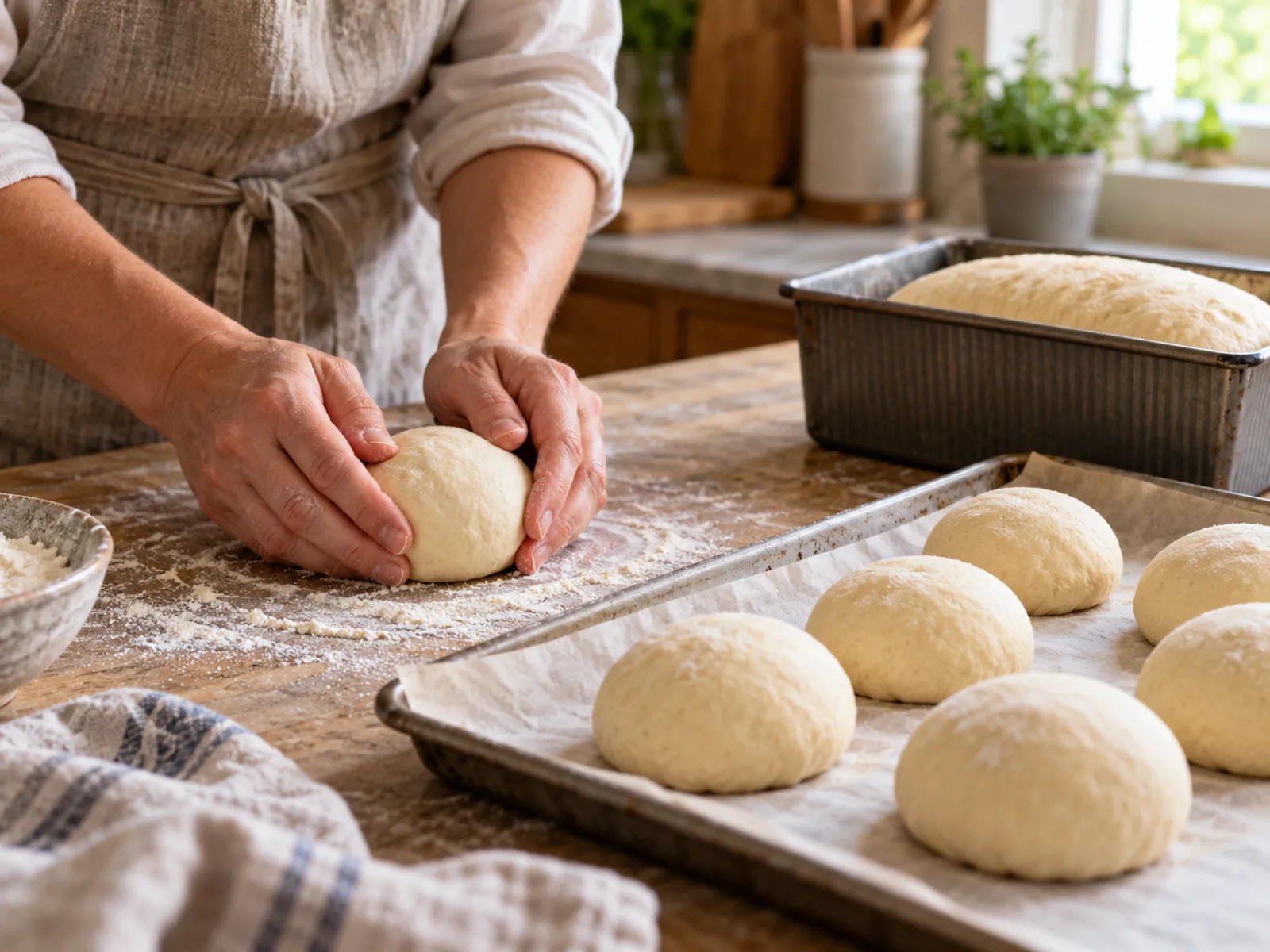
- Shaping Sourdough Rolls & Sandwich Loaves Sourdough · How to shape sourdough into sandwich loaves, dinner rolls, and burger buns — building tension, the cup-and-drag for rolls, and proofing shaped dough.
- Einkorn Sourdough Bread: A Complete Guide Sourdough · How to bake einkorn sourdough — why einkorn dough behaves differently, the right hydration, a gentler method, and how to avoid a dense or gummy loaf.
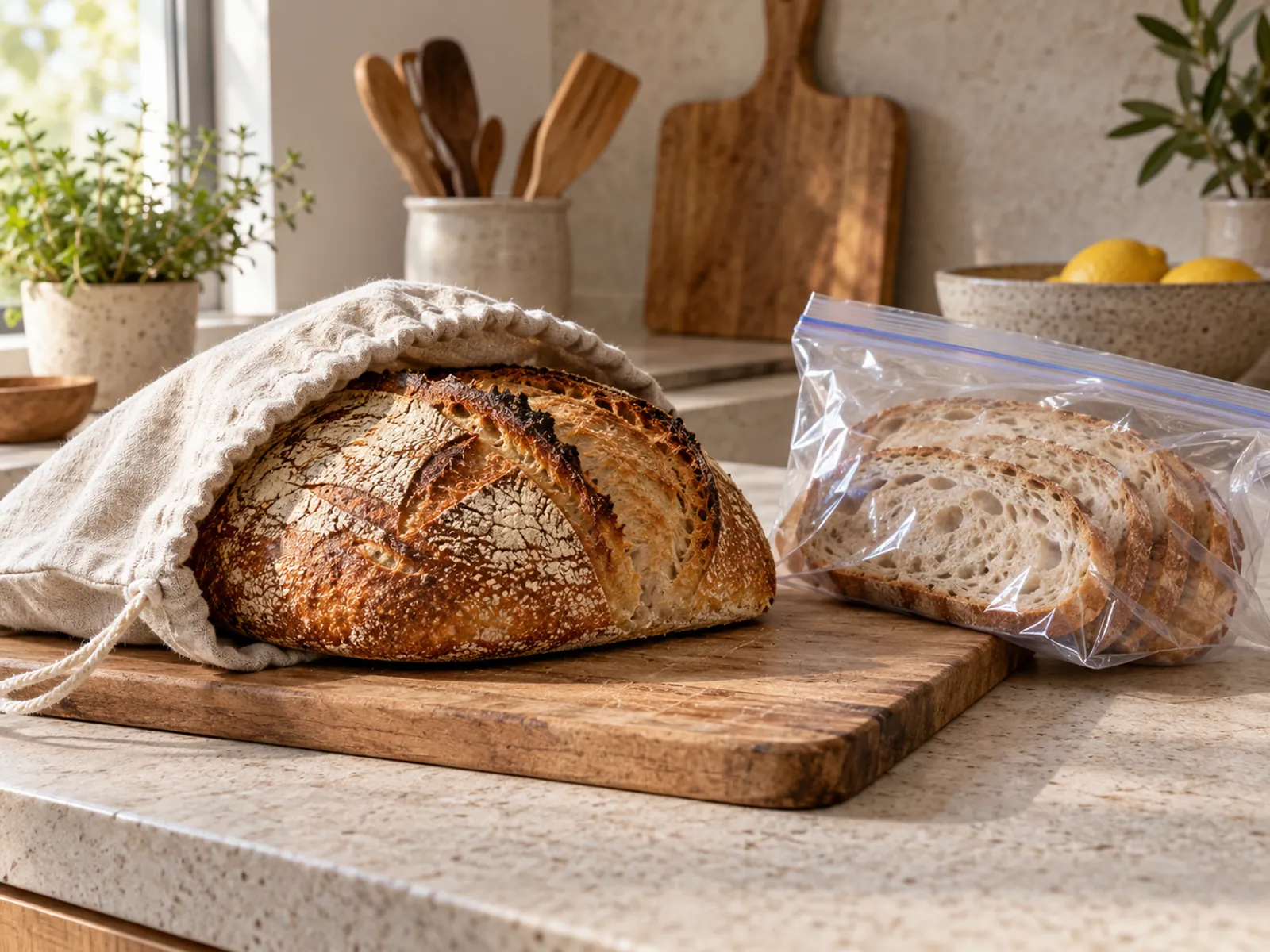
- How to Store Sourdough Bread & Keep It Fresh Sourdough · The best way to store sourdough — keeping the crust crisp on day one, why the fridge is the enemy, freezing for the long haul, and reviving stale bread.
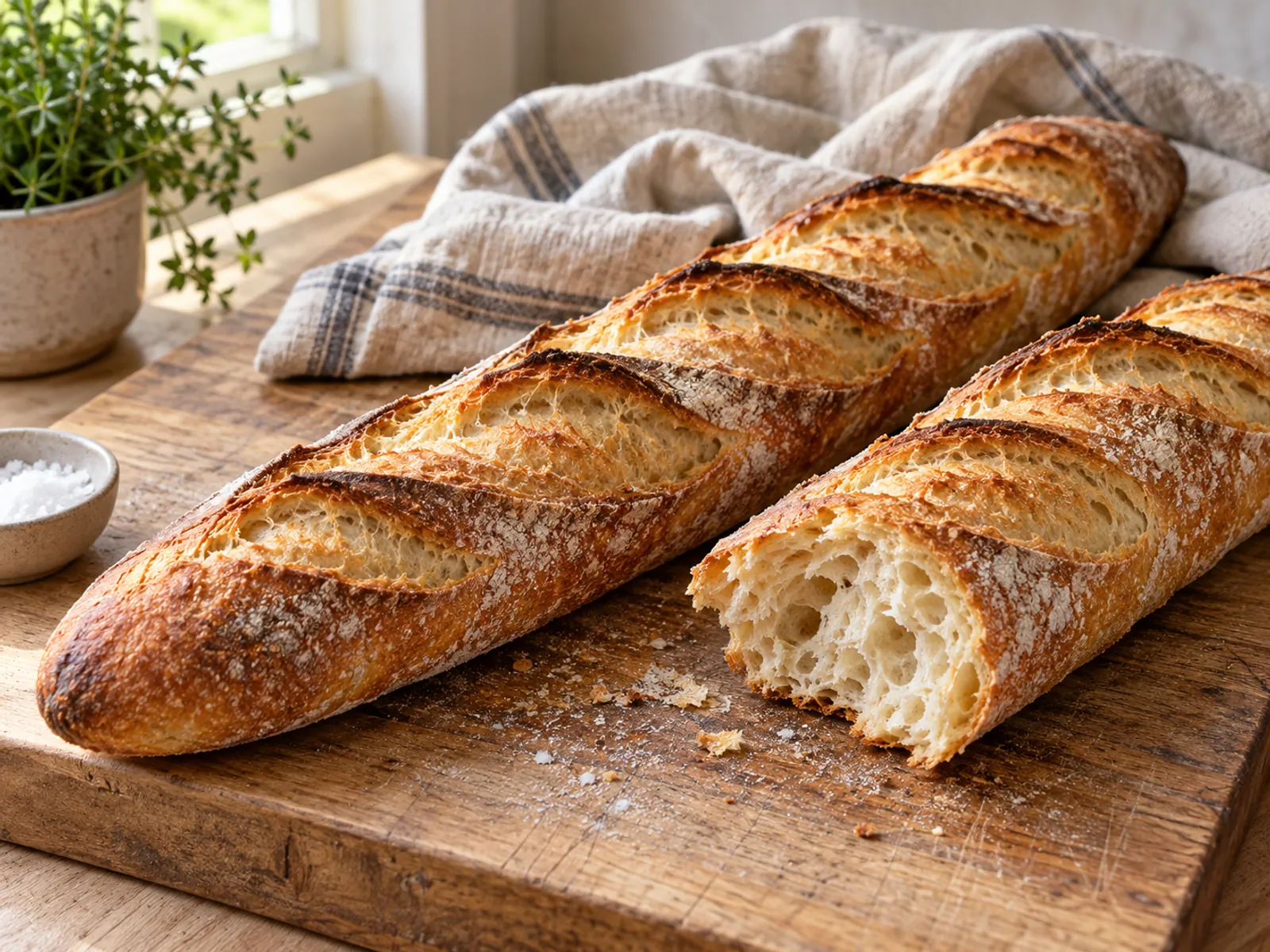
- How to Make Sourdough Baguettes Sourdough · A complete guide to sourdough baguettes — the dough, shaping in stages, using a couche, scoring the grigne, steaming a home oven, and the bake.
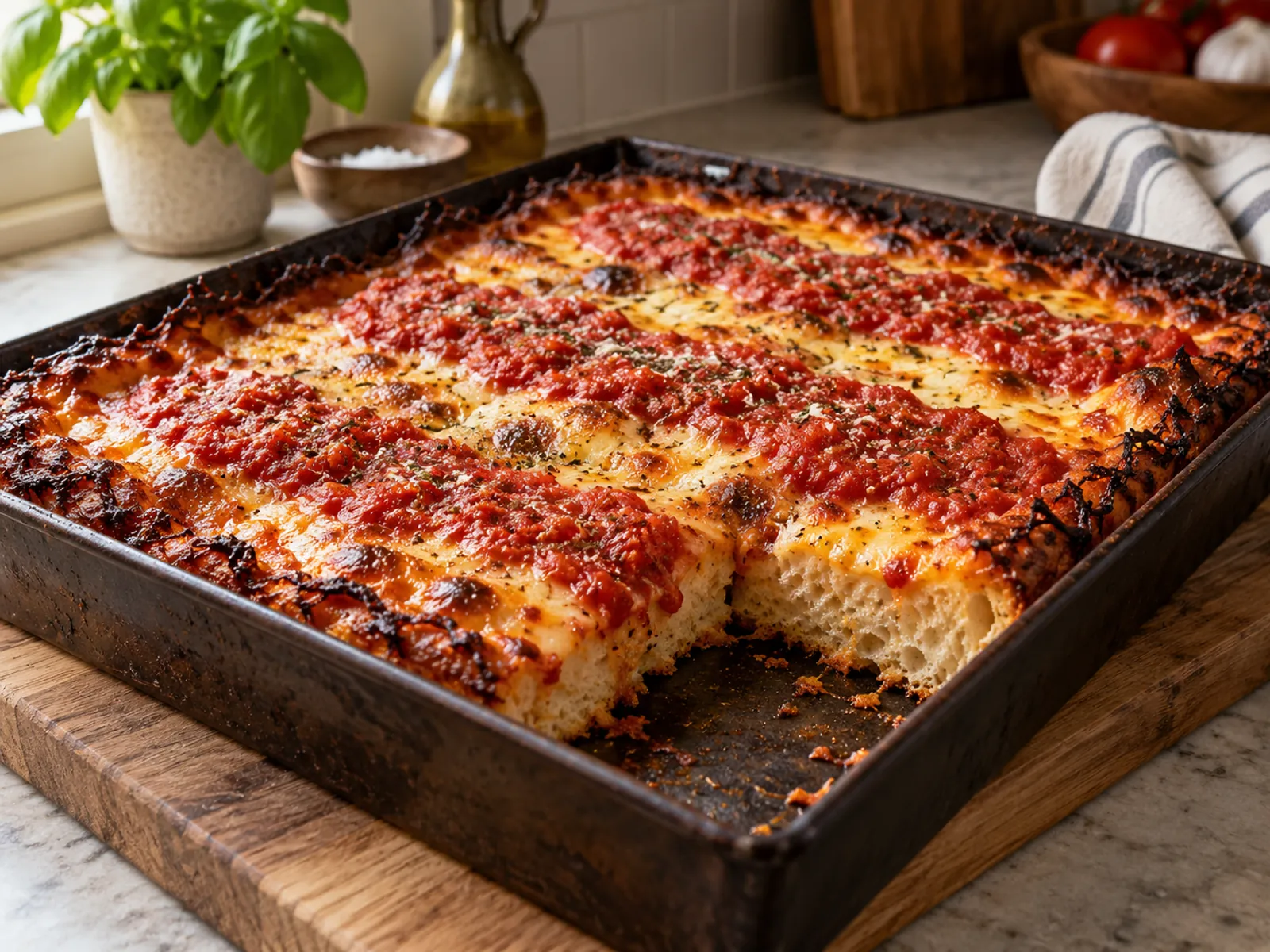
- Sourdough Pizza: Detroit-Style & Einkorn Sourdough · How to make sourdough pizza — same-day vs cold-fermented dough, hydration by style, a Detroit-style pan method, einkorn notes, and using discard.
- Sourdough Recipe Variations: Cranberry, Olive & Chocolate Sourdough · How to add inclusions to sourdough — how much to add, when to add them, handling dry vs wet vs fatty add-ins, and three tried combinations to start with.
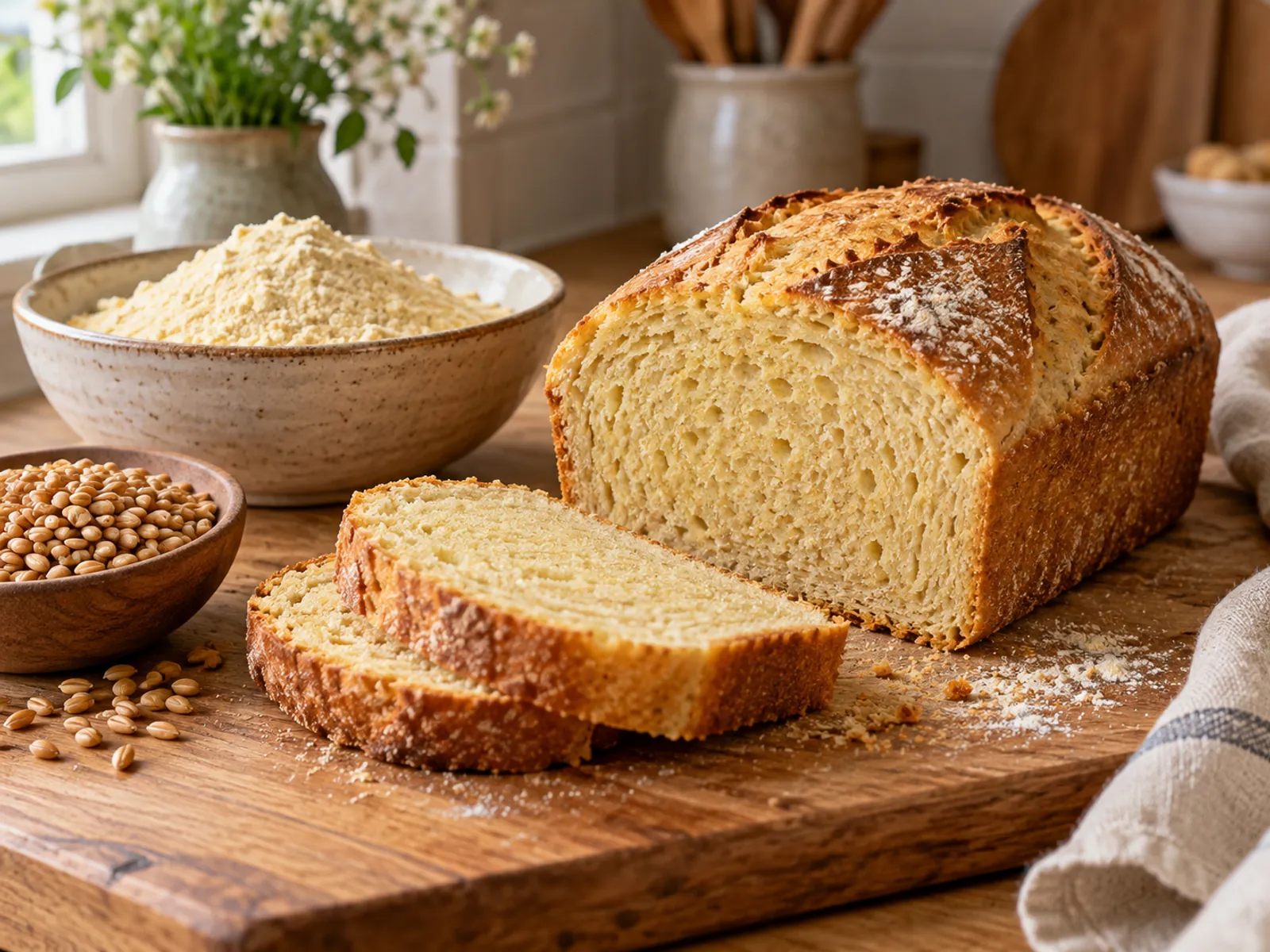
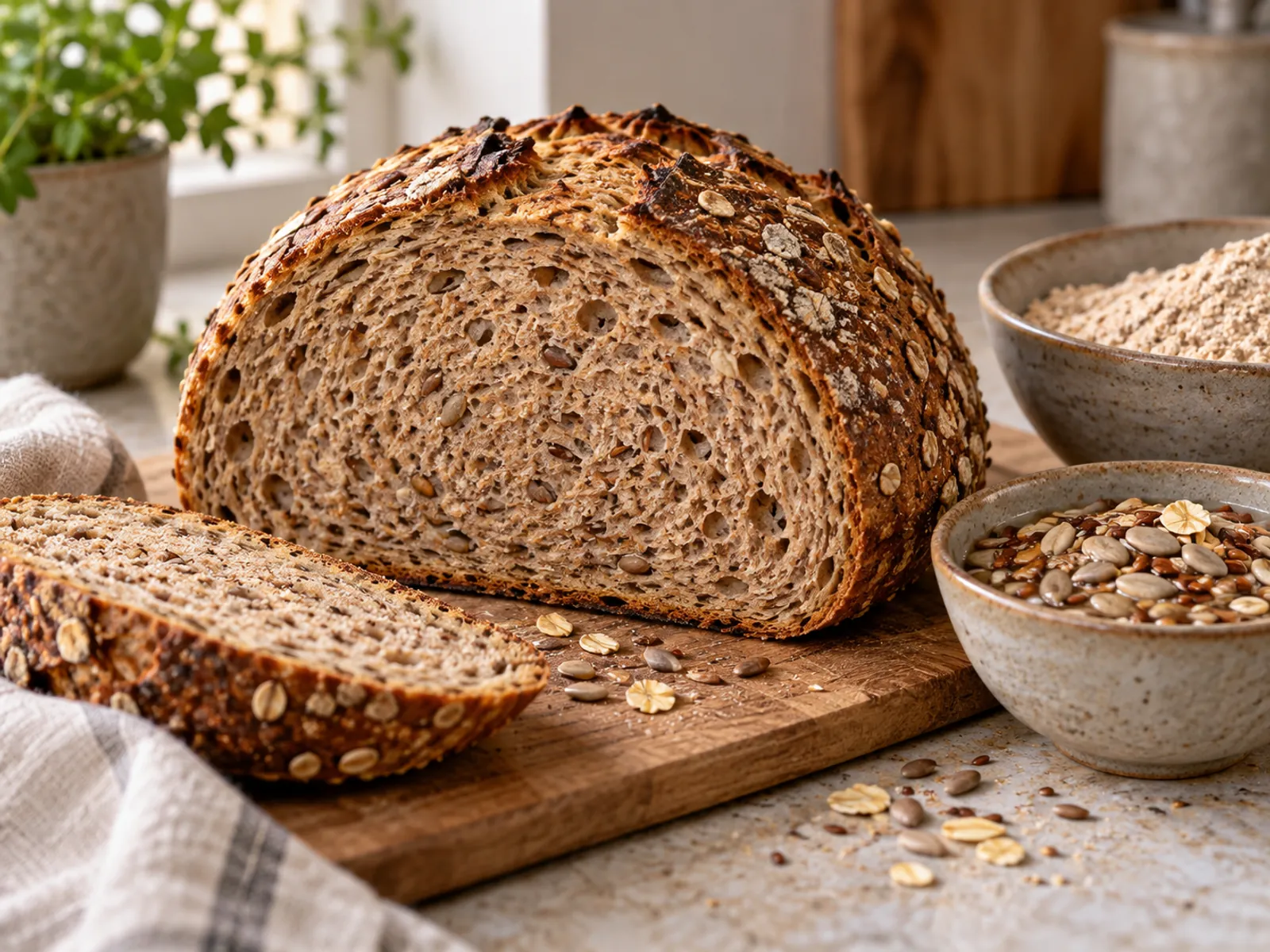
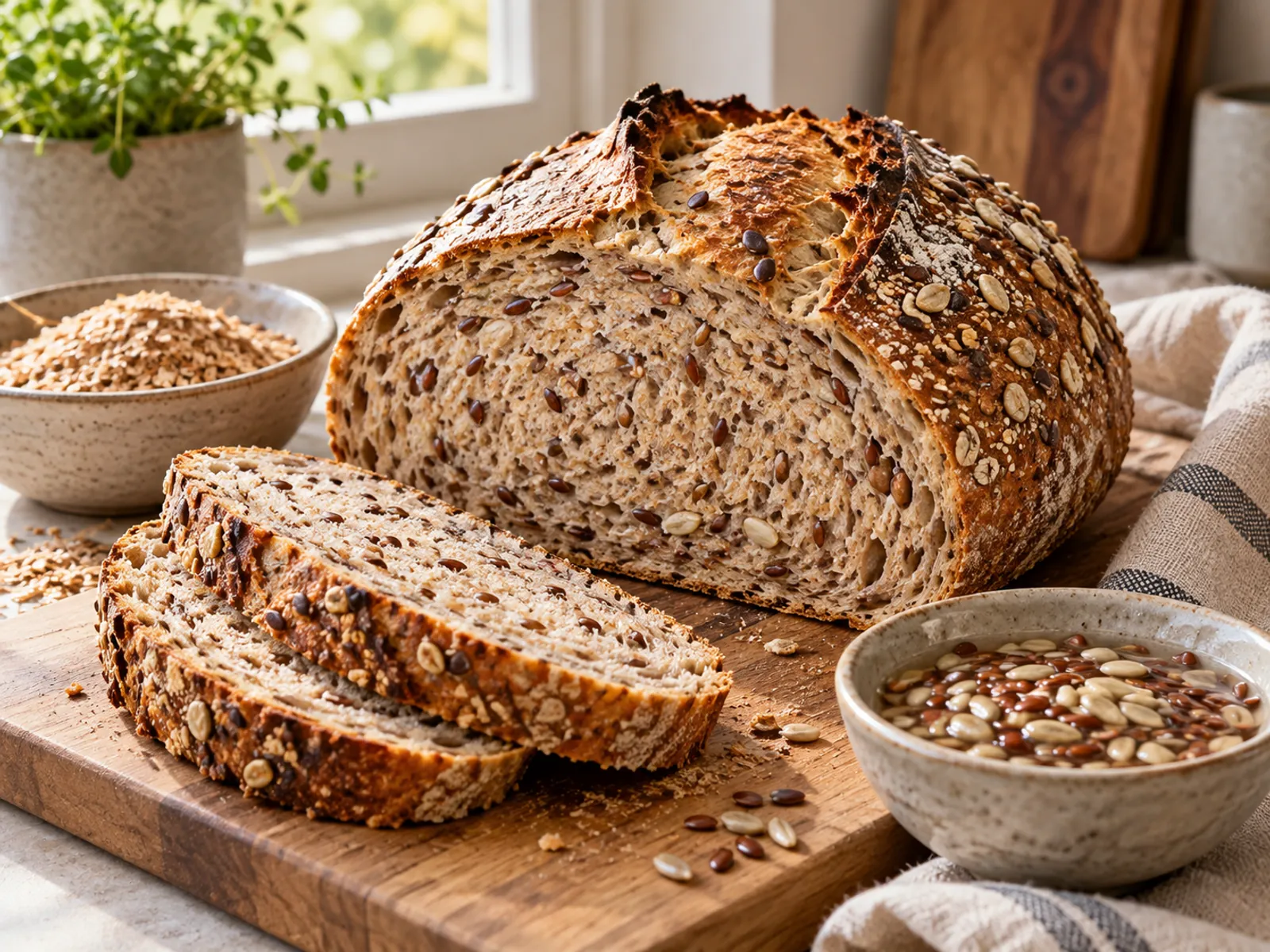
- Whole Grain Sourdough Bread — Whole Wheat & Multigrain Sourdough · How to bake whole grain sourdough bread with whole wheat and multigrain flour — why whole grain needs more water, how to use a seed soaker, and how to avoid a dense, heavy loaf.
- High-Fiber Sourdough Bread: Flours, Add-Ins & Hydration Sourdough · How to bake high-fiber sourdough — which flours, seeds, and add-ins raise fiber, how much extra water they need, and how to keep the crumb open instead of dense.
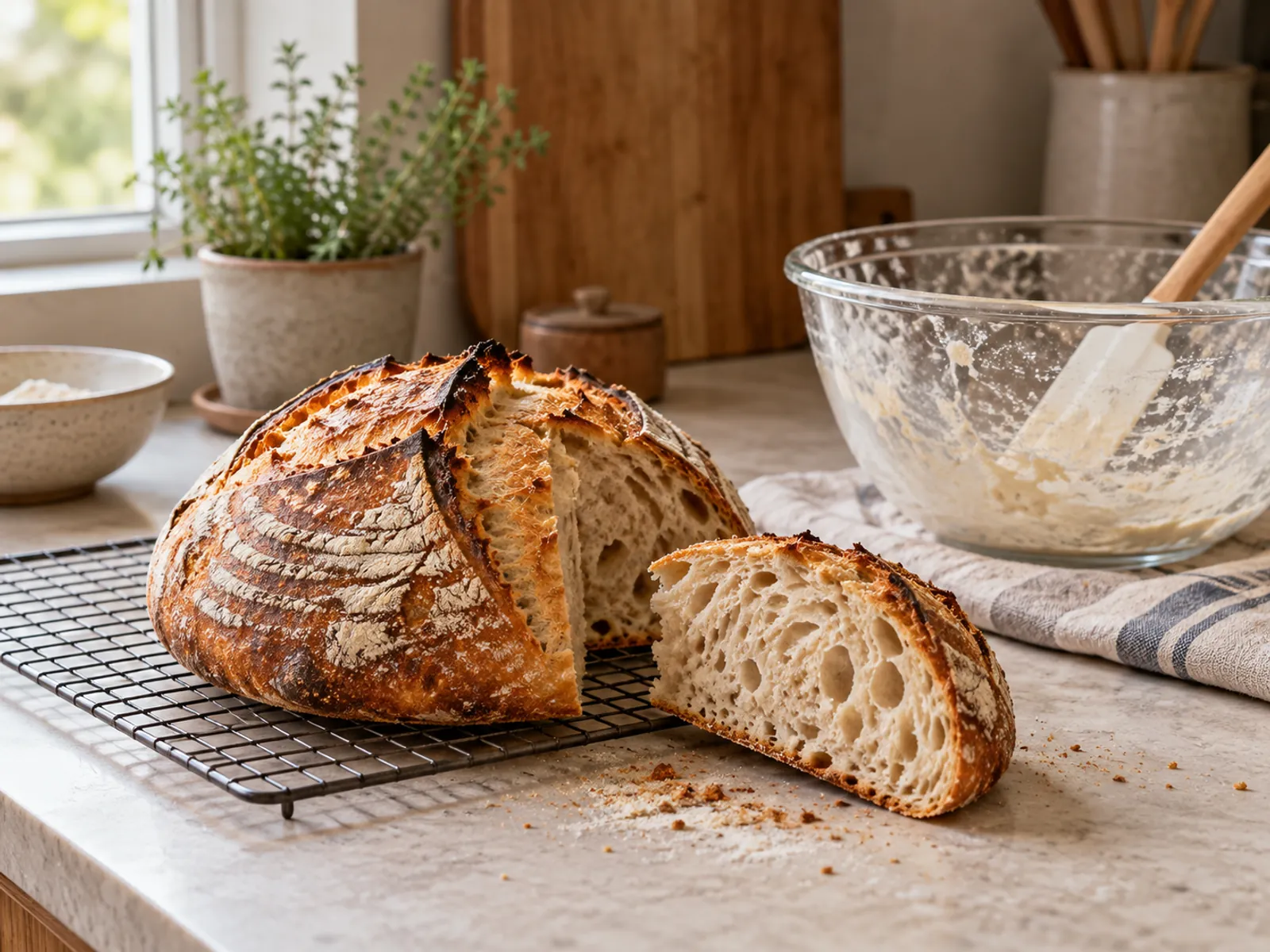
- Easy No-Knead Sourdough Recipe Sourdough · A simple no-knead sourdough recipe for beginners — mix, fold, ferment, and bake an artisan loaf with an open crumb and crackly crust, no kneading required.
Mead
6 recipe guides
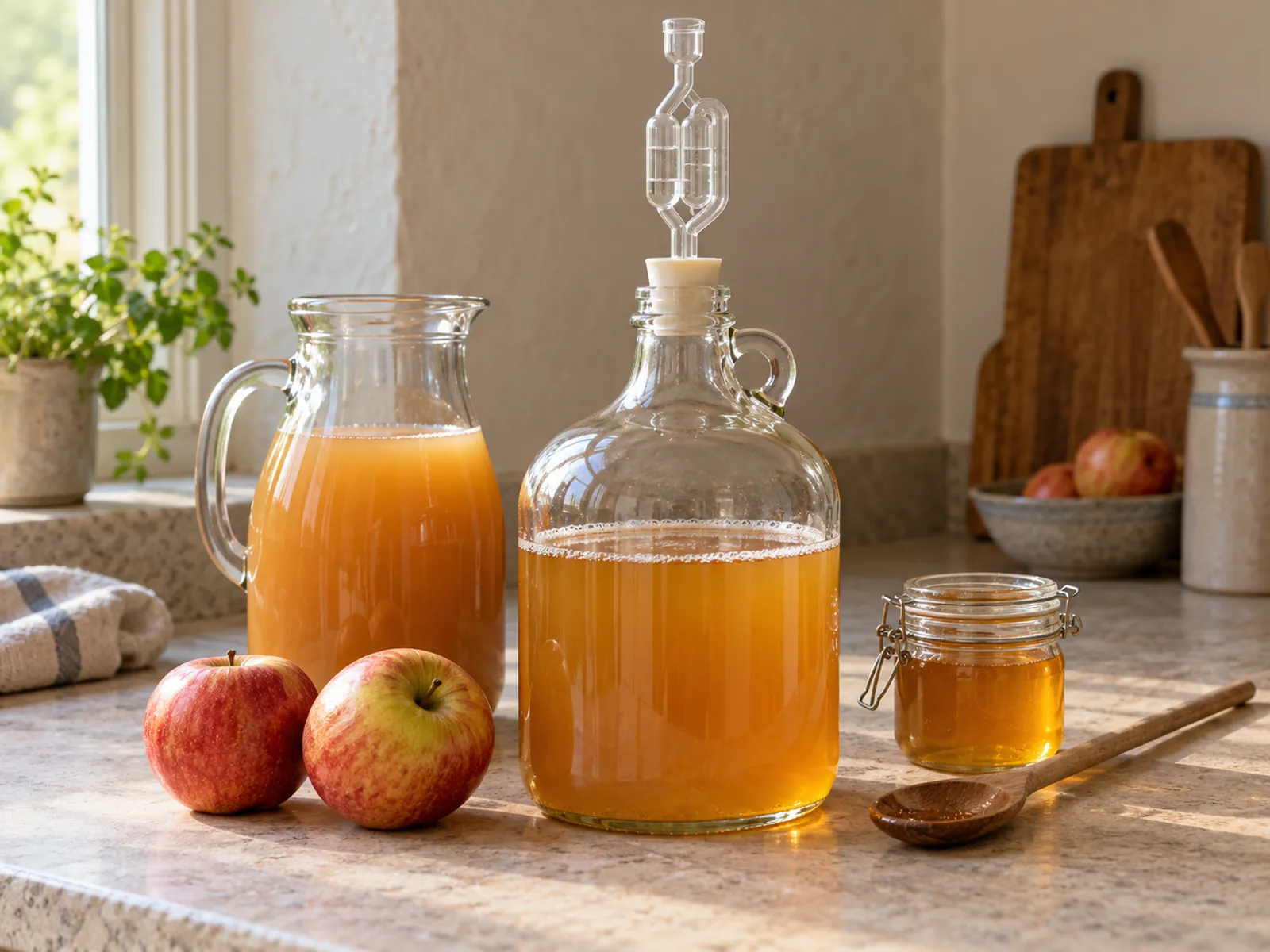
- Cyser Recipe: How to Make Apple Mead (1 Gallon) Mead · A simple 1-gallon cyser recipe: preservative-free apple juice plus about 2 lb of honey, a wine yeast and staggered nutrients. Starting gravity, yeast choice, timeline, and how to backsweeten and age it.
- Milk and Honey Mead (Lactomead): Recipe, Process & What to Expect Mead · What milk and honey mead is, how lactose adds body and sweetness to mead, a step-by-step recipe for 1-gallon and 5-gallon batches, yeast selection, fermentation timeline, and troubleshooting.
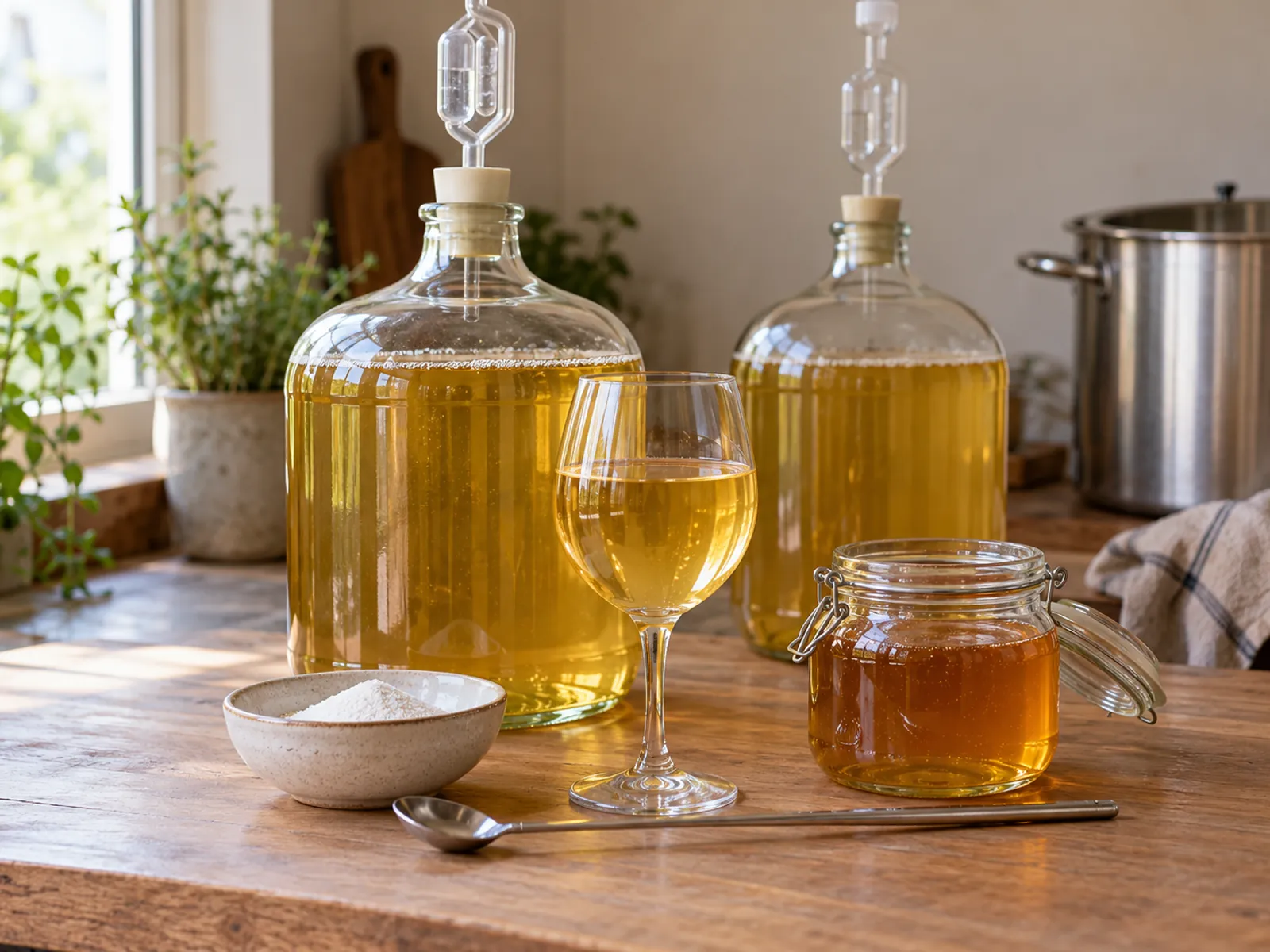
- Simple 1-Gallon Mead Recipe: Traditional Mead for Beginners Mead · Easy mead recipe for beginners — honey, water, yeast and nutrients in a simple one-gallon batch. Includes ingredient list, target gravity, step-by-step fermentation, and how to scale to 5 gallons.
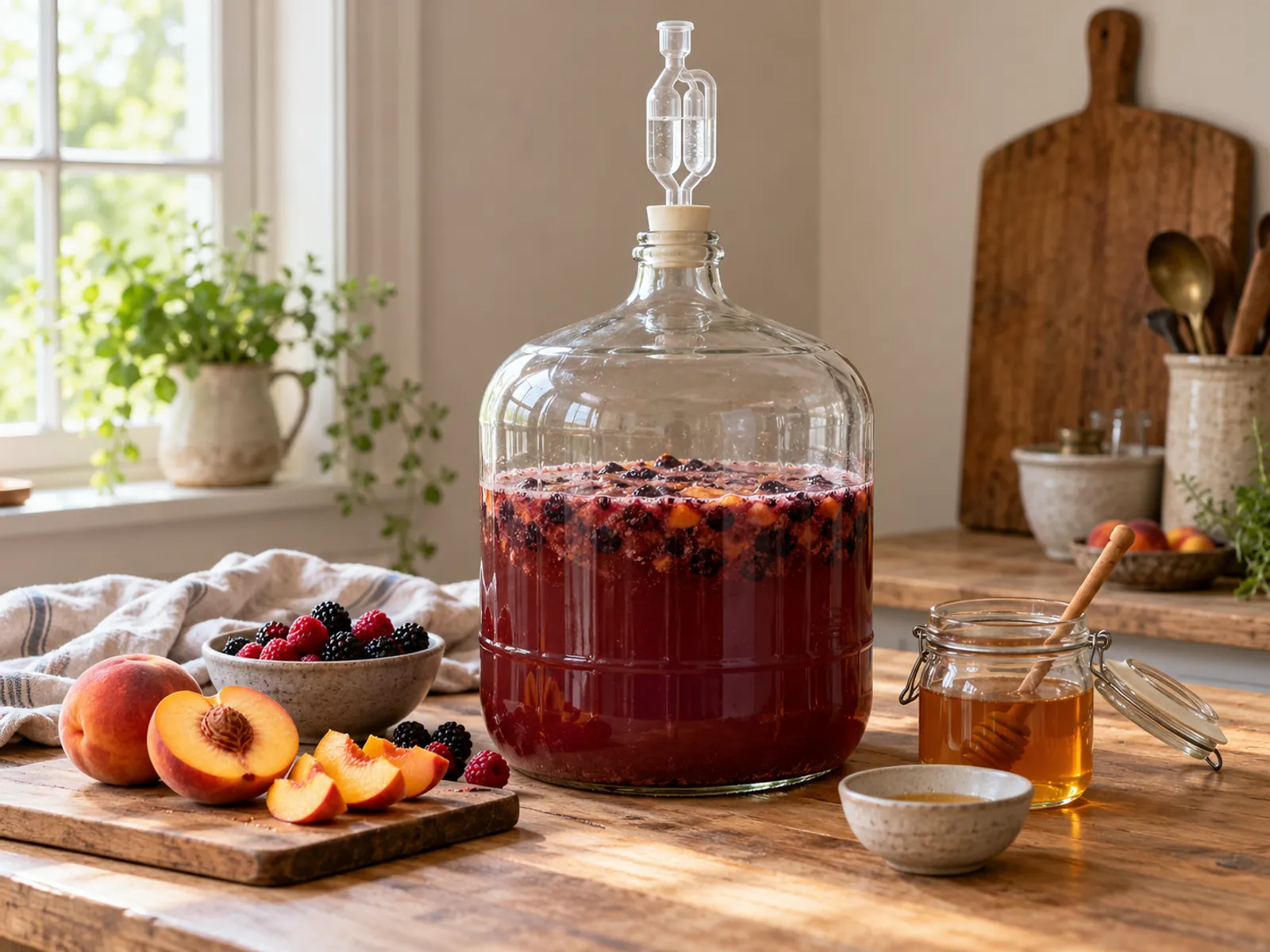
- Fruit Mead (Melomel) Recipes: Berry, Stone Fruit & More Mead · Beginner-friendly fruit mead recipes and a repeatable melomel method: how much honey and fruit to use per gallon, the best fruits, when to add them, and step-by-step recipes for berry and stone fruit meads, plus where to find the cyser recipe.
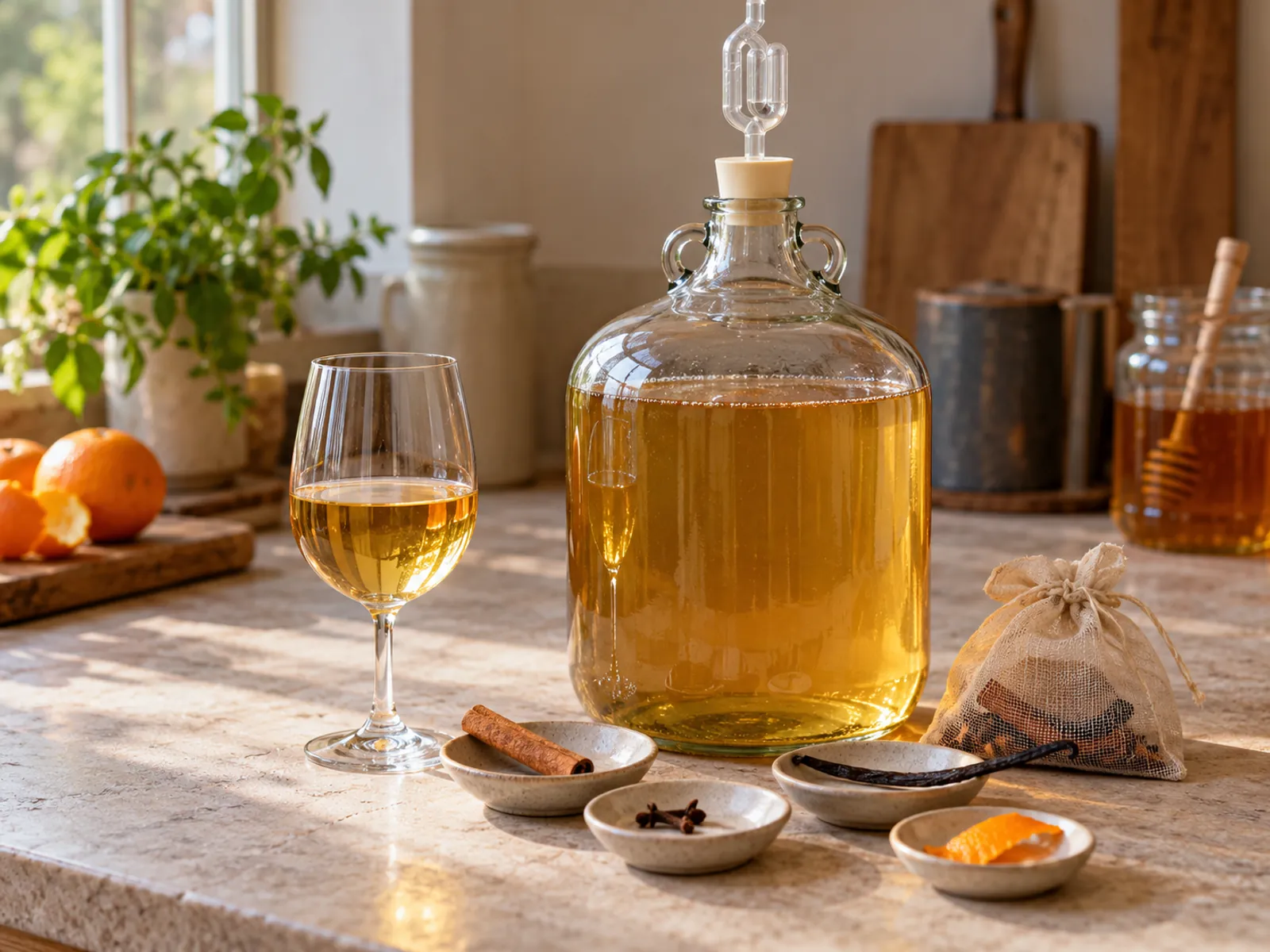
- Mead Spices & Flavoring: Metheglin, Melomel & How Much to Add Mead · How to flavor mead with spices, fruit, and herbs: what a metheglin and melomel are, the best spices to use, when to add them, how much, and how to avoid overpowering the honey.
- Mead Troubleshooting: Mold, Infection, and Off-Flavors Fixed Mead · How to diagnose and fix common mead problems: telling mold from a harmless film, spotting infection, understanding off-flavors like rotten egg, nail polish, and medicinal notes, and when a batch is worth saving.
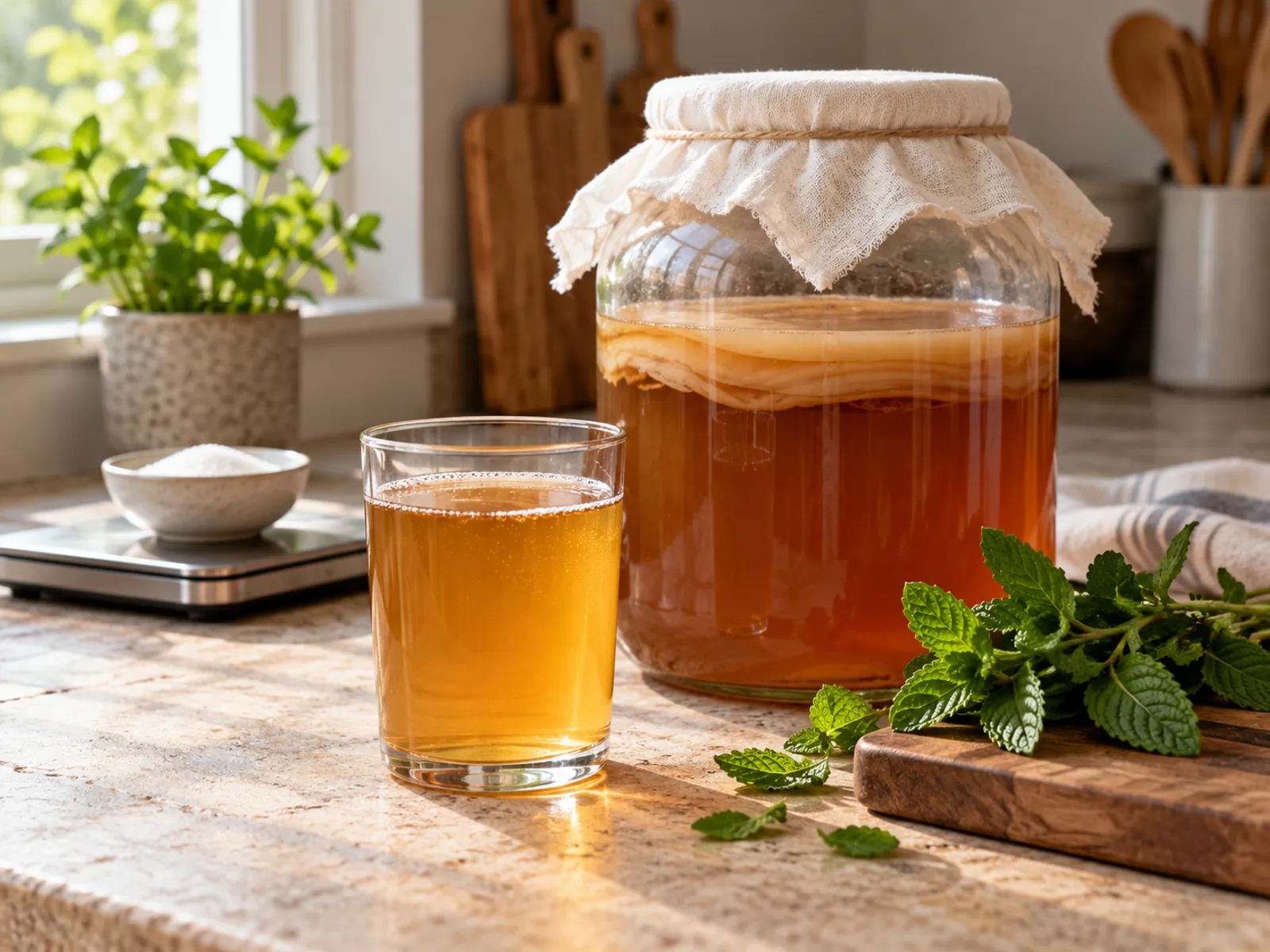
Kombucha
5 recipe guides
- How to Flavor Kombucha in Second Ferment: 30+ Combinations Kombucha · Add 10–20% fruit or juice per bottle, seal, and leave 2–7 days to fizz. How to flavor kombucha in the second ferment, plus 30+ fruit, herb and spice combinations.
- Ginger Kombucha: How to Make It Fizzy & Spicy Kombucha · How to make ginger kombucha that's genuinely fizzy and spicy — how much fresh ginger to add in second fermentation, timing, burping to avoid bottle bombs, and the best ginger combos.
- Is Homemade Kombucha Safe? Benefits, Caffeine & Risks Kombucha · A clear-eyed look at homemade kombucha safety — how low pH protects your brew, the real risks (mould, over-acidification, lead leaching, alcohol), who should be cautious, and how to brew safely.
- Low-Sugar & Sugar-Free Kombucha Recipes Kombucha · How to brew genuinely lower-sugar kombucha — why the SCOBY needs real sugar, how longer fermentation cuts residual sugar, realistic gram numbers, and low-sugar flavouring that actually works.
- How to Make Kombucha at Home: Easy Recipe, Step by Step Kombucha · Homemade kombucha recipe: per litre, 3 tea bags, 70 g sugar and 150 ml starter. Amounts for 1 to 5 litres and 1 to 2 gallons, step-by-step brewing, the 7 to 14 day timeline and bottling for fizz.
Yogurt
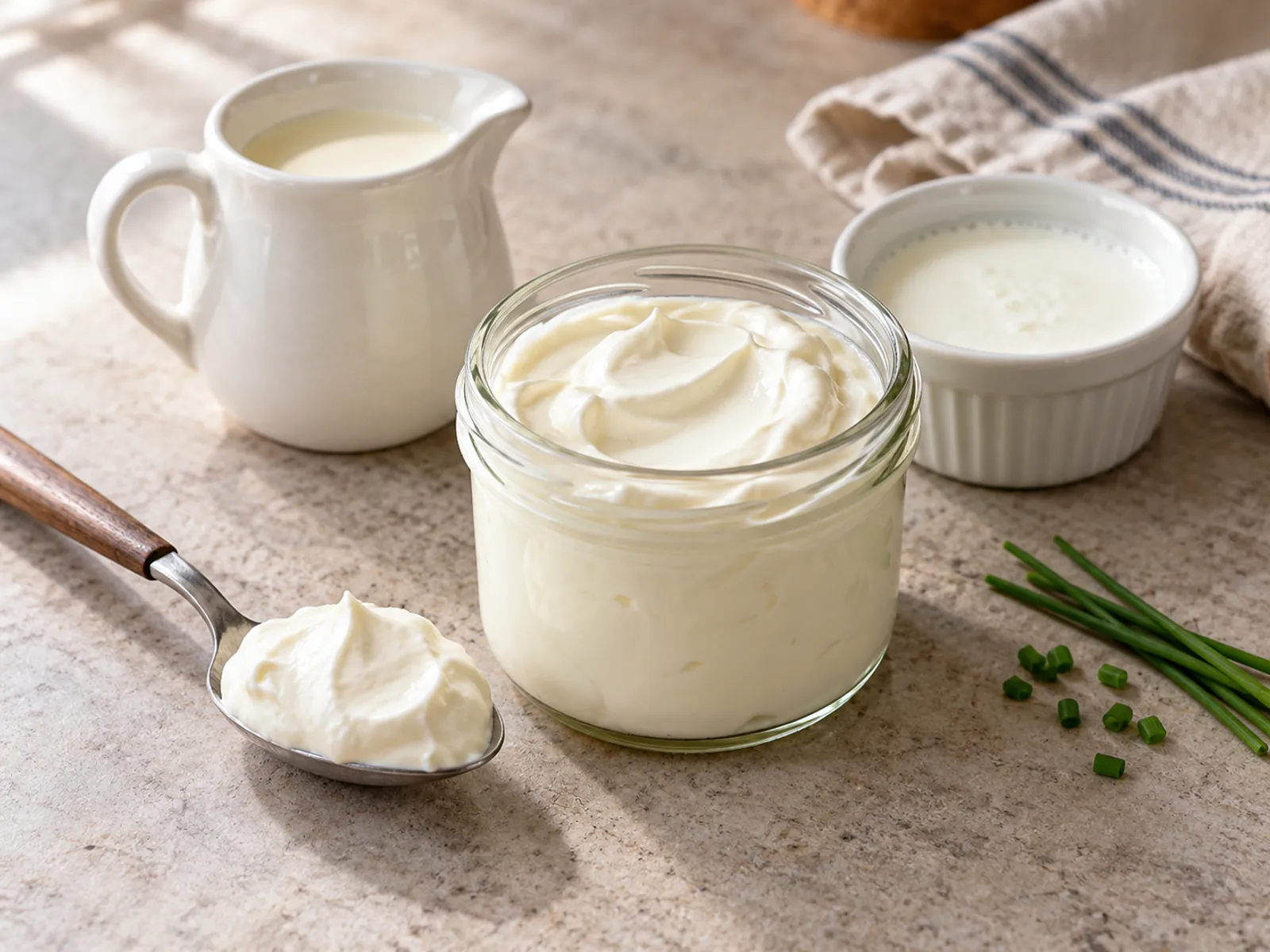
4 recipe guides
- Cultured Sour Cream — Homemade in 24 Hours Yogurt · How to make cultured sour cream at home — ferment heavy cream with live cultures for thick, tangy sour cream that is better than store-bought. Two ingredients, 24 hours.
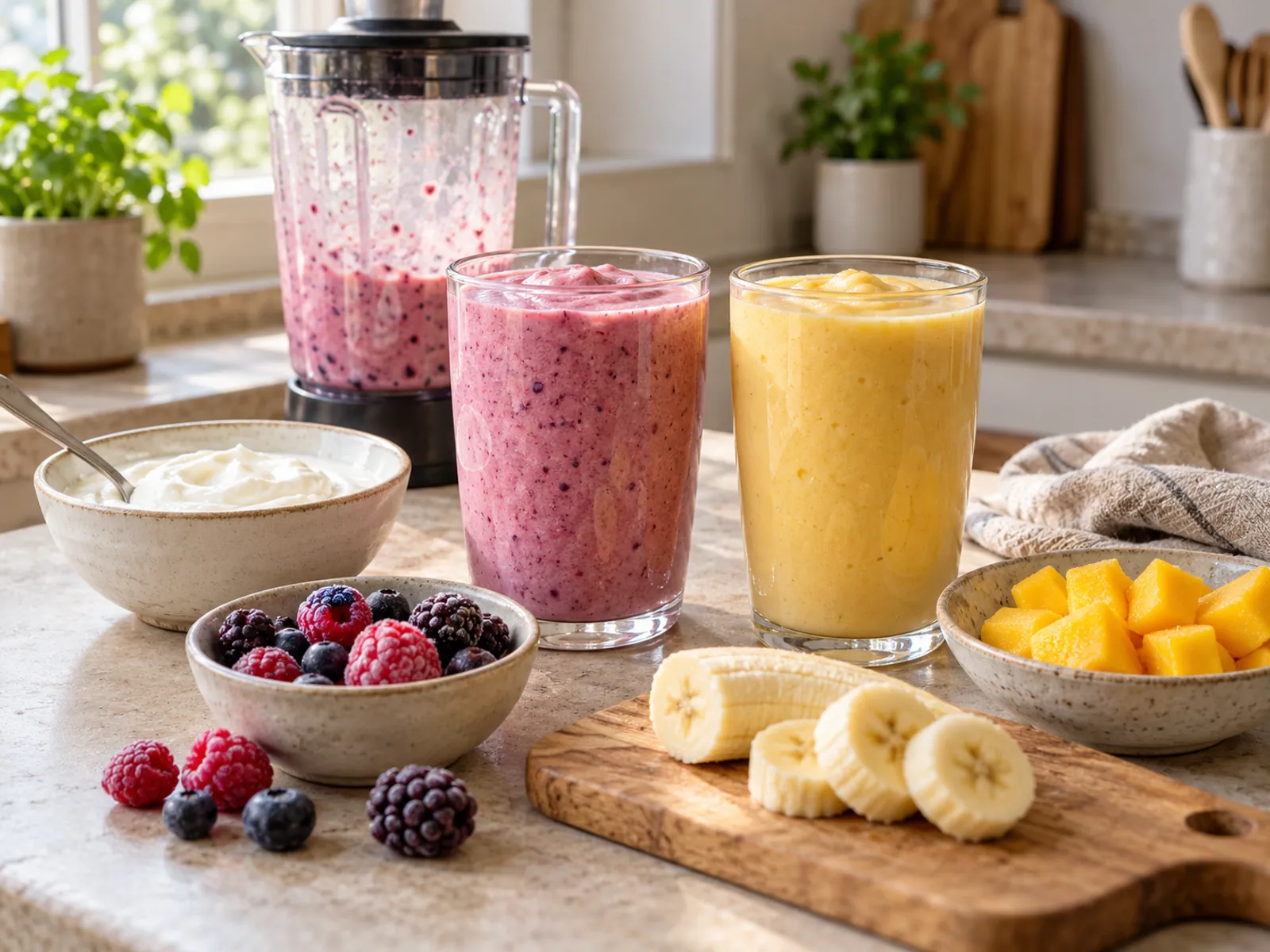
- Greek Yogurt Smoothie Recipes & How Kefir Compares Yogurt · Five easy Greek yogurt smoothie recipes with ingredient ratios, plus a side-by-side comparison with kefir smoothies for protein, probiotics, and texture.
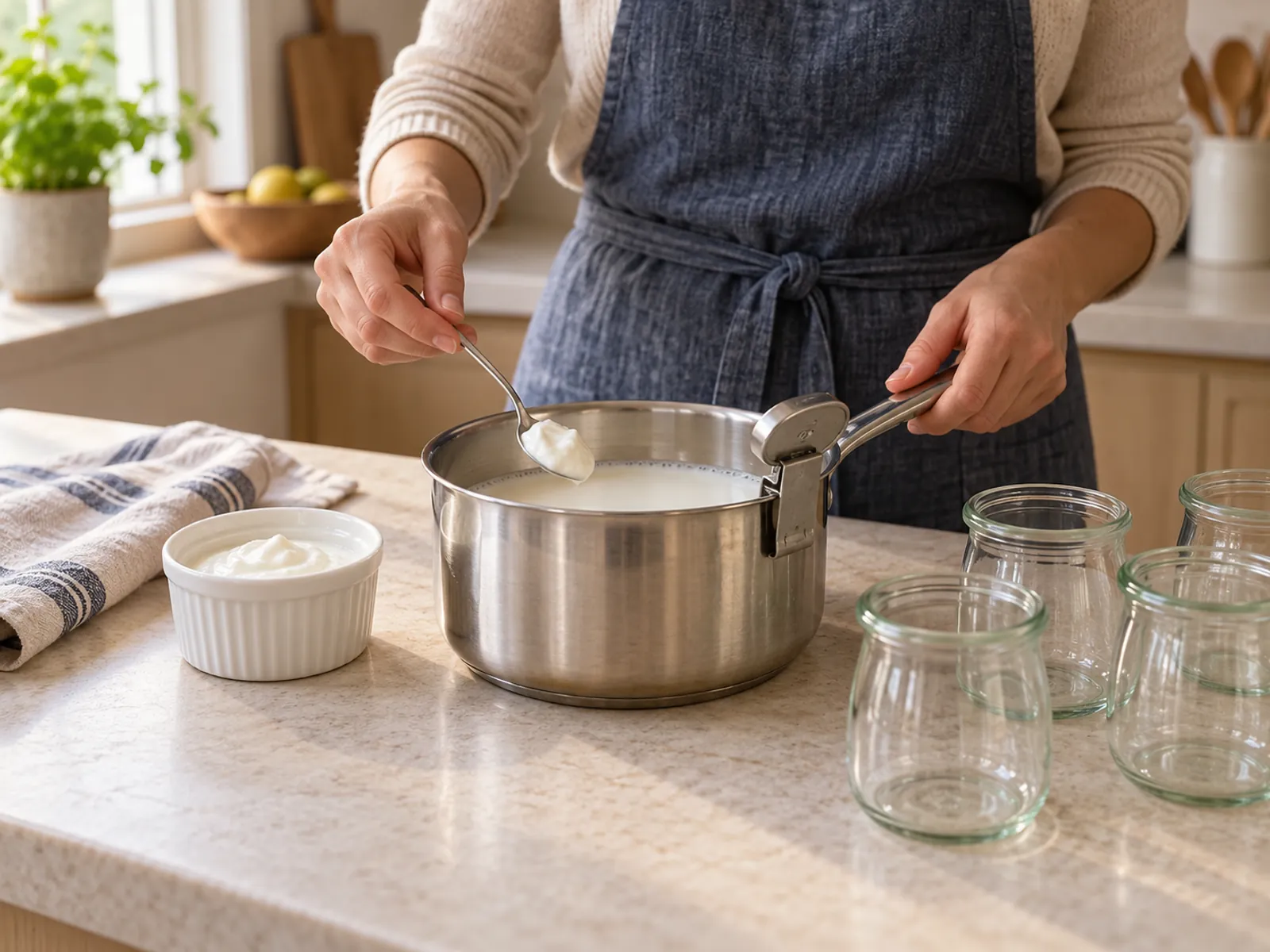
- Homemade Yogurt: How to Make It From Scratch Yogurt · A step-by-step guide to making homemade yogurt — milk selection, starter culture, incubation methods, straining for Greek-style, and fixes for common problems.
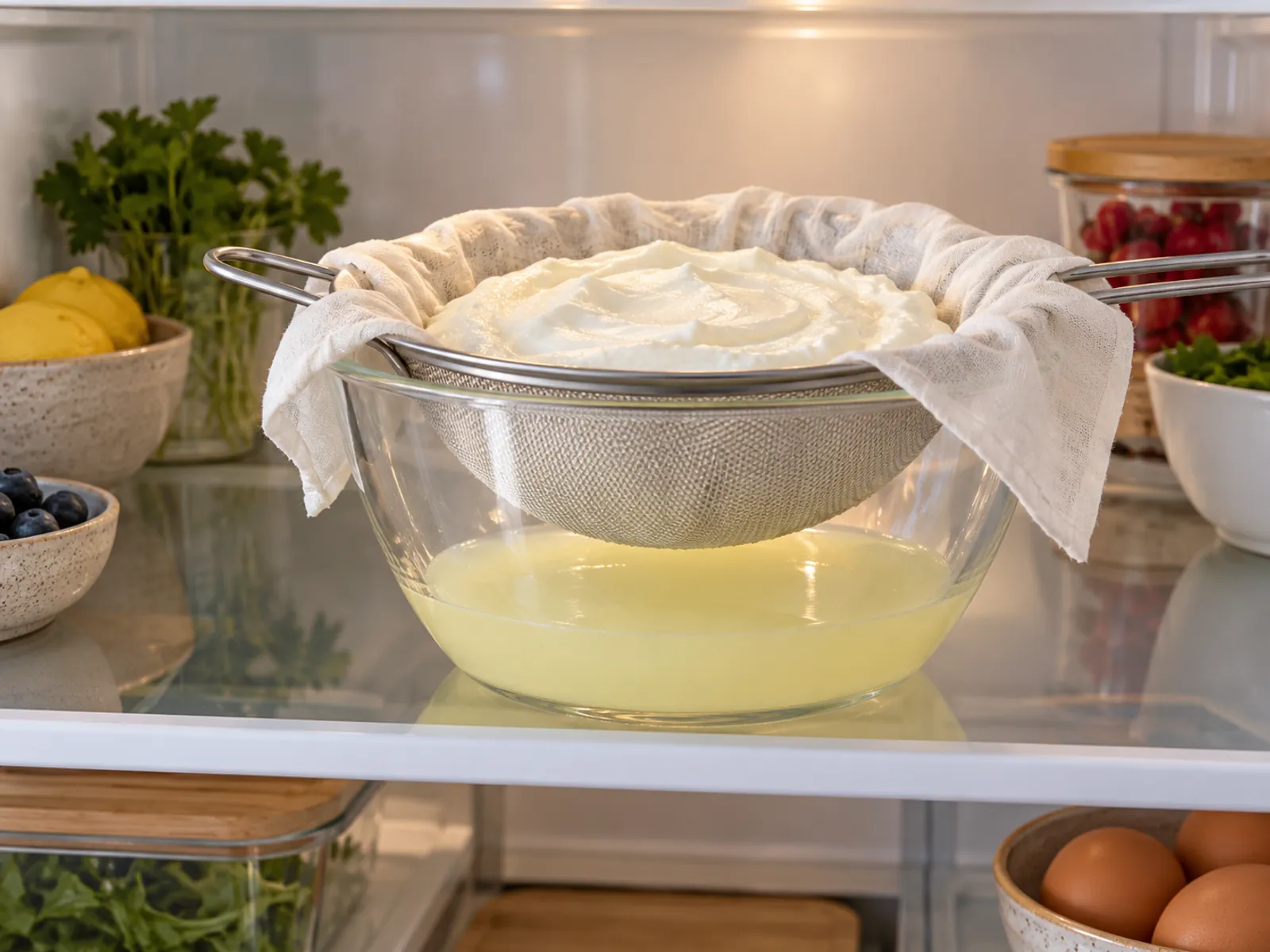
- Greek Yogurt: How It Works and How to Make It at Home Yogurt · How fermentation and straining turn milk into thick Greek yogurt — a step-by-step home method, milk-to-yield ratios, straining times, and fixes for common problems.
Kefir
4 recipe guides
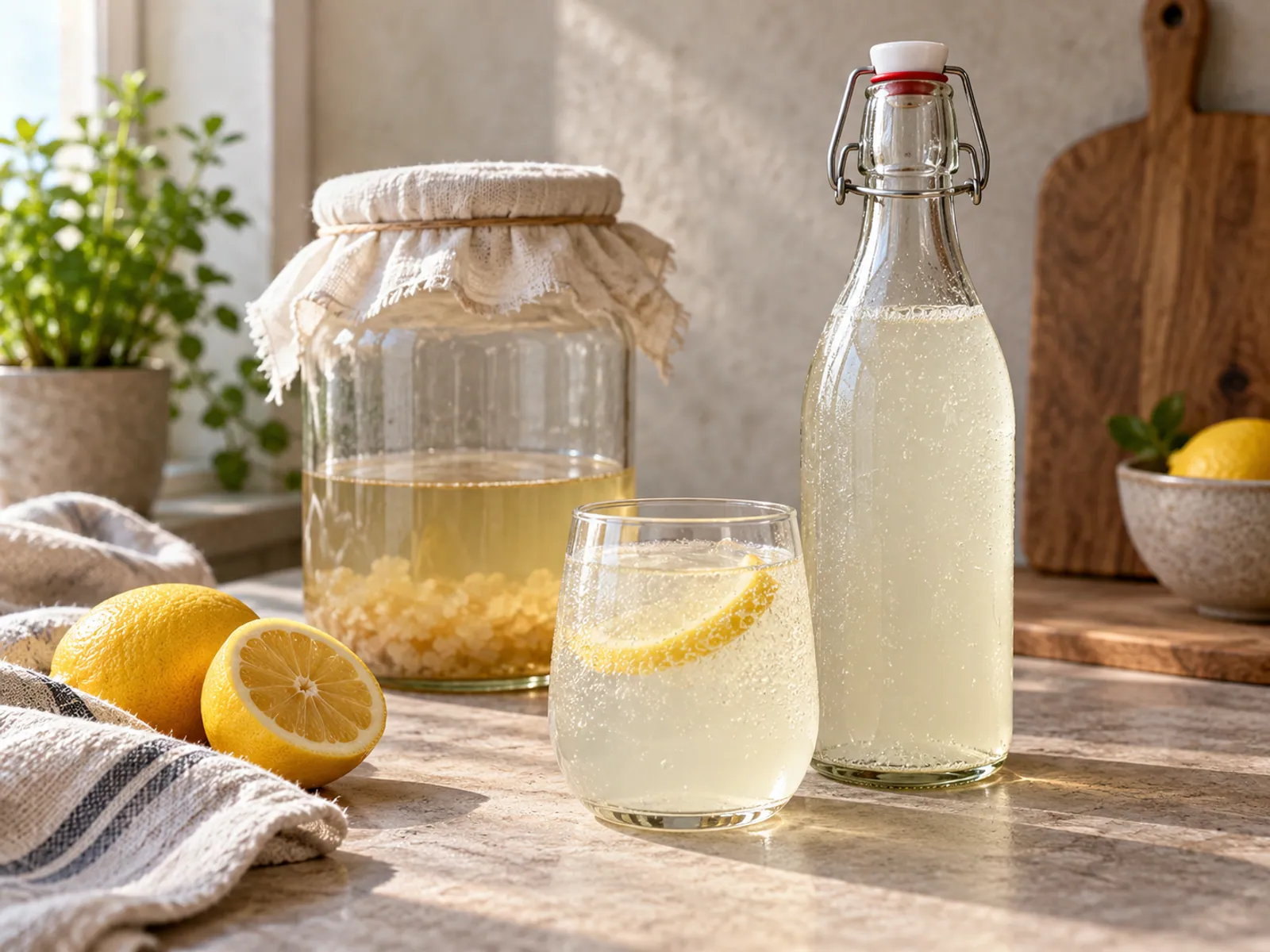
- Water Kefir — How to Make It, Flavour It & Keep It Fizzy Kefir · How to make water kefir at home — a probiotic, naturally fizzy fermented drink from sugar water and water kefir grains. Includes flavouring ideas, troubleshooting, and a second fermentation guide.
- Lactose-Free Yogurt: How to Make It at Home Kefir · How to make lactose-free yogurt at home: how fermentation itself cuts lactose, using lactose-free milk, 24-hour yogurt for near-zero lactose, and the right starter cultures.
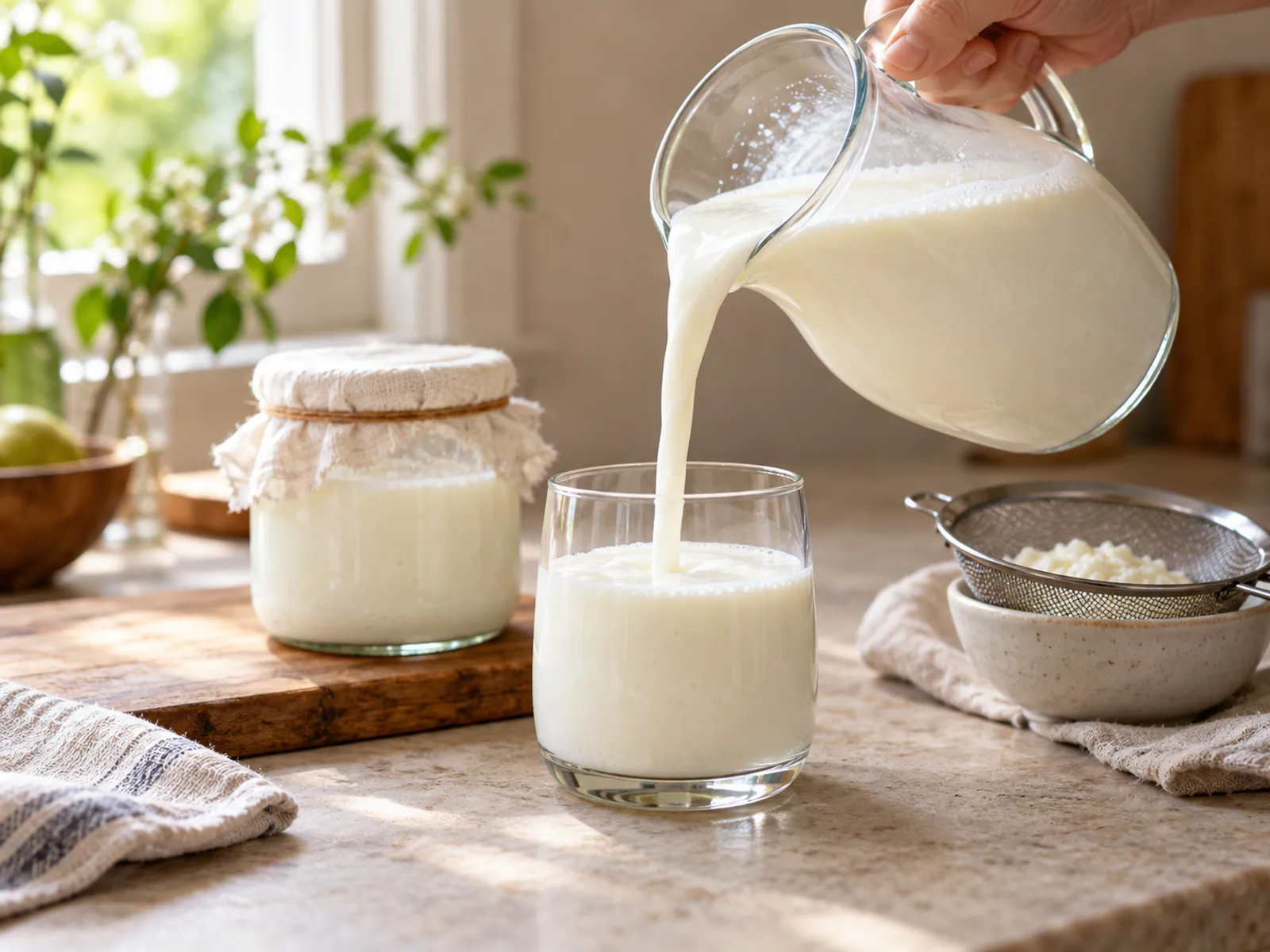
- Plain Kefir: How to Make It, Flavor It, and Use It Kefir · Plain kefir is unsweetened, unflavored milk kefir with a tangy, fizzy edge. How to make plain kefir at home, the grains-to-milk ratio, ferment time, storage, and easy ways to use it.
- Oat Milk Kefir: How to Make It Kefir · How to culture kefir in oat milk, why it separates, how much sugar to add, and how to keep live grains healthy if you make it regularly.
Cheese
24 recipe guides
- How to Make Halloumi at Home: Squeaky Grilling Cheese Cheese · Homemade halloumi: set milk with rennet at 32°C, cut and cook the curds, press, then poach the slabs in hot whey until they float. Rennet per litre, timings, salting and brine, and why halloumi does not melt.
- How to Make Paneer at Home: Easy Paneer Recipe Cheese · Homemade paneer from whole milk: bring it to a boil, curdle with lemon juice or vinegar, drain, rinse and press for 1–2 hours. Amounts per litre, yield, pressing times, and why paneer goes crumbly.
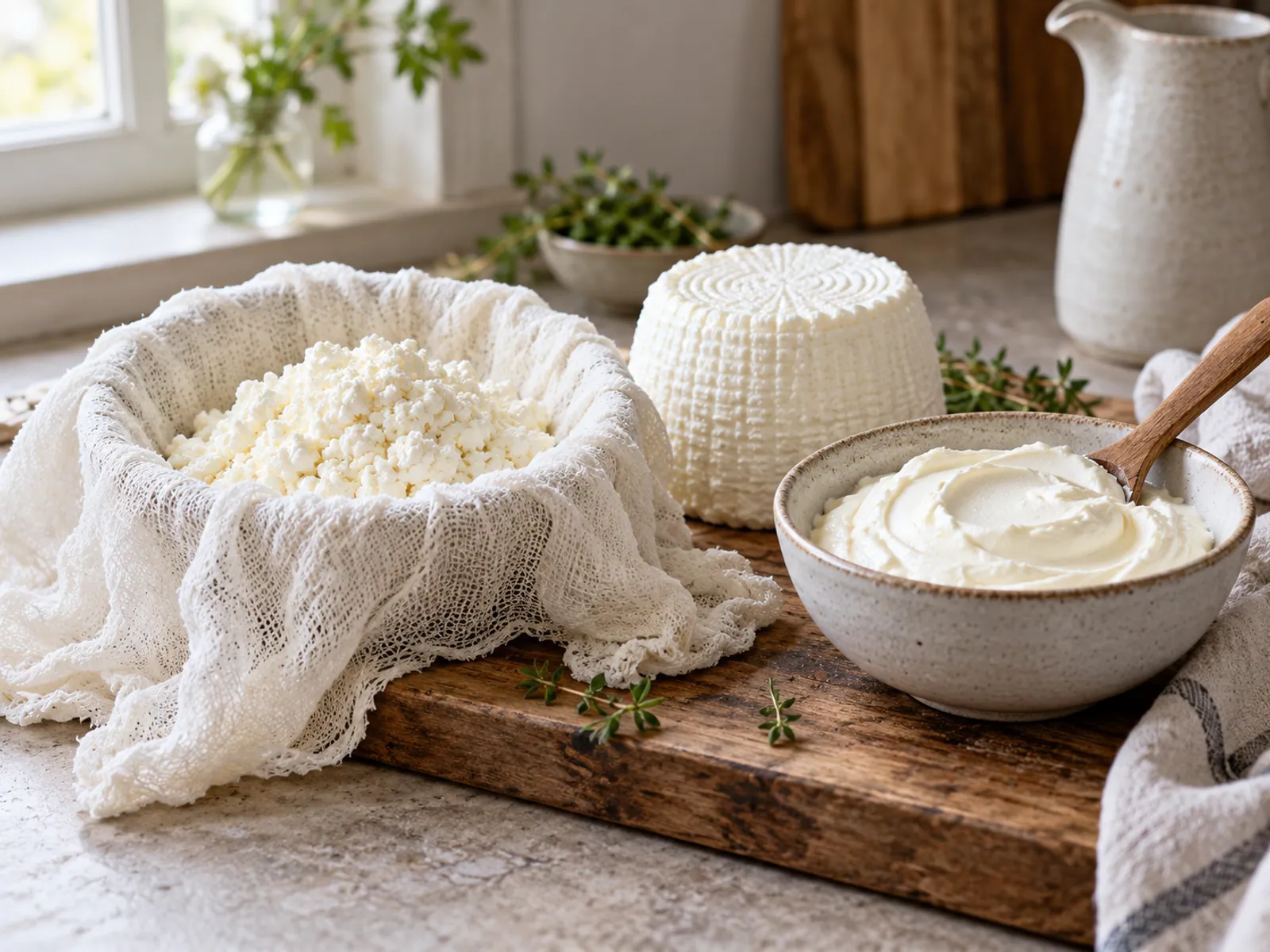
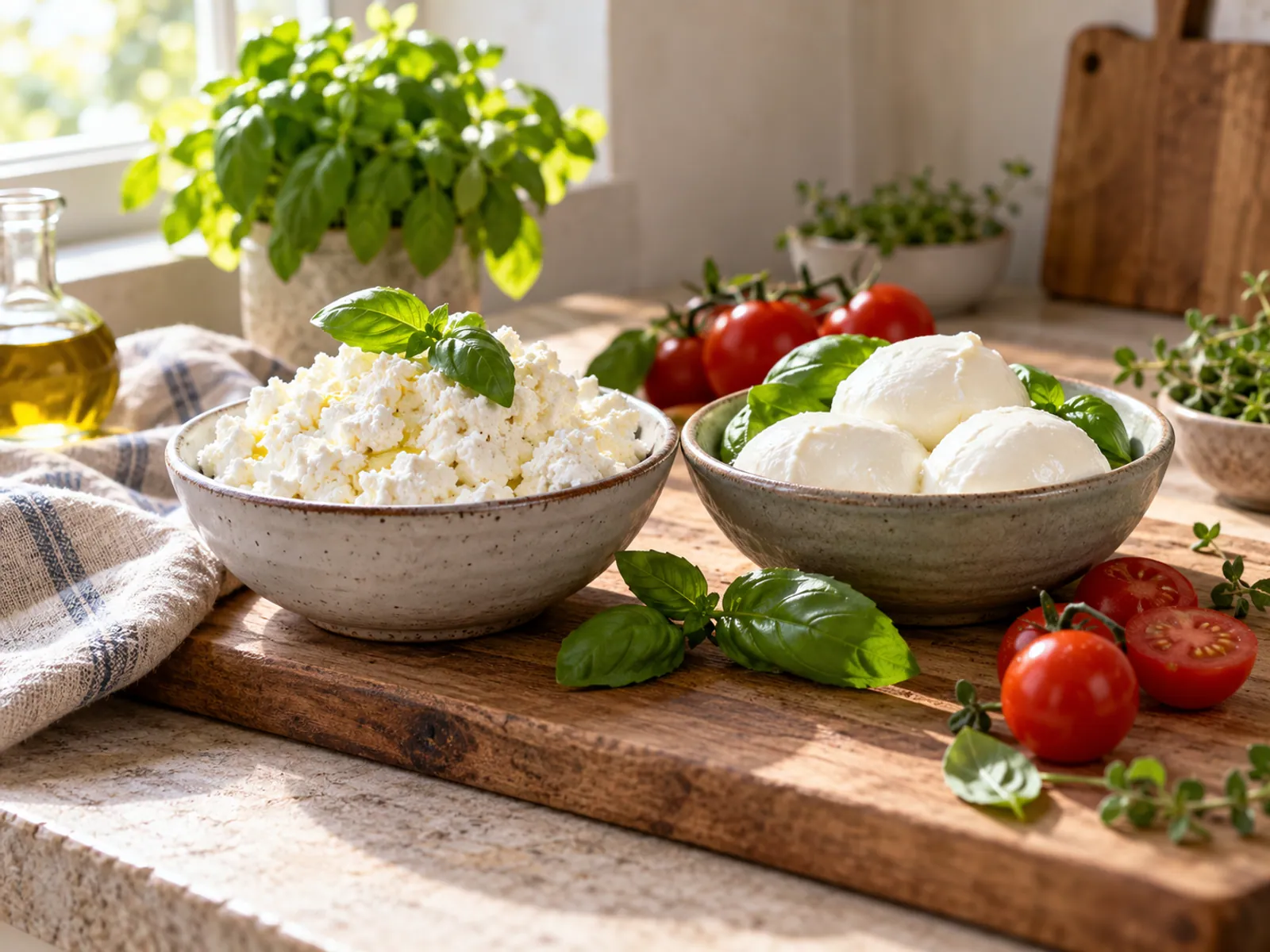
- How to Make Ricotta: Easy Homemade Ricotta Recipe Cheese · Homemade ricotta from whole milk: heat to 85–90°C, add lemon juice or vinegar, rest, and drain. Ingredients per litre, yield, draining times for soft or firm ricotta, and whey ricotta explained.
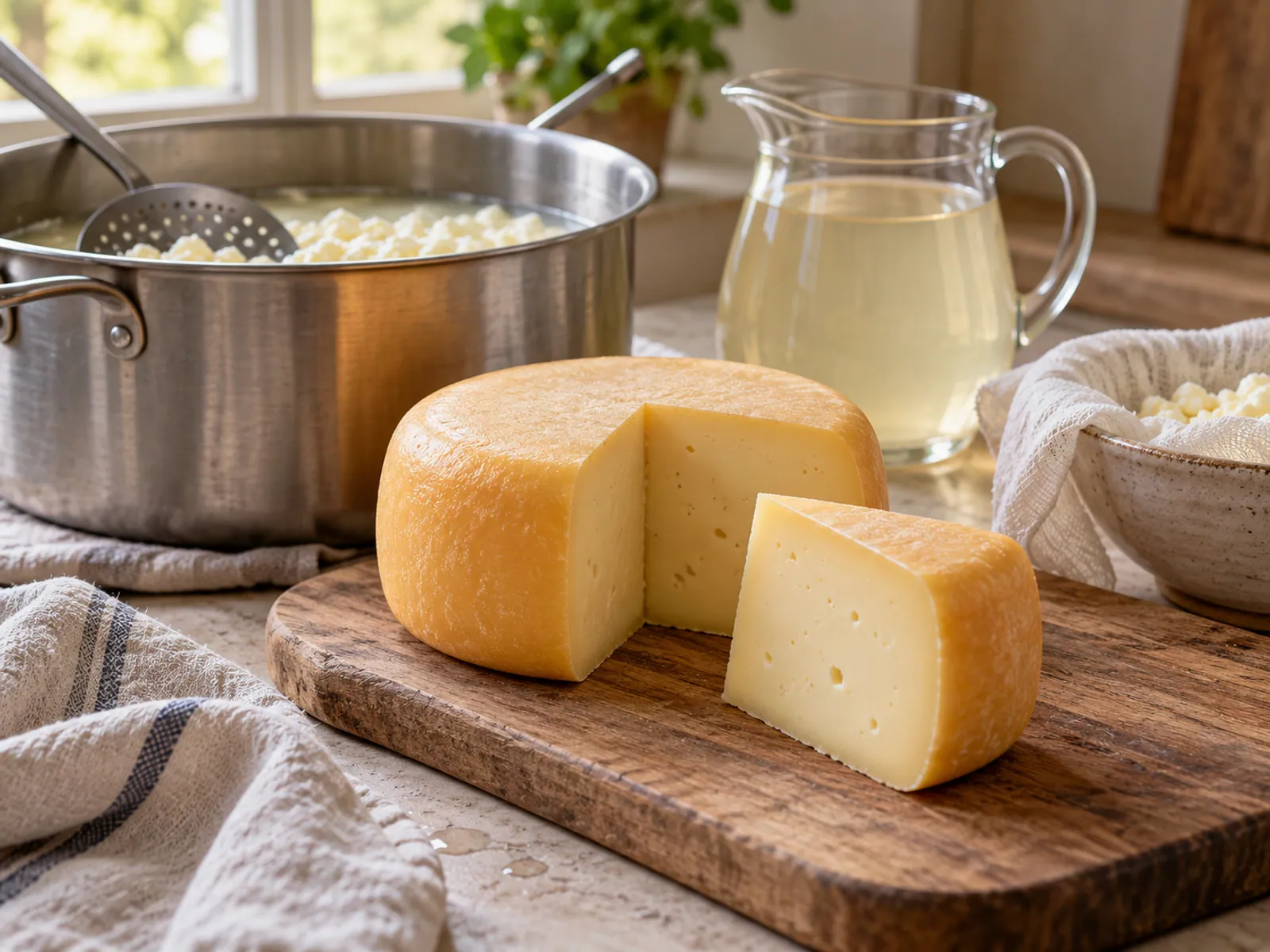
- How to Make Gouda Cheese at Home Cheese · A complete guide to making Gouda cheese at home — the washed-curd technique that makes it sweet and elastic, a full step-by-step recipe, brining, waxing, aging levels, and troubleshooting.
- Mascarpone Substitute: 8 Best Swaps & a DIY Recipe Cheese · The best substitutes for mascarpone in tiramisu, cheesecake, sauces, and frosting — ranked by how closely they match, plus how to make your own mascarpone from cream and acid.
- How to Make Fresh Cheese at Home: A Beginner's Guide Cheese · Fresh cheese is unaged cheese you can make the same day. Learn the main types, whether each is acid-set or culture-set, the milk to use, and the basic drain-and-salt method.
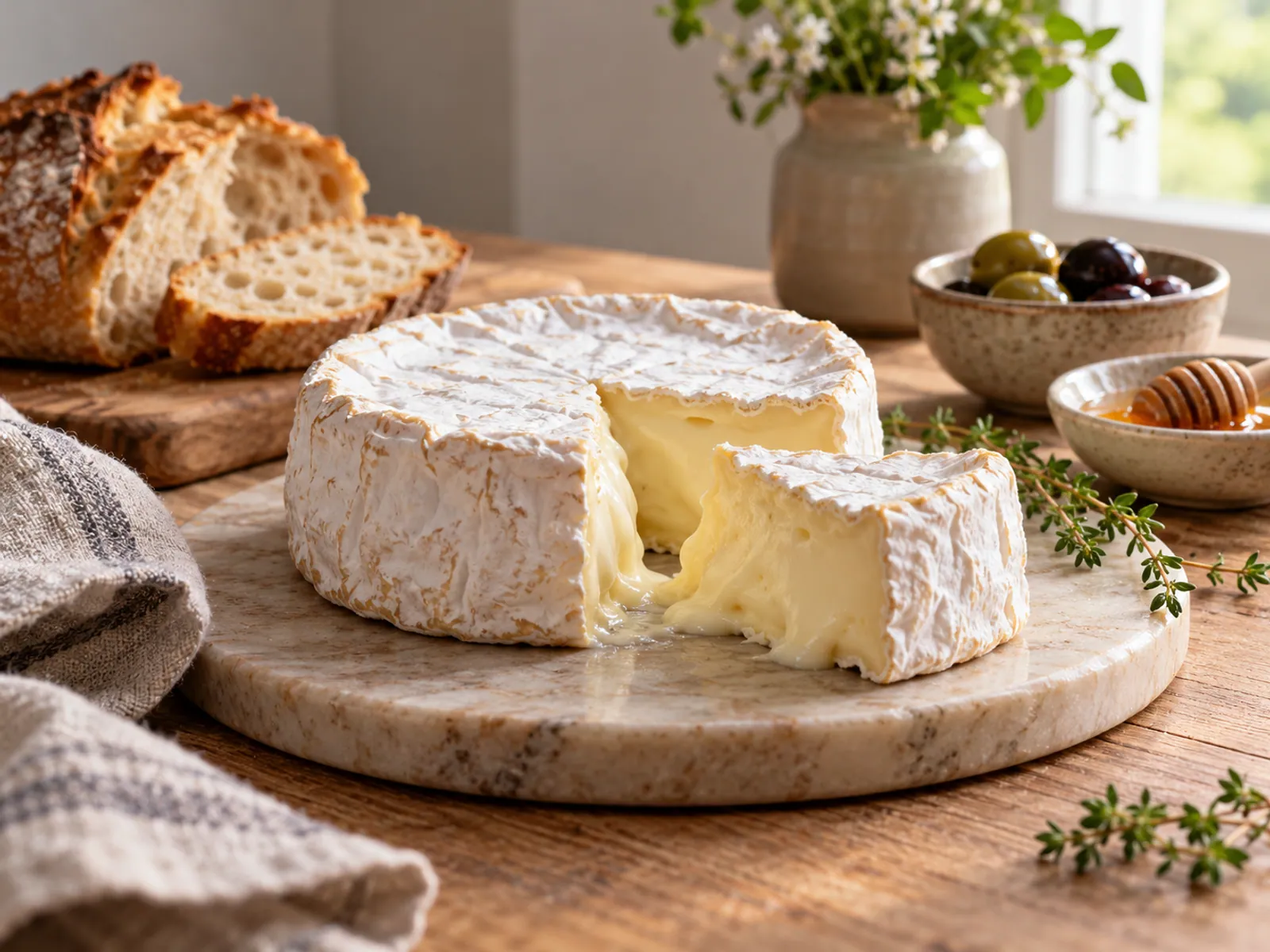
- How to Make Camembert Cheese at Home Cheese · Make bloomy-rind Camembert cheese at home: the milk, cultures, and mold spores you need, the gentle ladled curd, salting, and the ripening timeline that grows the white rind.
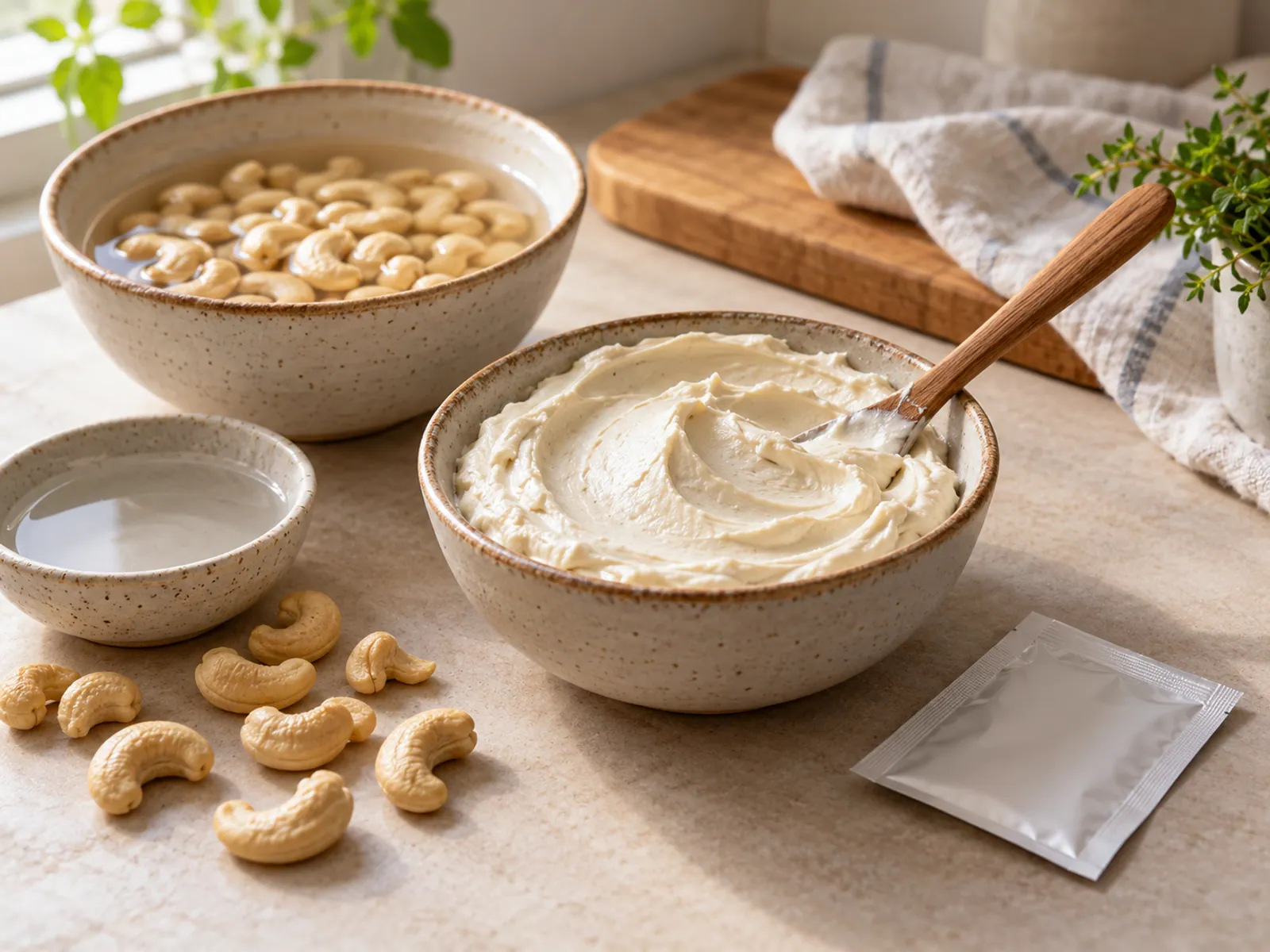
- How to Make Cultured Vegan Cream Cheese Cheese · Make genuinely cultured vegan cream cheese at home: soak and blend cashews or tofu, ferment with rejuvelac, probiotic capsules, or live non-dairy yogurt, then salt and flavour to taste.
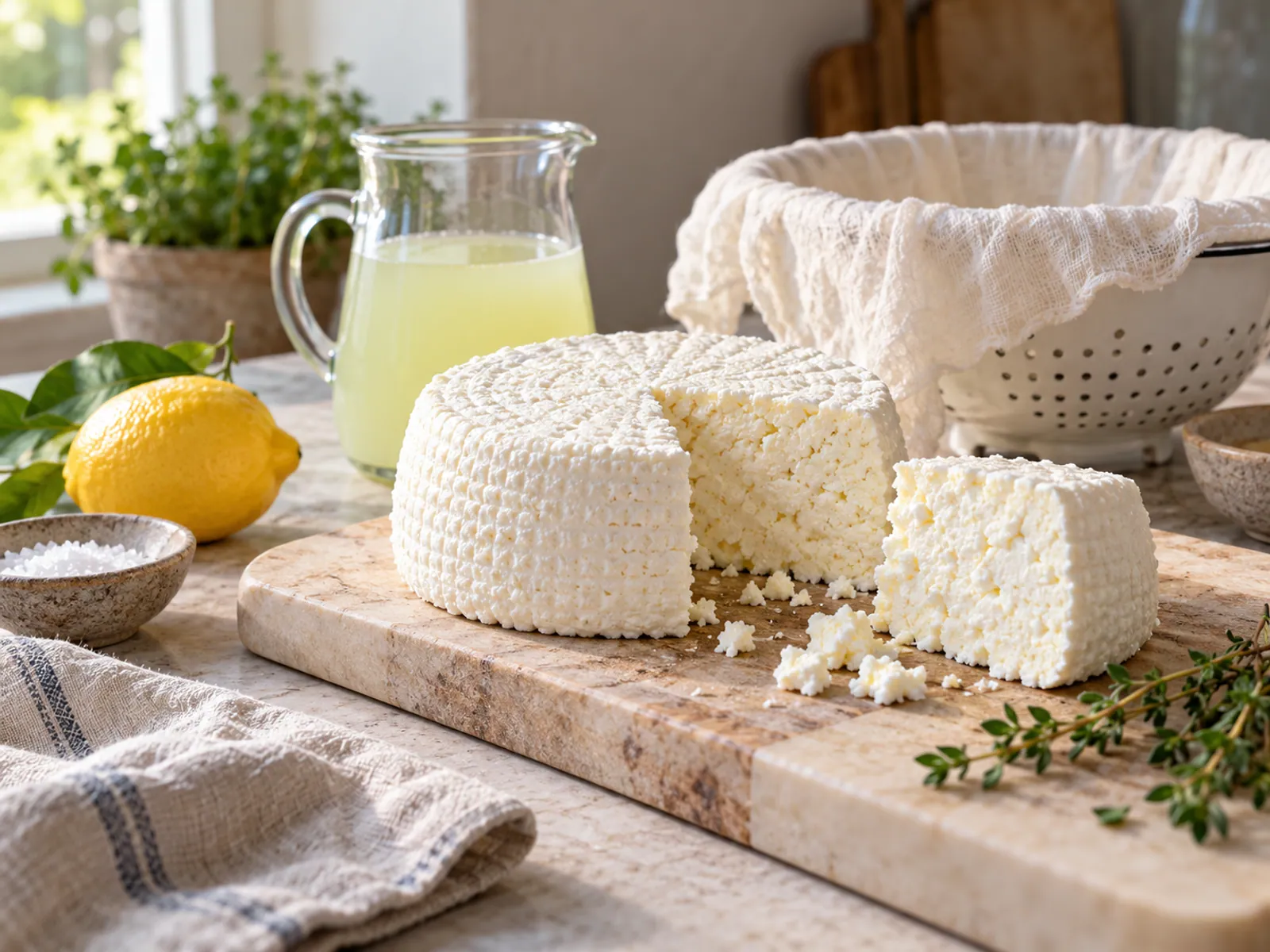
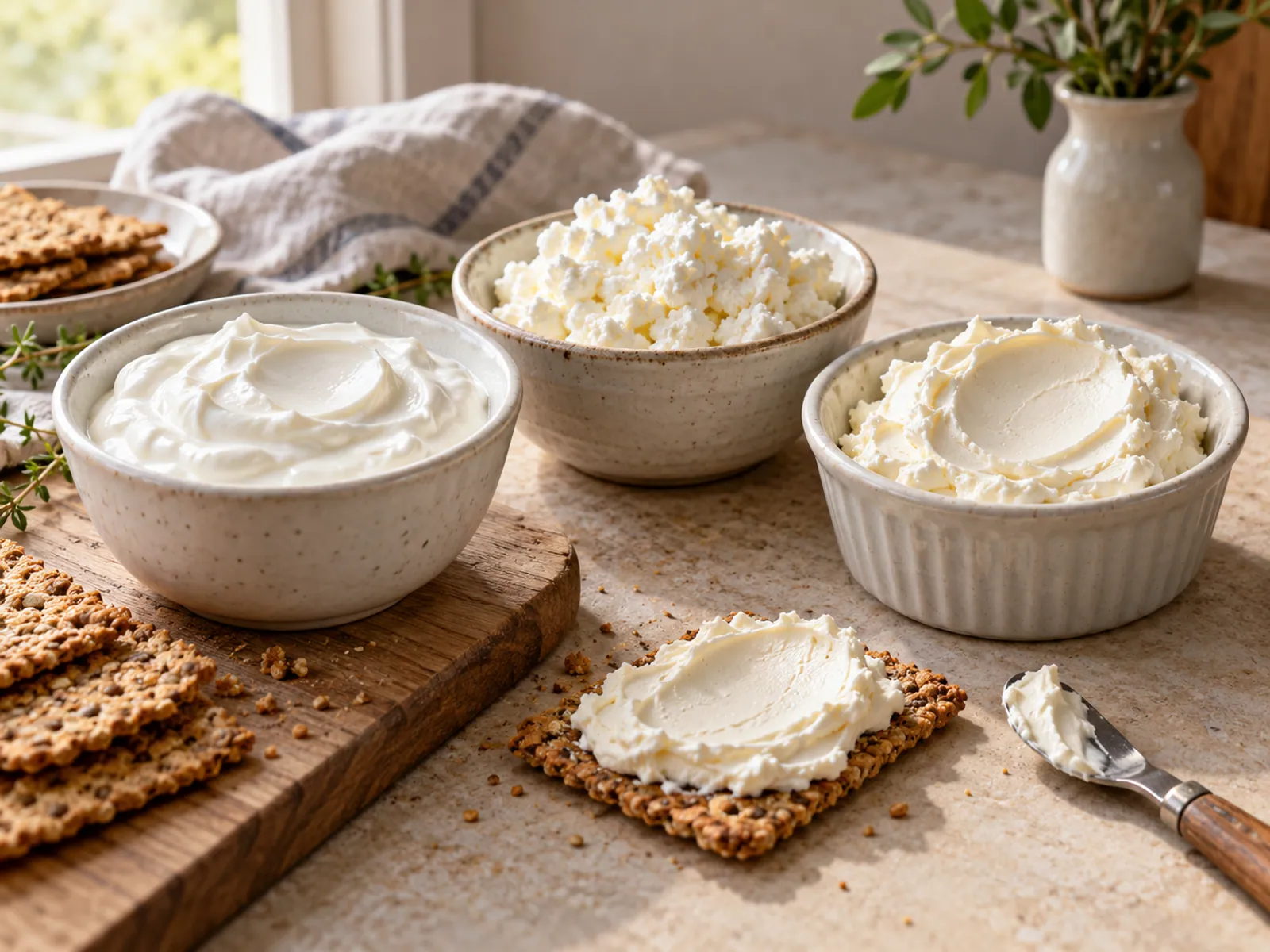
- Farmer's Cheese: What It Is and How to Make It Cheese · Farmer's cheese is a fresh, acid-set cheese you can make in 30 minutes with milk and an acid. Learn the method, the milk that works, how firm to drain it, and how it differs from cottage cheese, paneer, and quark.
- How to Make Quark Cheese at Home Cheese · Quark is a smooth, tangy, culture-set fresh cheese — the German cousin of cottage cheese and cream cheese. Learn the mesophilic method, fermentation time and temperature, how to drain it, and how to use it sweet or savoury.
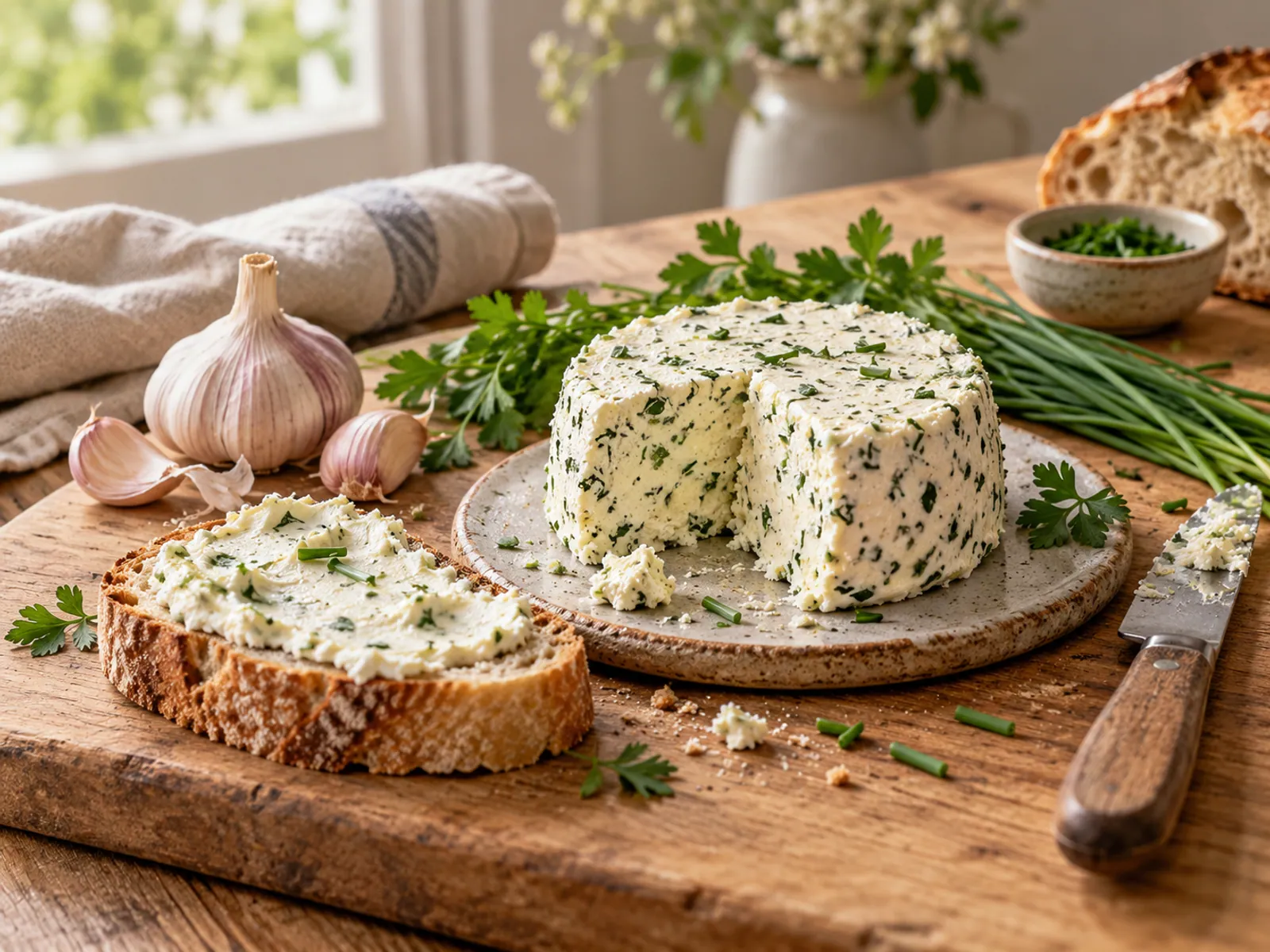
- Boursin Cheese: What It Is & How to Make It at Home Cheese · Everything about Boursin cheese — what it is, how it's made, a from-scratch Gournay-style recipe with real fermentation, uses in cooking, and how it compares to cream cheese.
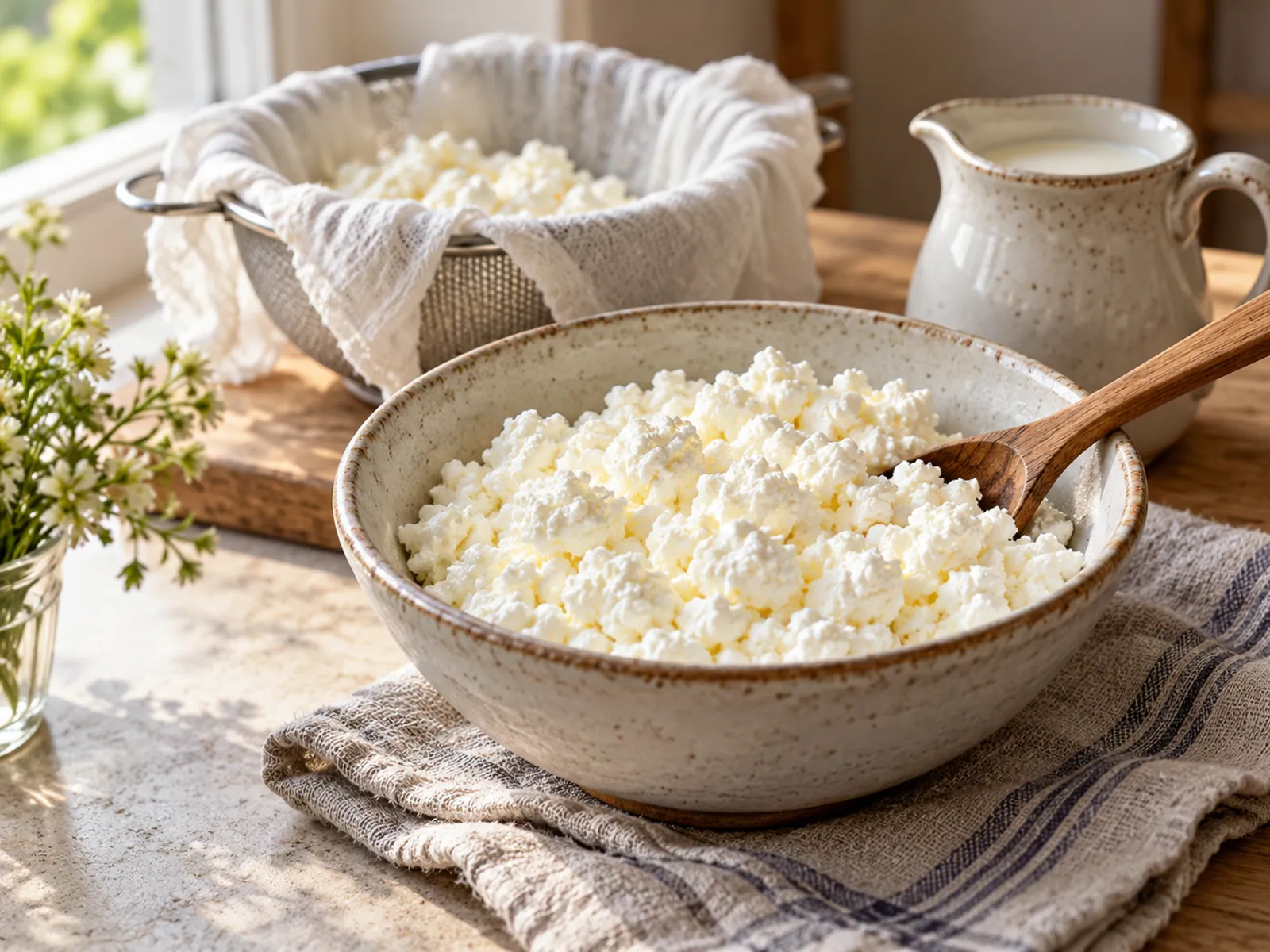
- Cottage Cheese: What It Is & How to Make It at Home Cheese · Everything about cottage cheese: what it is, how to make it at home with two methods, small vs large curd, the cream dressing, nutrition, and how it compares to ricotta.
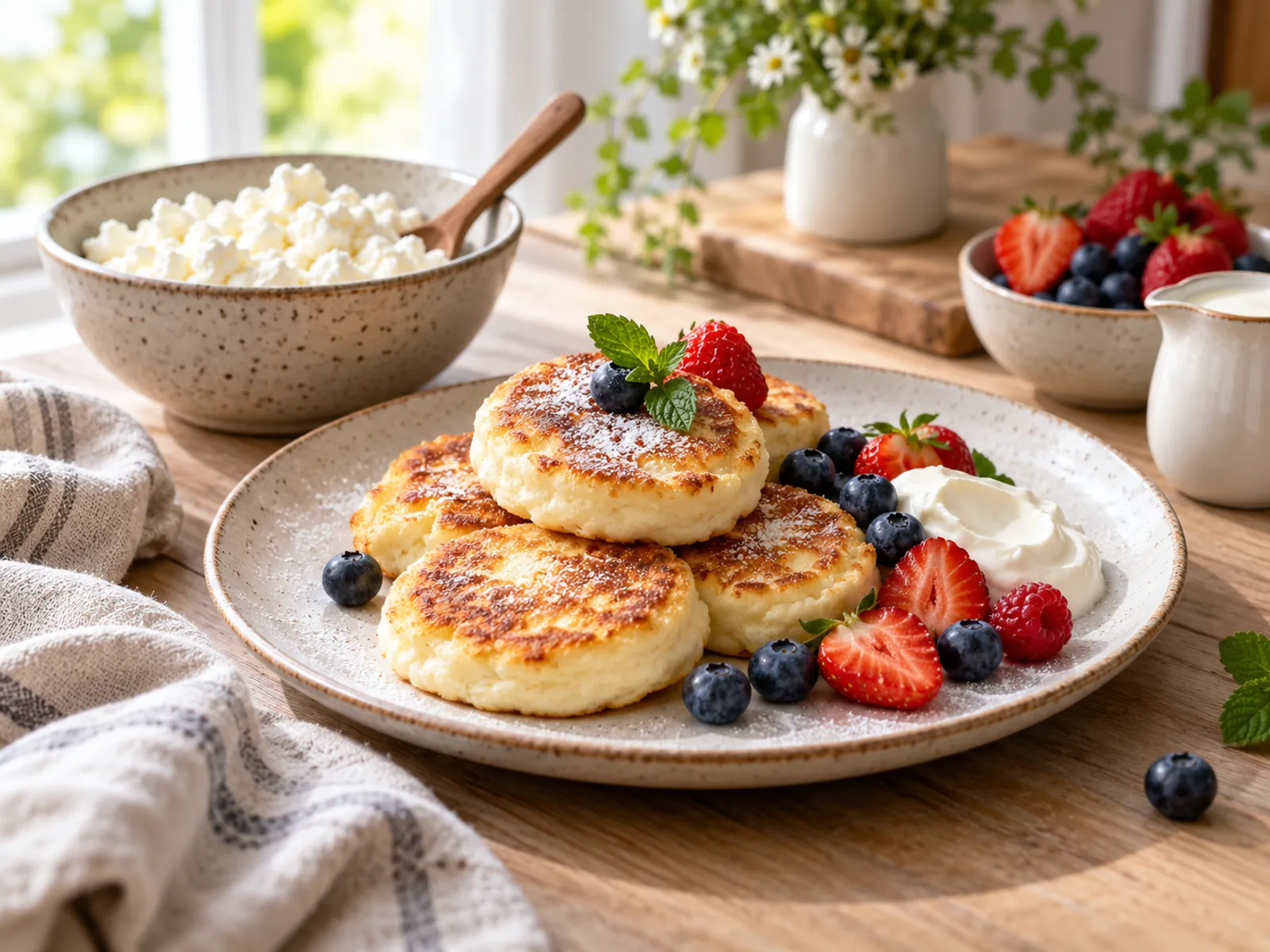
- Cottage Cheese Recipes & How to Dry Cottage Cheese Curds Cheese · Cottage cheese recipes for every meal — high-protein bowls, pancakes, lasagna, smoothies, and dips — plus how to make and dry cottage cheese curds at home.
- Cream Cheese Substitute: 8 Best Alternatives for Any Recipe Cheese · The best substitutes for cream cheese in baking, cooking, spreads, and frostings — ranked by how closely they match, with dairy and dairy-free options.
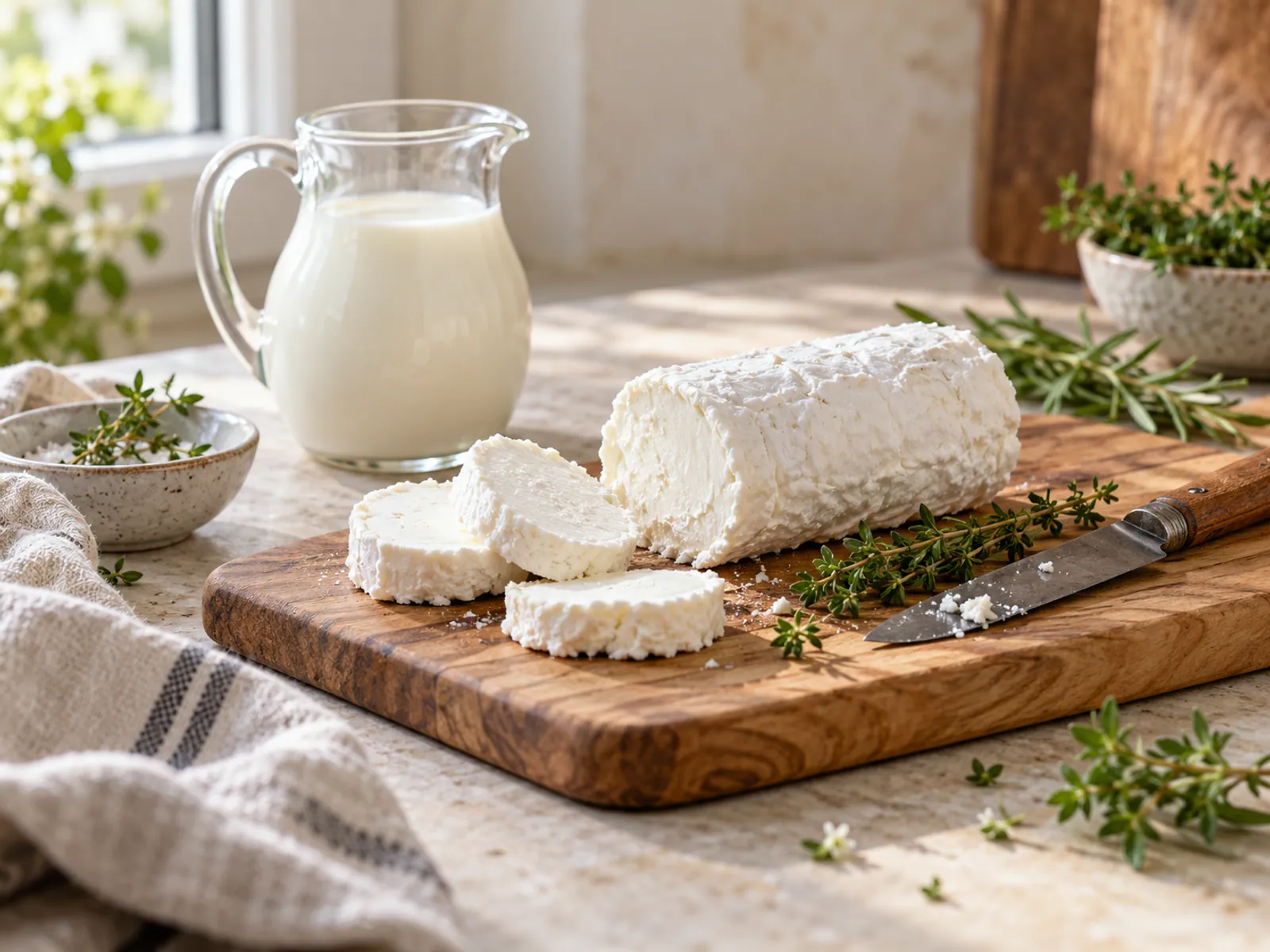
- Goat Milk Cheese: Types, How to Make It & Beginner Recipes Cheese · A complete guide to goat milk cheese — what makes it different from cow milk cheese, the major types (chevre, feta, Bucheron), how to make goat cheese at home, and flavor profiles.
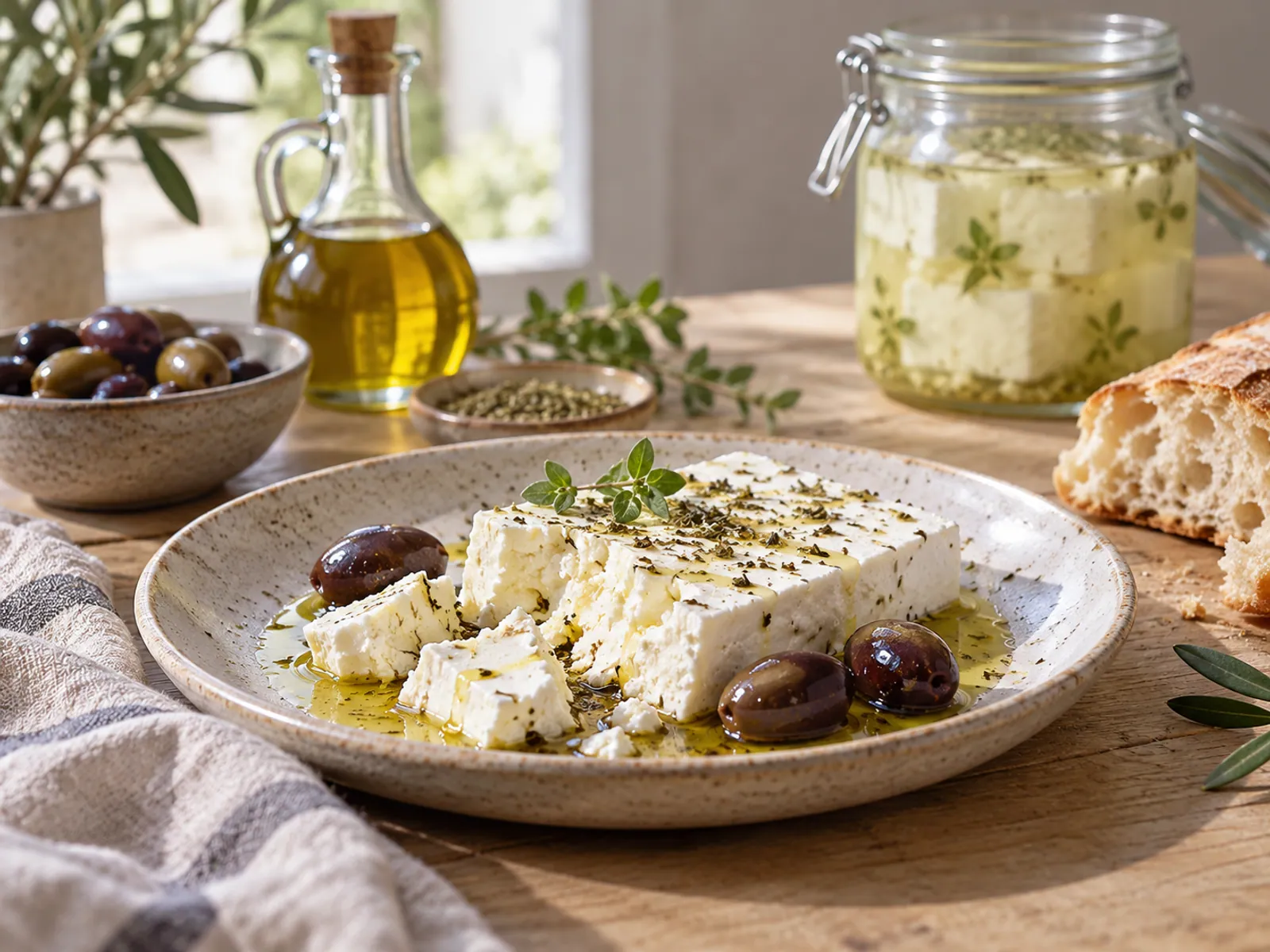
- Greek Feta Cheese: How It's Made, PDO Rules & How to Make It at Home Cheese · Everything about Greek feta cheese — what makes it authentically Greek, the PDO rules, how it's made from sheep and goat milk, a home recipe, and how it compares to other feta styles.
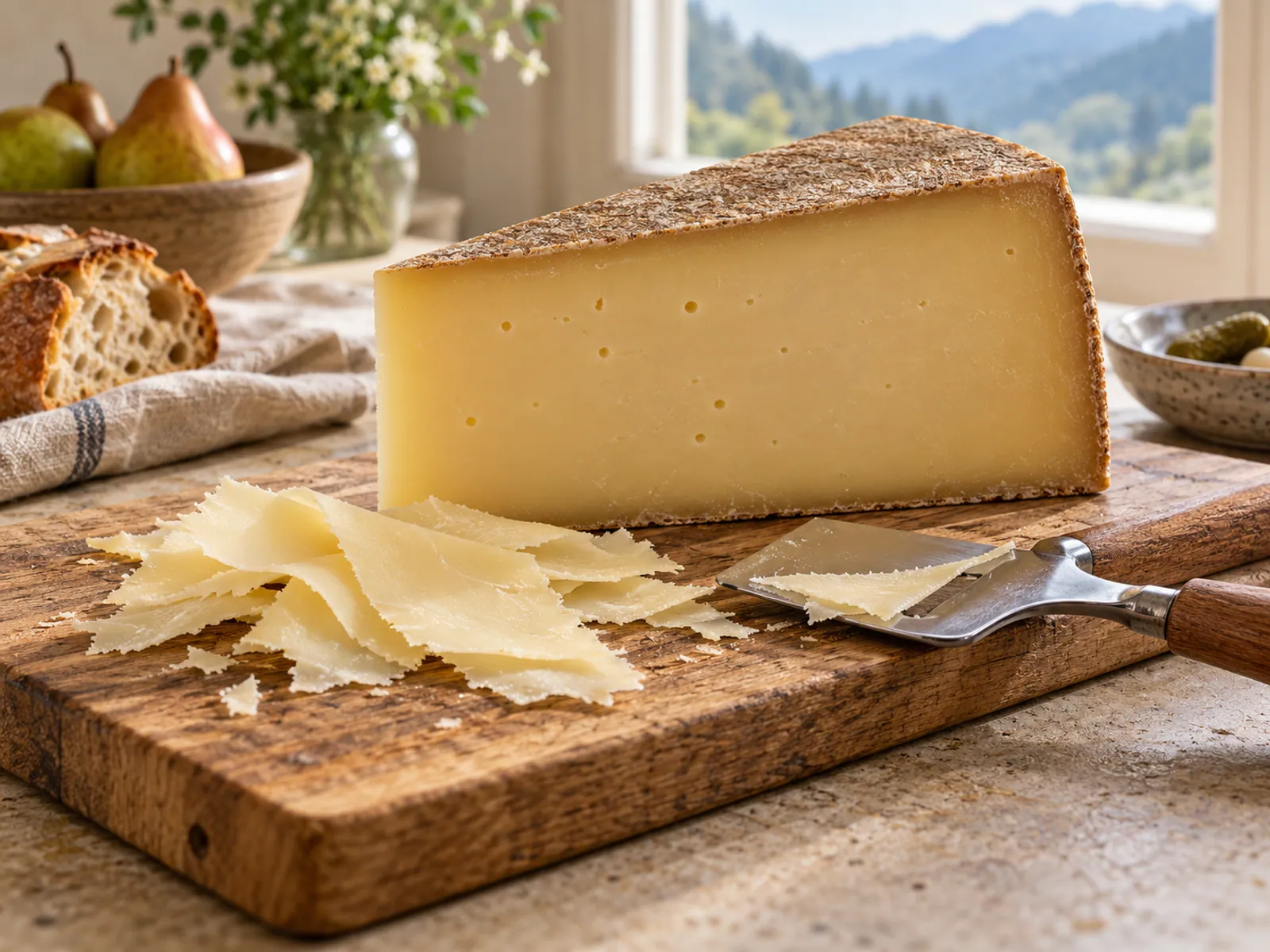
- How to Make Gruyere Cheese at Home Cheese · Everything about Gruyere cheese — its Alpine origins, the step-by-step home recipe, aging stages, the signature eye formation, equipment, and how it compares to Swiss and Emmental.
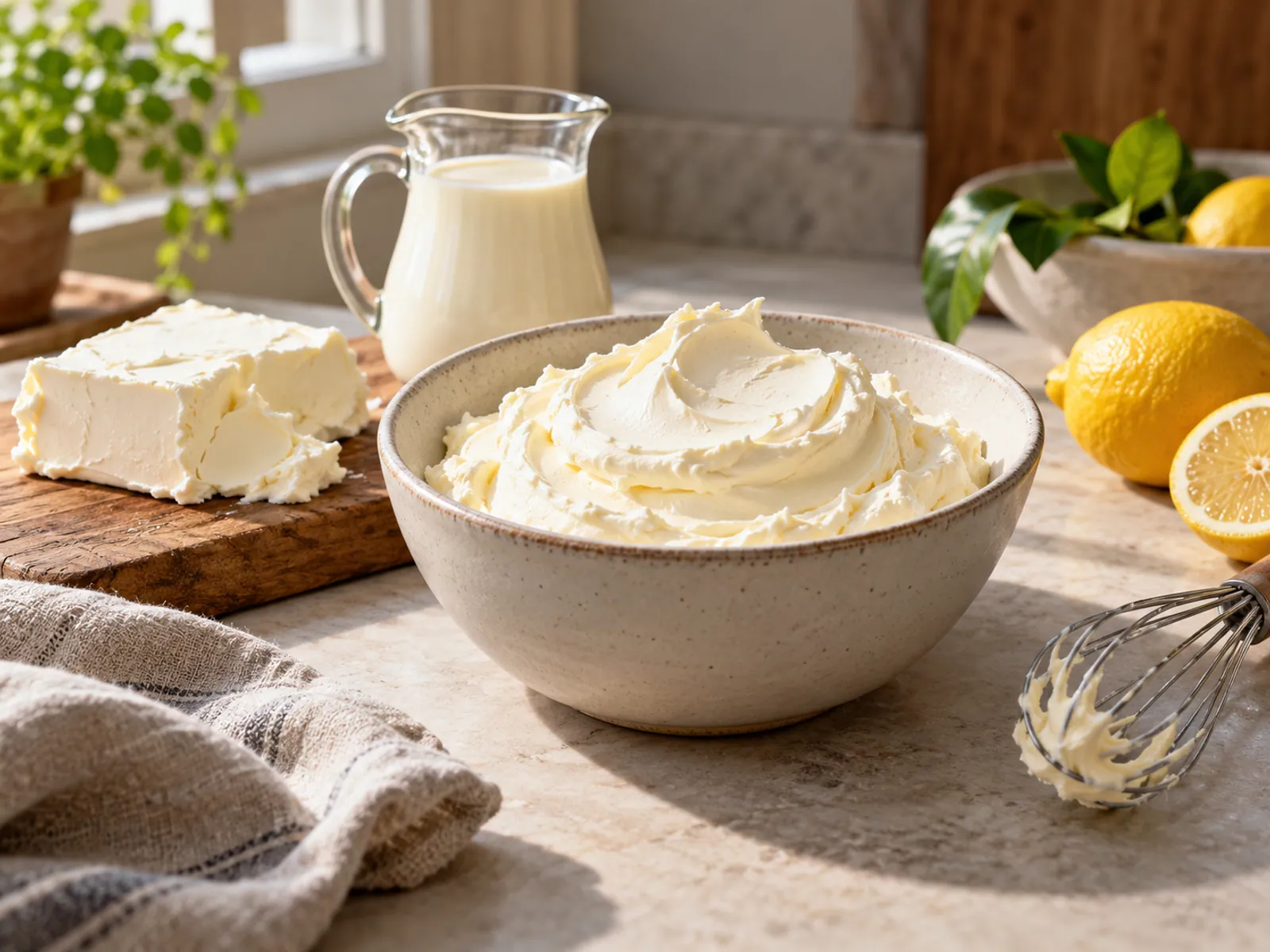
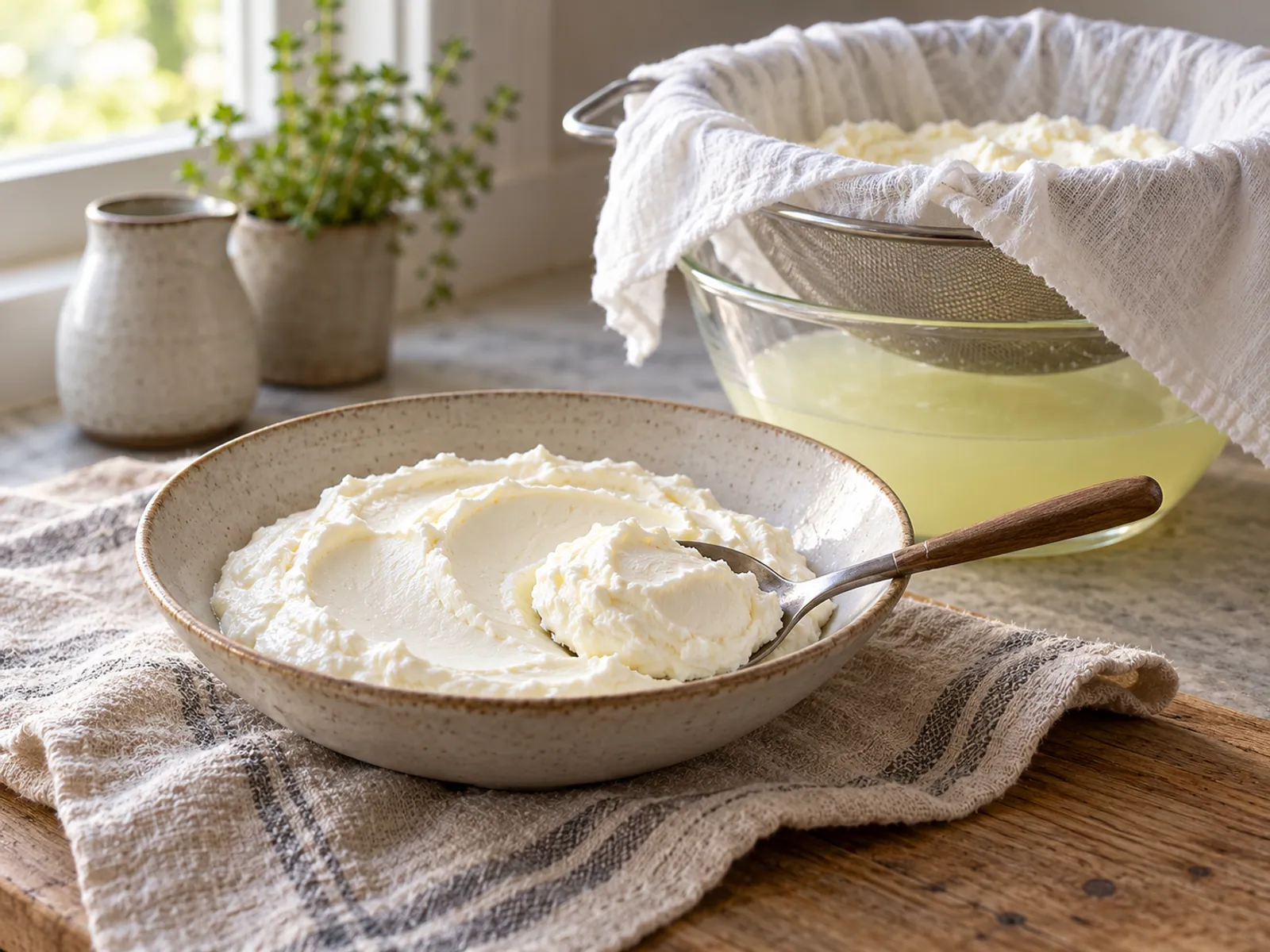
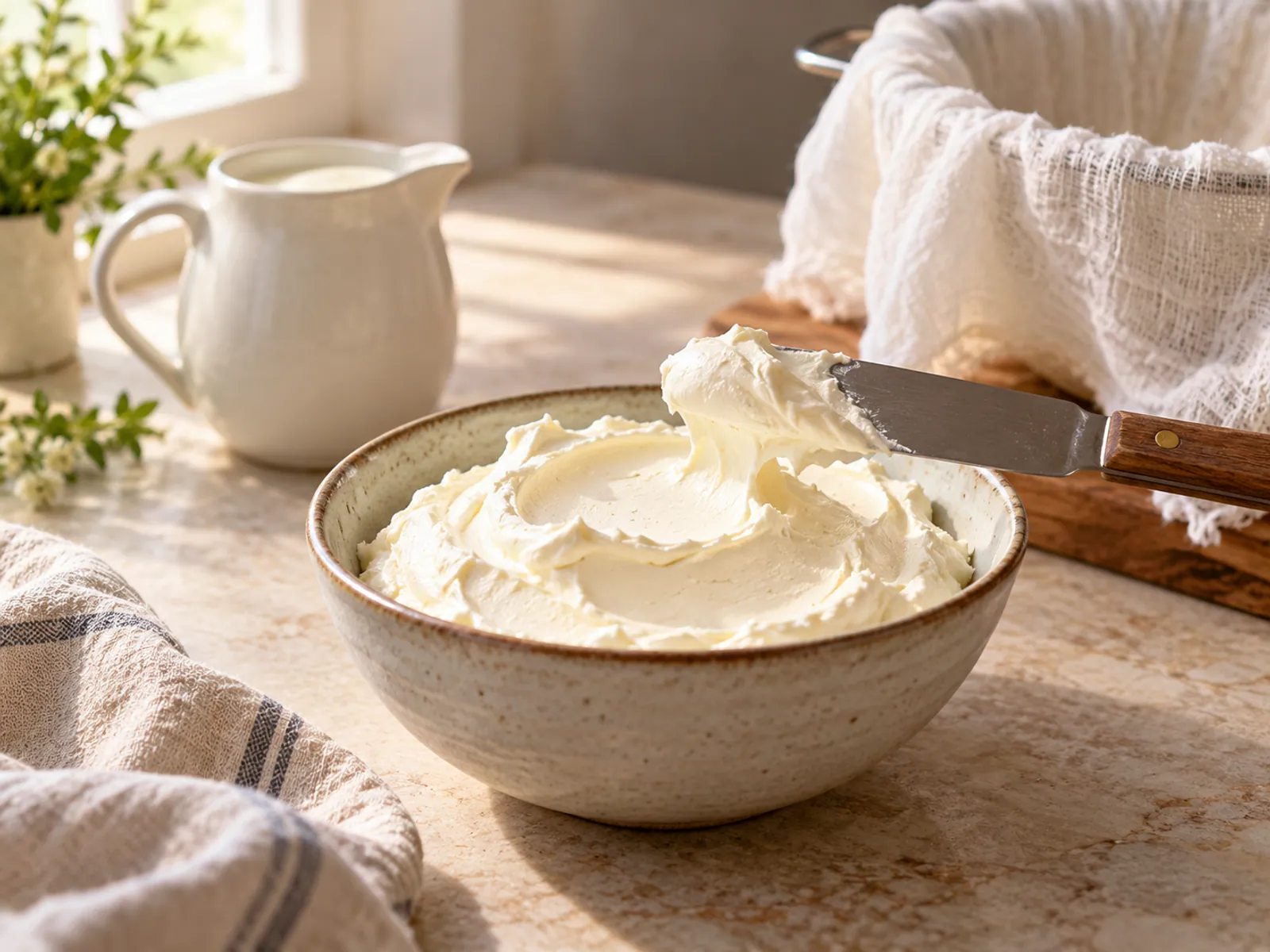
- Homemade Cream Cheese: How to Make Cream Cheese at Home (2 Ingredients) Cheese · How to make cream cheese at home with just milk and cream — the full cultured method, a quick acid shortcut, tips for the smoothest texture, and how to flavor it.
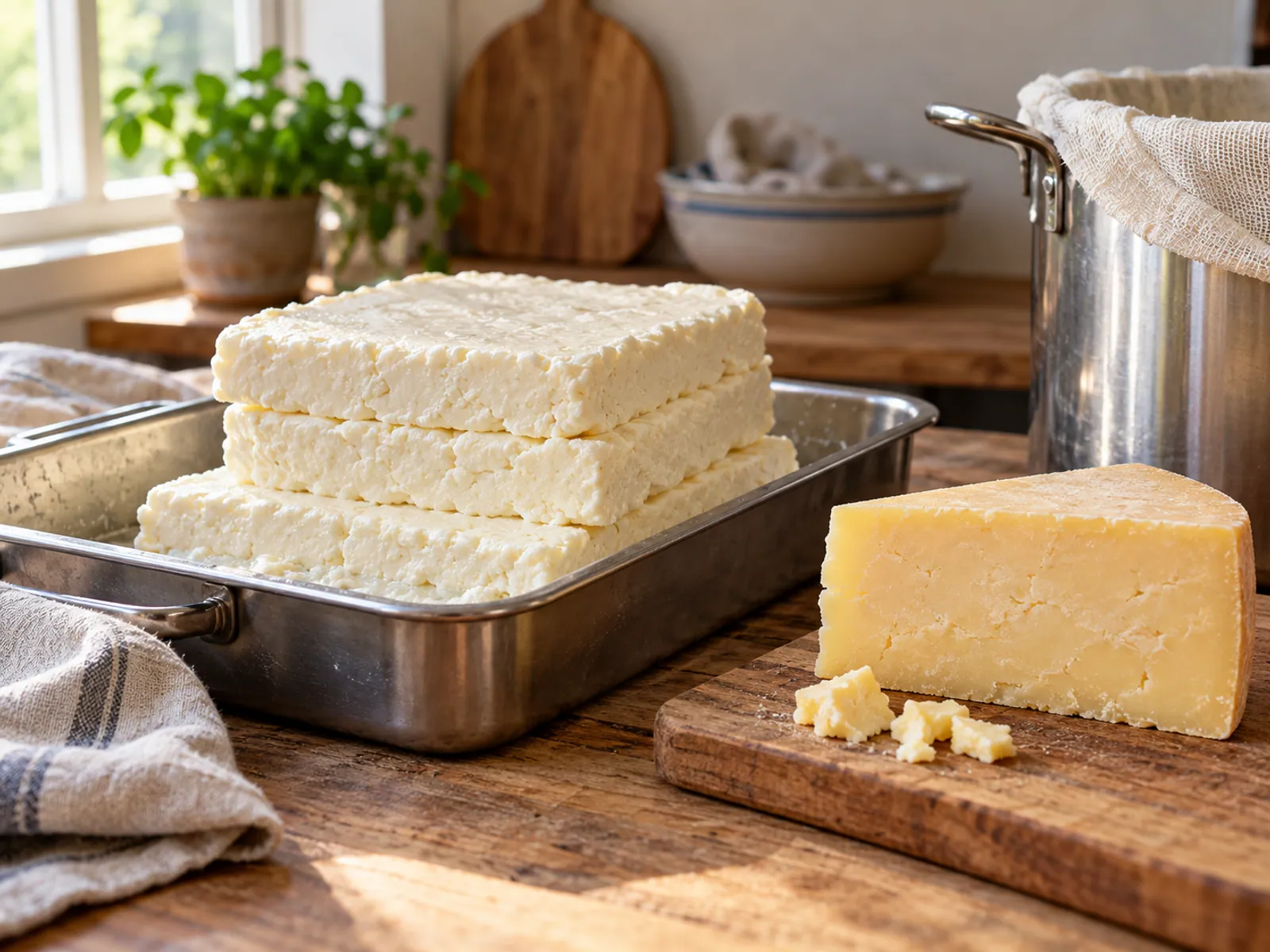
- How to Make Cheddar Cheese at Home Cheese · A complete guide to making cheddar cheese at home — the cheddaring technique, step-by-step process, aging levels, equipment, troubleshooting, and bandaged vs waxed finishing.
- Low Sodium Cheese: Best Options, How Much Salt Is in Cheese & Low-Salt Recipes Cheese · A guide to low-sodium cheese — which cheeses are naturally low in salt, how to reduce sodium in homemade cheese, the best store-bought options, and why salt matters in cheesemaking.
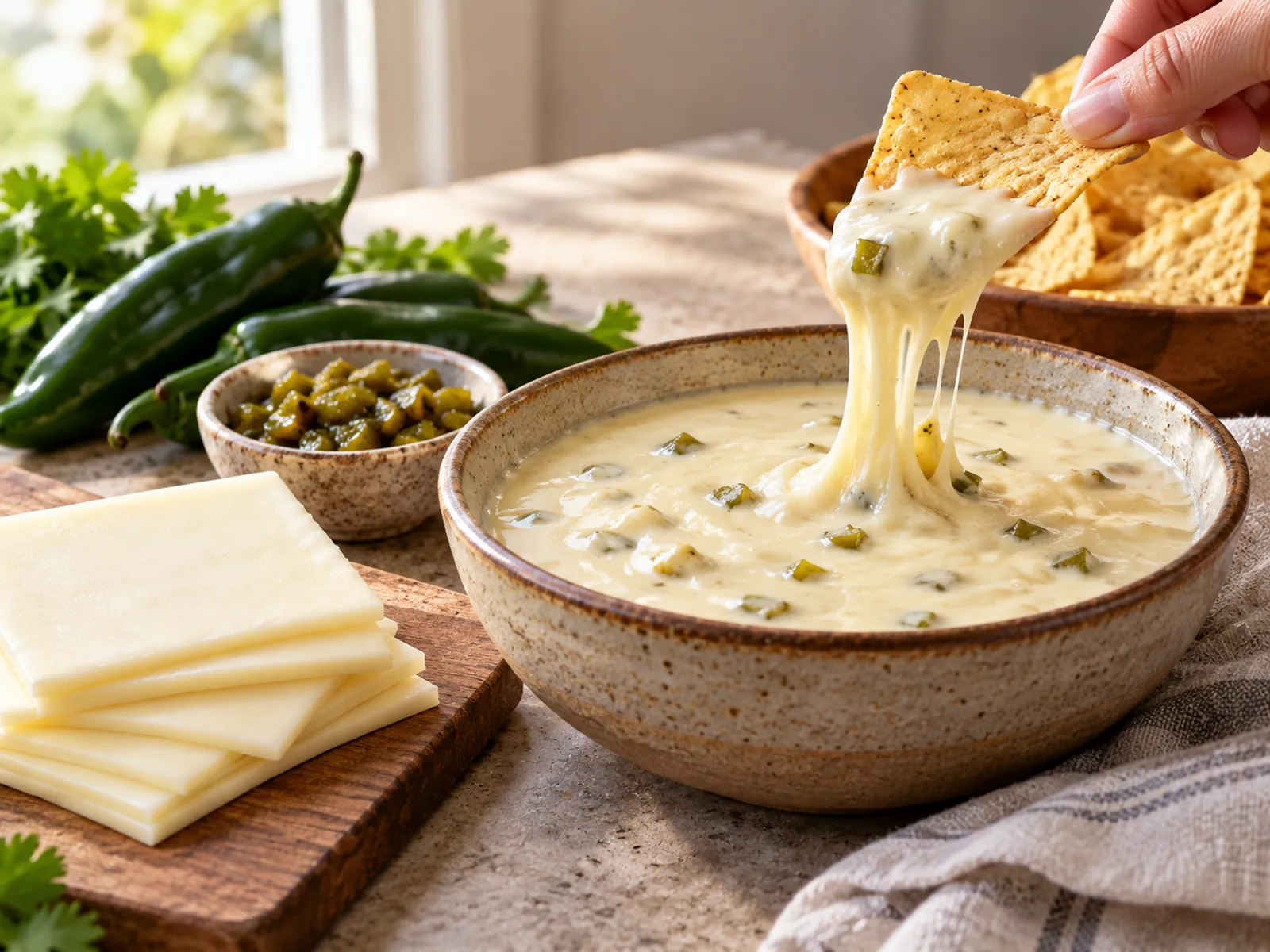
- White American Cheese Queso: Recipe, Dip & What Makes It Melt Cheese · Everything about white American cheese queso — what white American cheese is, why it melts so perfectly, the classic queso dip recipe, and how it compares to yellow American and Velveeta.
- How to Make Cheese from Milk at Home Cheese · A thorough beginner's guide to turning milk into real cheese at home, from the two curdling routes to a 30-minute first batch you can make tonight.
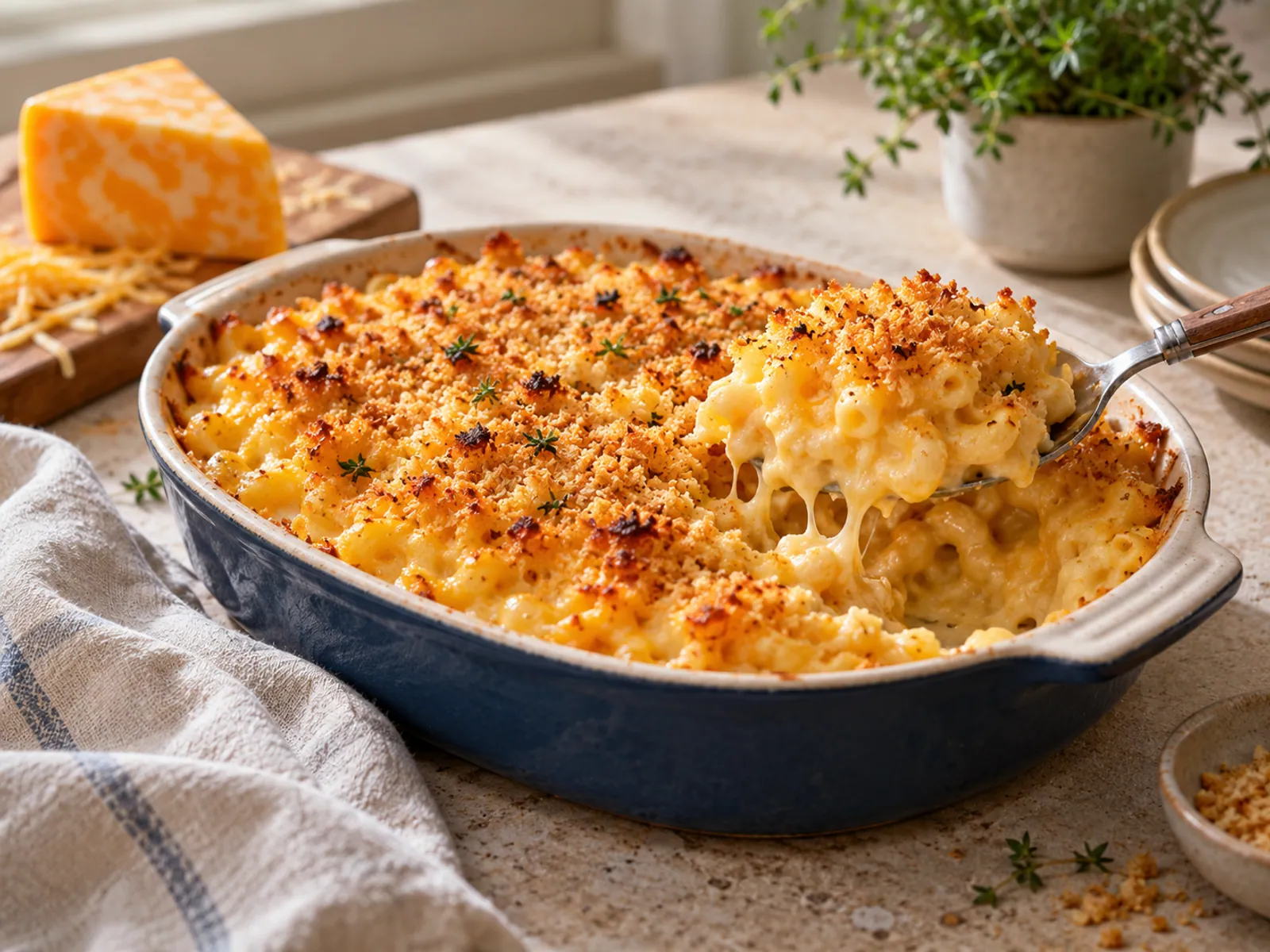
- Colby & Colby Jack Mac and Cheese Recipes Cheese · How to build a smooth, creamy mac and cheese with Colby and Colby Jack, plus tested stovetop and baked recipes with exact ratios.
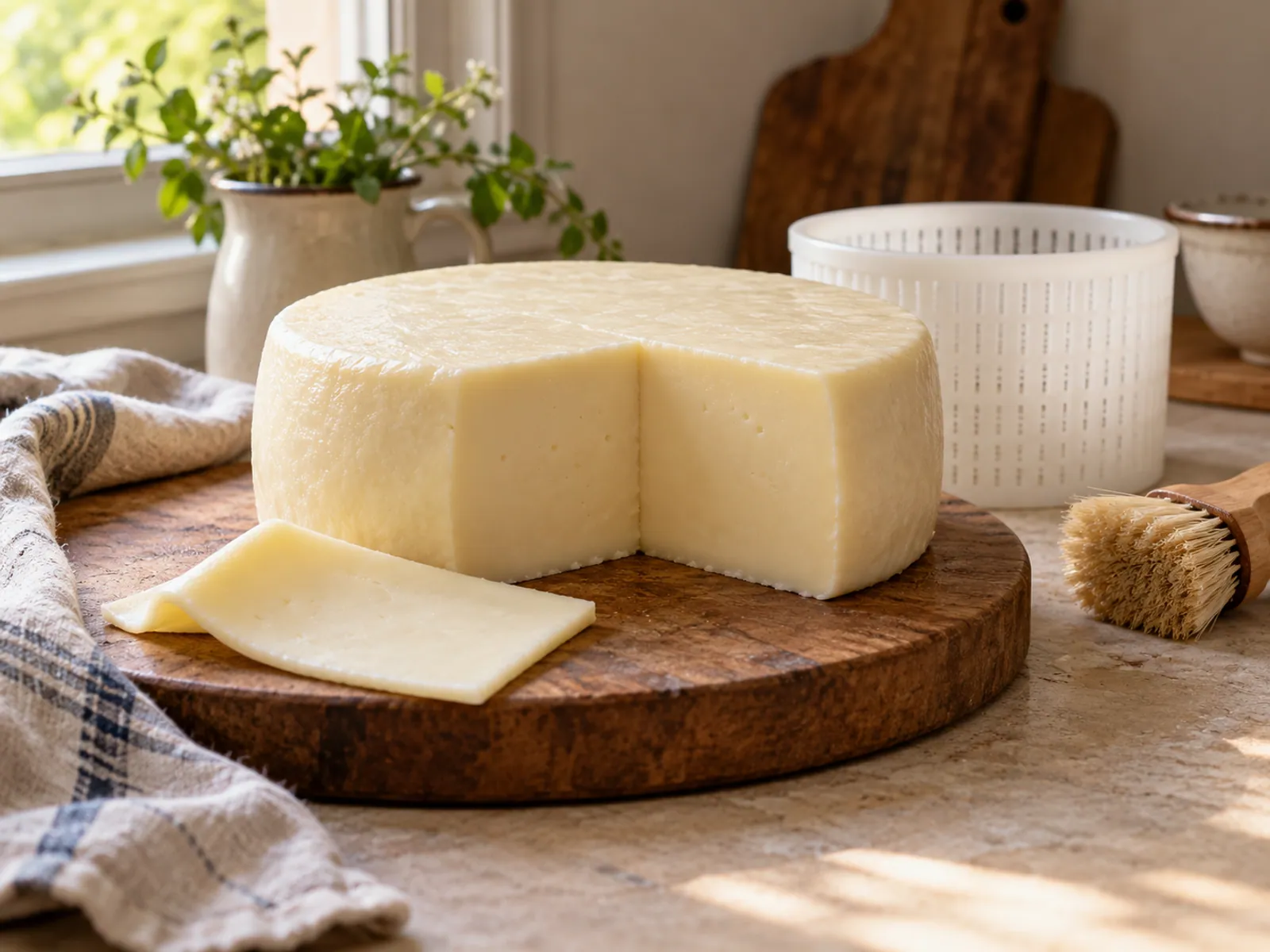
- Monterey Jack Cheese Recipe Cheese · A step-by-step Monterey Jack cheese recipe, from warming the milk to washing the curd and aging the wheel for a mild, springy, easy-melting result.
Brine & Pickling
20 recipe guides
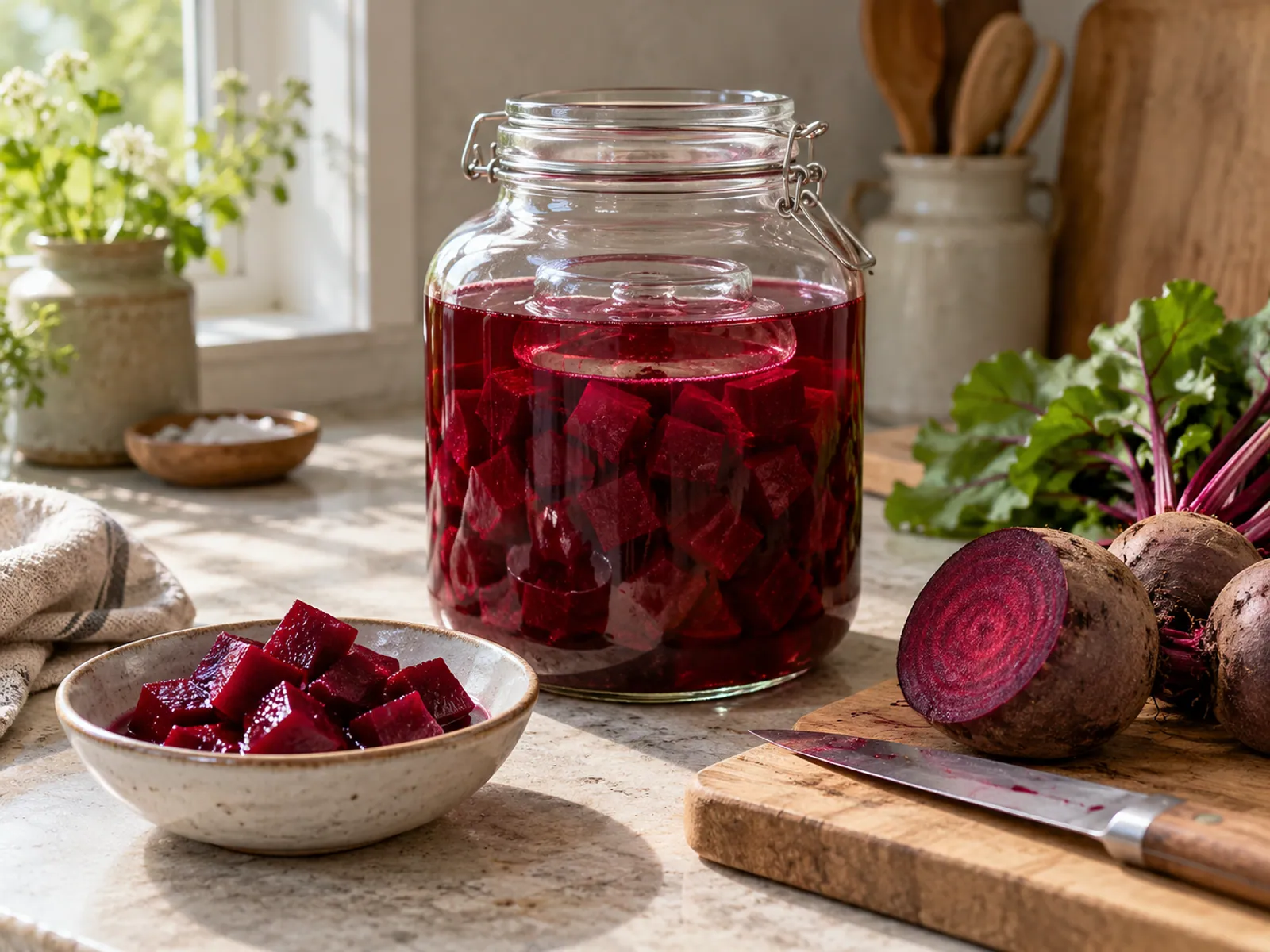
- Fermented Beets (Beetroot): Lacto-Fermented Recipe Brine & Pickling · How to make fermented beets: raw beets in a 2–3% salt brine for 1–2 weeks, or grated beets dry-salted at 2%. Salt amounts, timing, flavour additions, and how to avoid a yeasty, alcoholic batch.
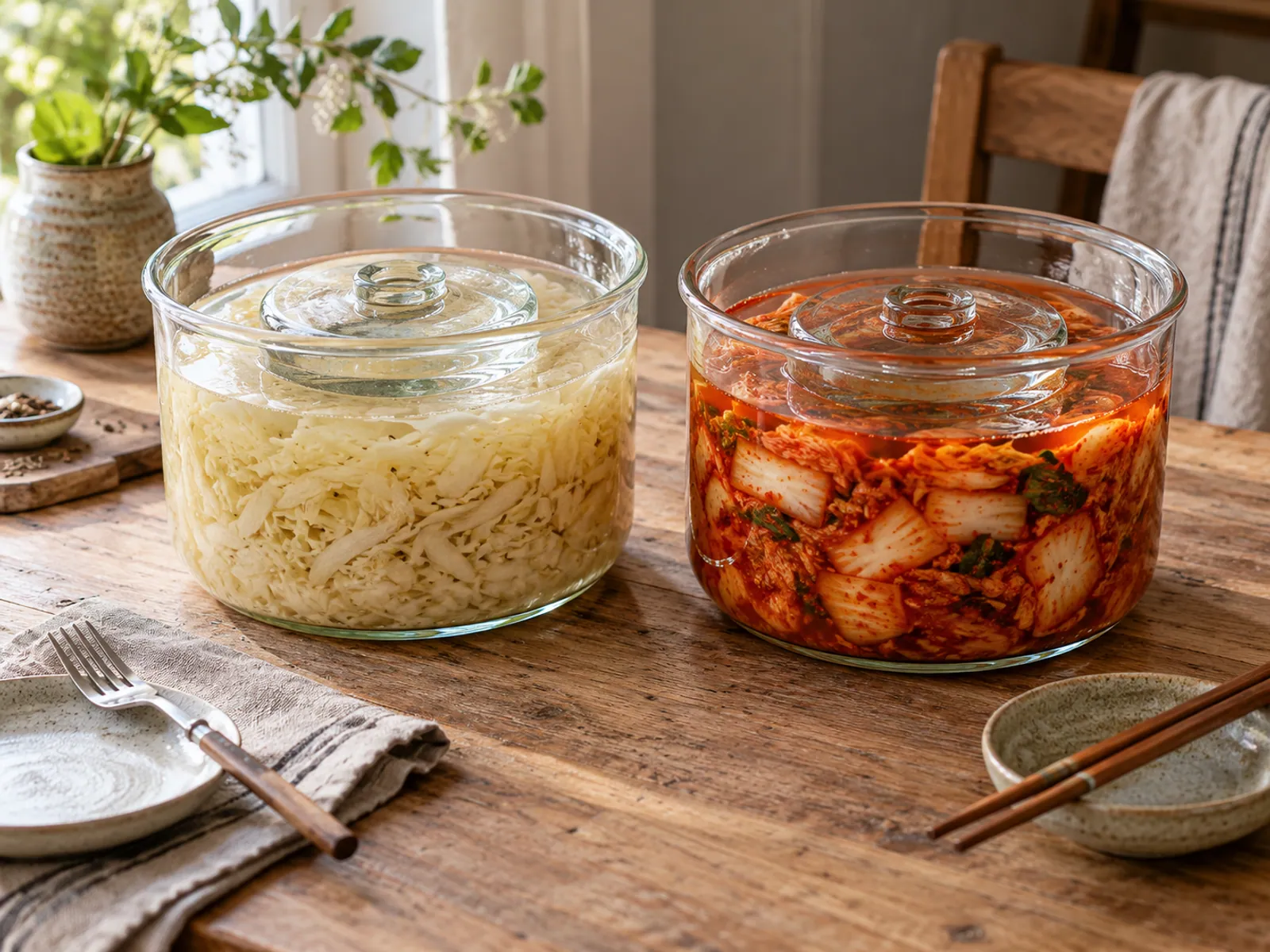
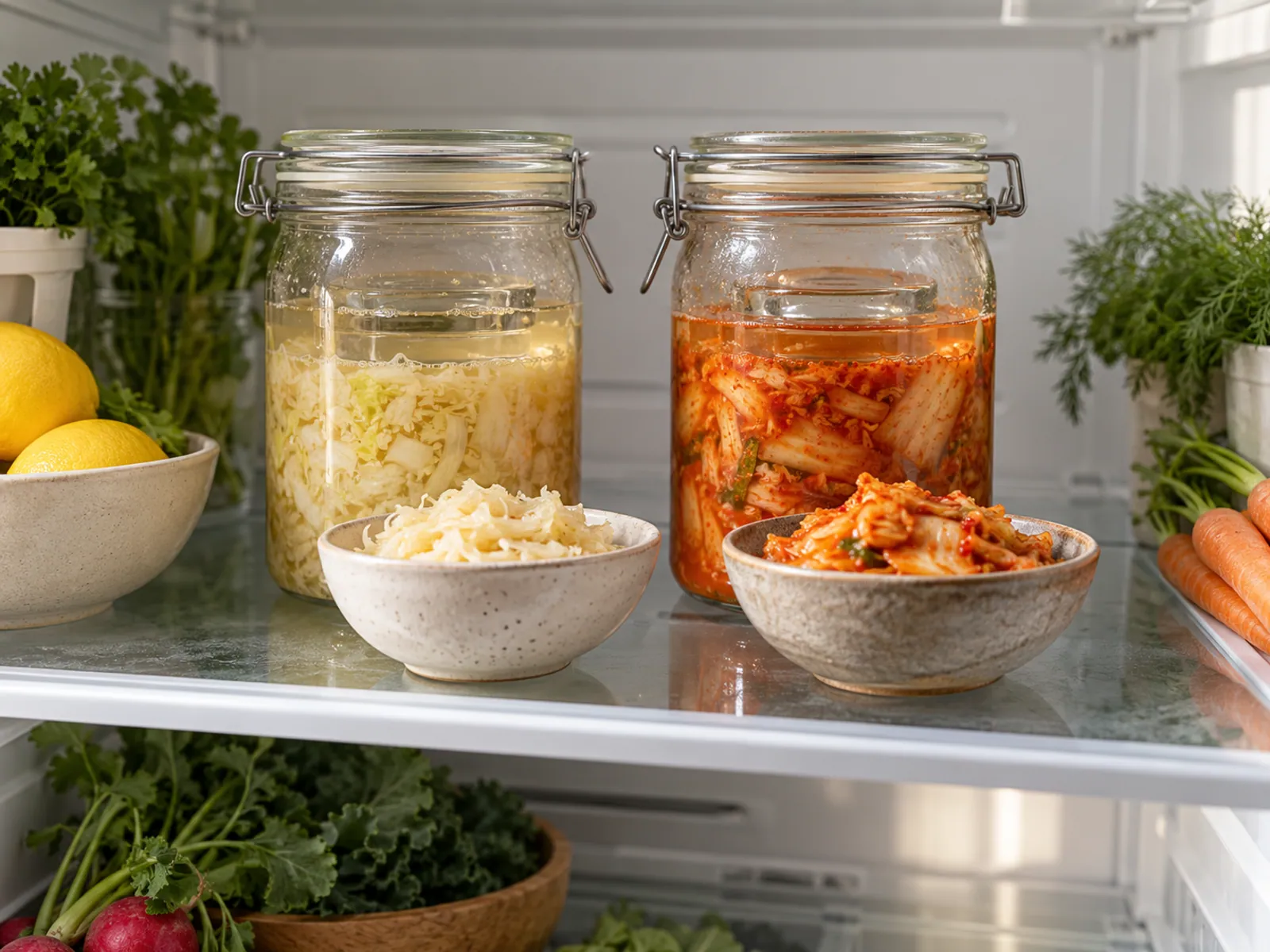
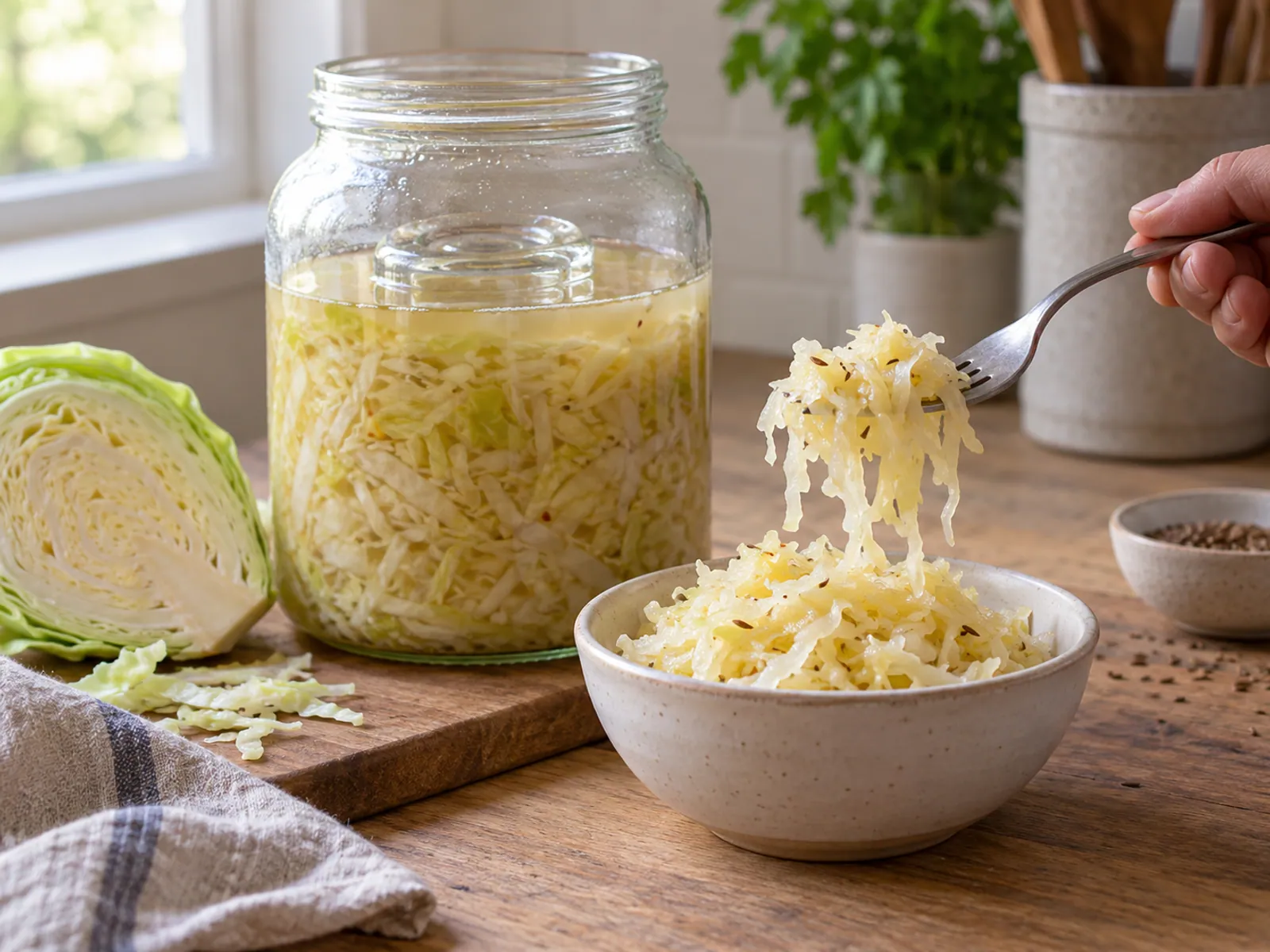
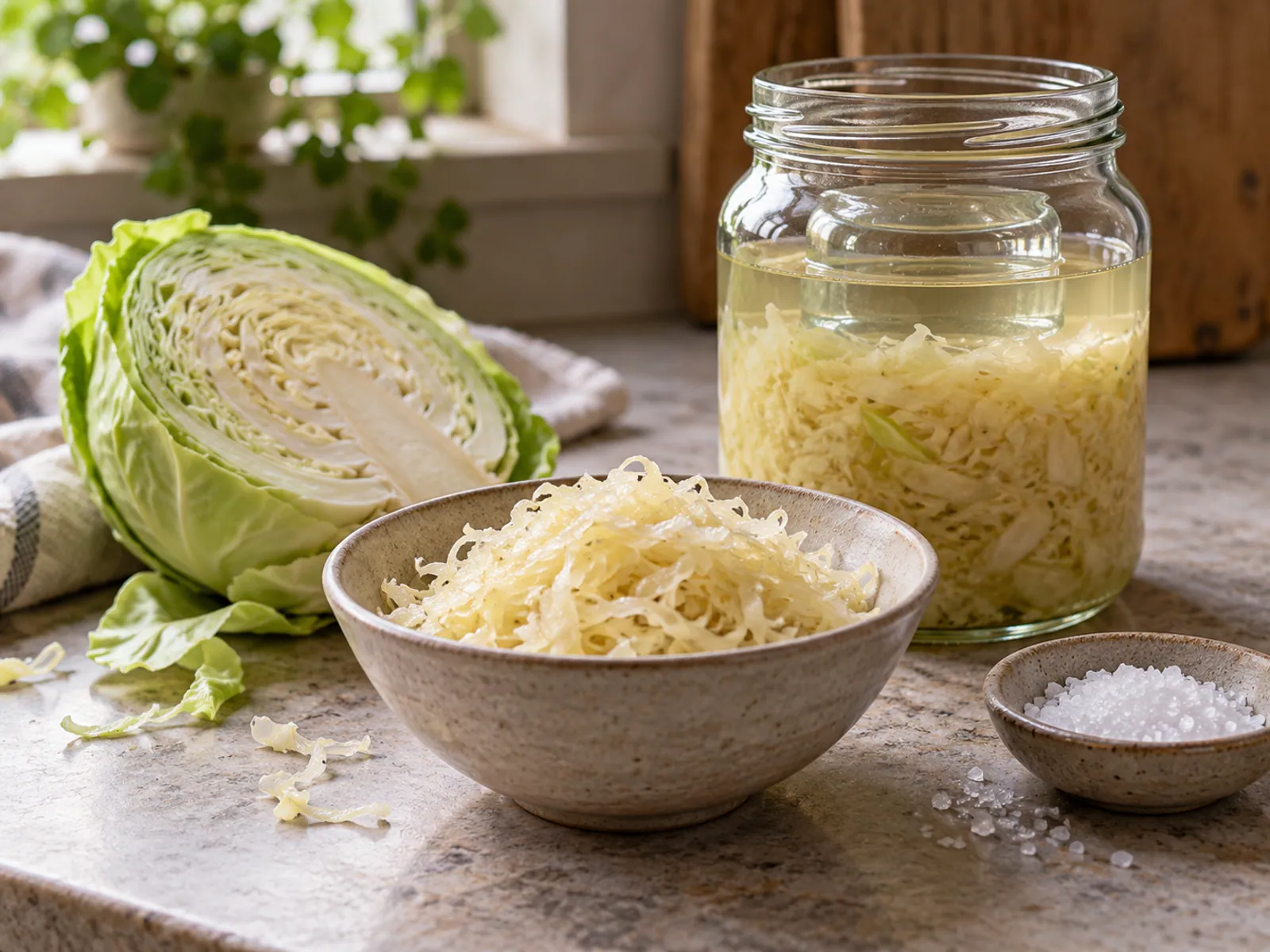
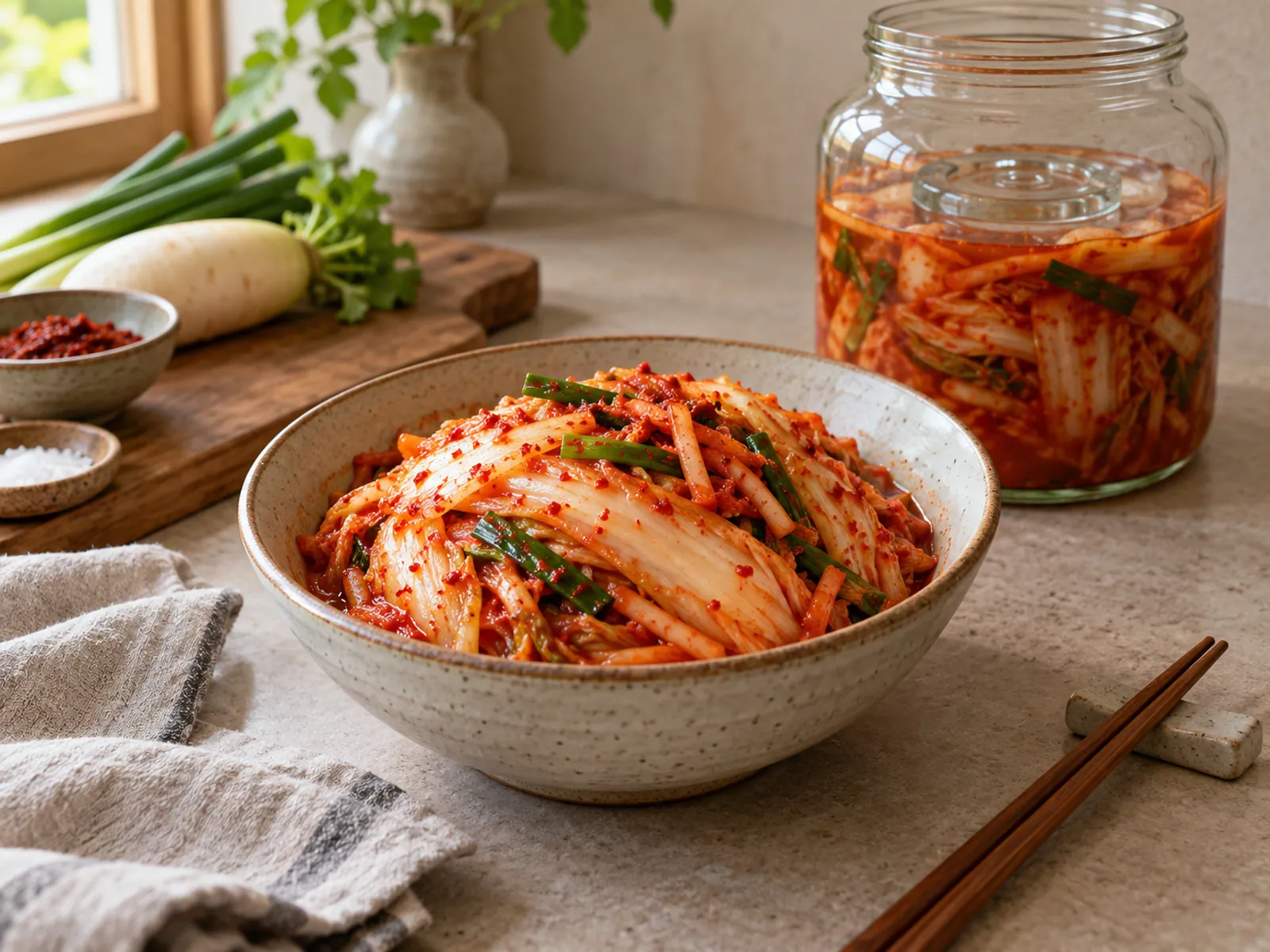
- Sauerkraut vs Kimchi: Differences in Taste, Method & Probiotics Brine & Pickling · Sauerkraut vs kimchi: both are lacto-fermented cabbage, but they differ in the cabbage, the salting method, the seasoning, the fermentation time and the flavour. A side-by-side comparison and which to make first.
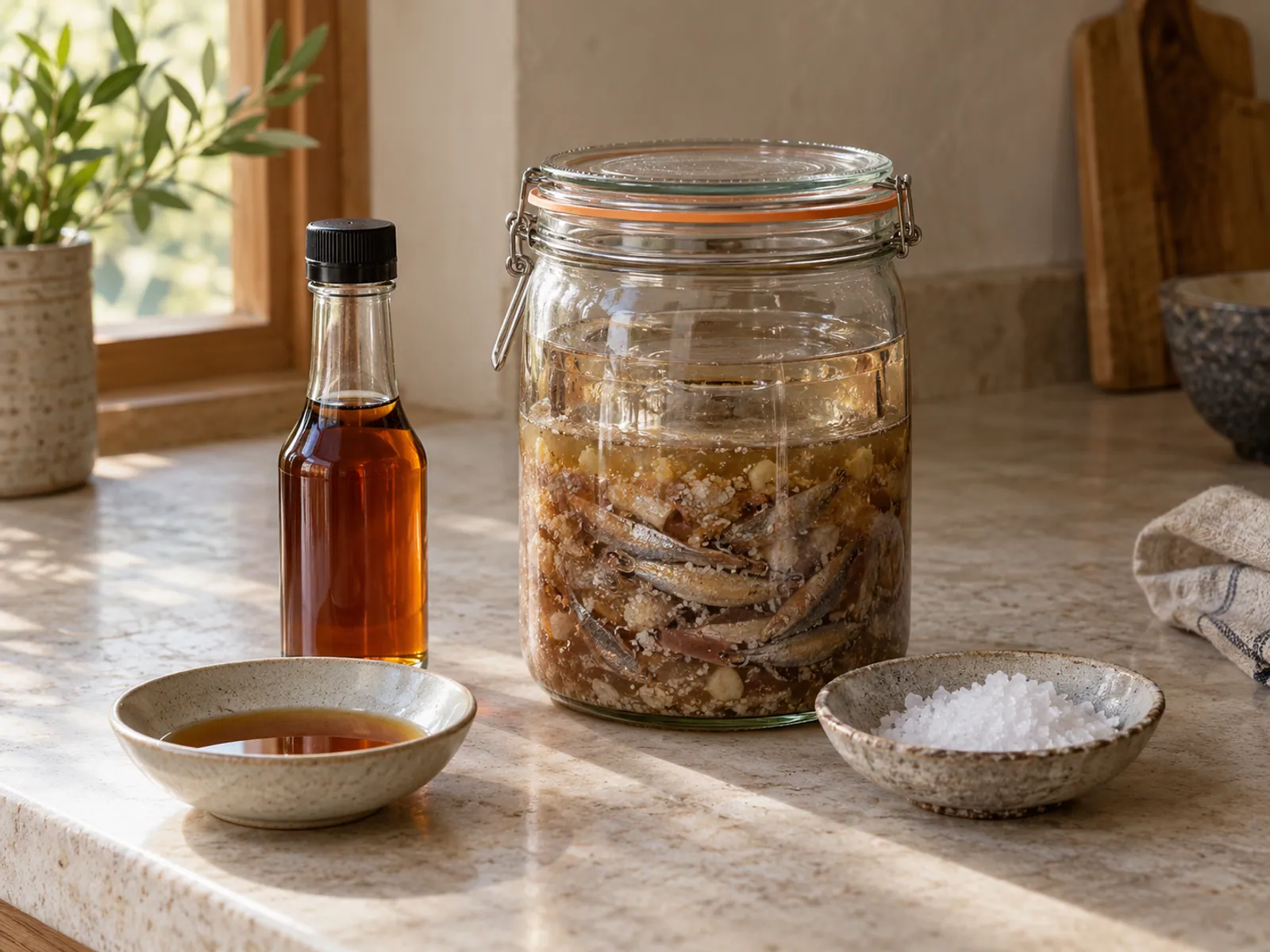
- Fermented Fish Sauce — Traditional Process & Homemade Recipe Brine & Pickling · How fermented fish sauce is made — the traditional salt-and-fish fermentation process, a homemade recipe, and how to use it. From anchovies to finished sauce in 6–12 months.
- Is Sauerkraut Safe During Pregnancy? Brine & Pickling · What FDA, CDC, NHS, and ACOG guidance actually says about sauerkraut in pregnancy, the real listeria and sodium questions, and how to eat it more safely.
- Sauerkraut & Vegetable Ferments: General FAQ Brine & Pickling · Answers to the most common sauerkraut and vegetable fermentation questions — mold, cloudy brine, sliminess, salt, timing, and storage — with sources.
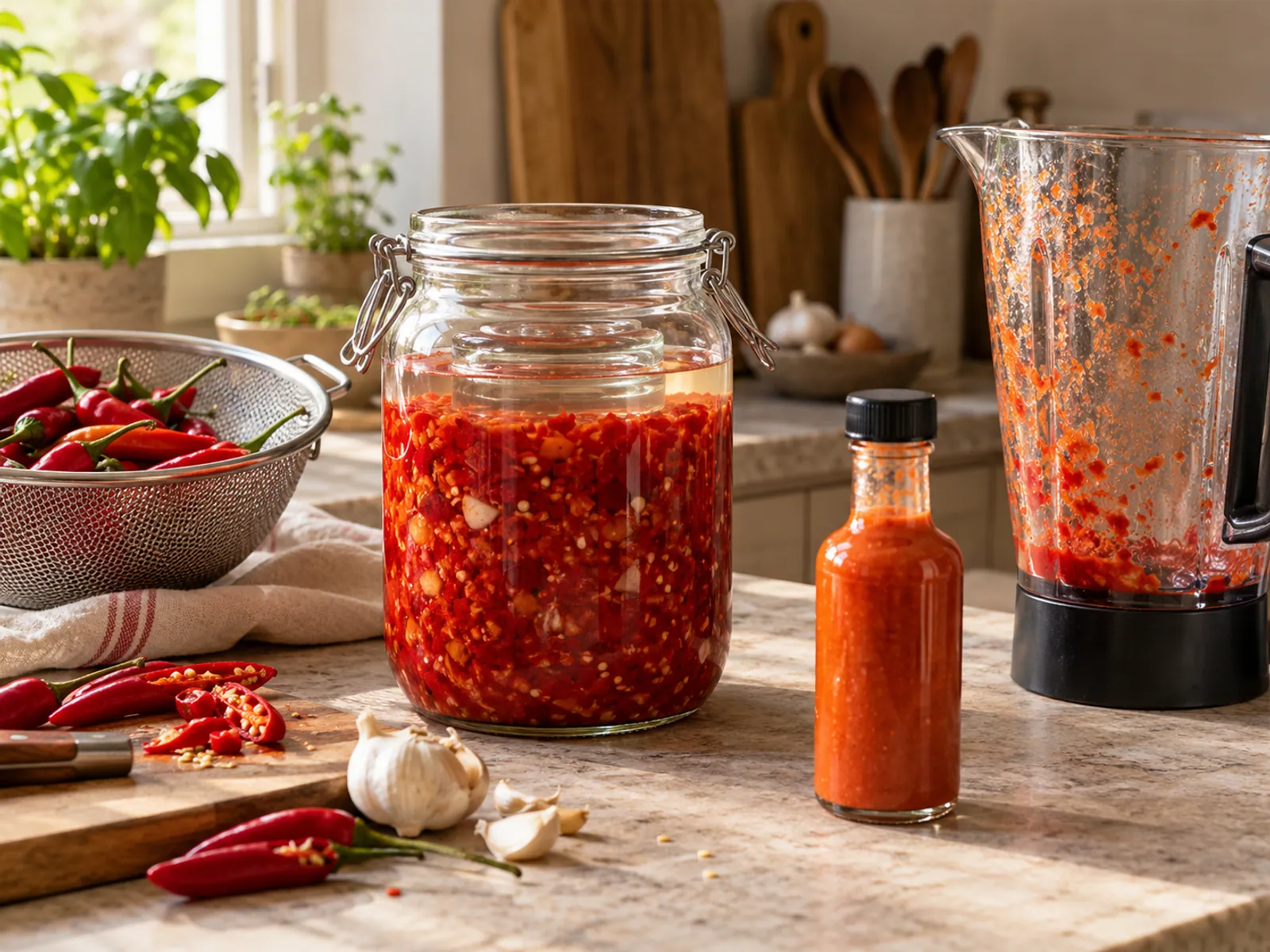
- Fermented Condiments: Hot Sauce, Mustard and Ketchup Recipes Brine & Pickling · Make fermented condiments with hot-sauce guidance, a weighed mustard formula, a cultured ketchup recipe, texture and serving advice, and clear refrigeration and method limits.
- How to Make Pickles Crunchy & Crispy Brine & Pickling · The real reasons pickles go soft — and every proven fix, from trimming the blossom end and adding tannins to Pickle Crisp, cold cucumbers, correct salt, and an ice-water soak.
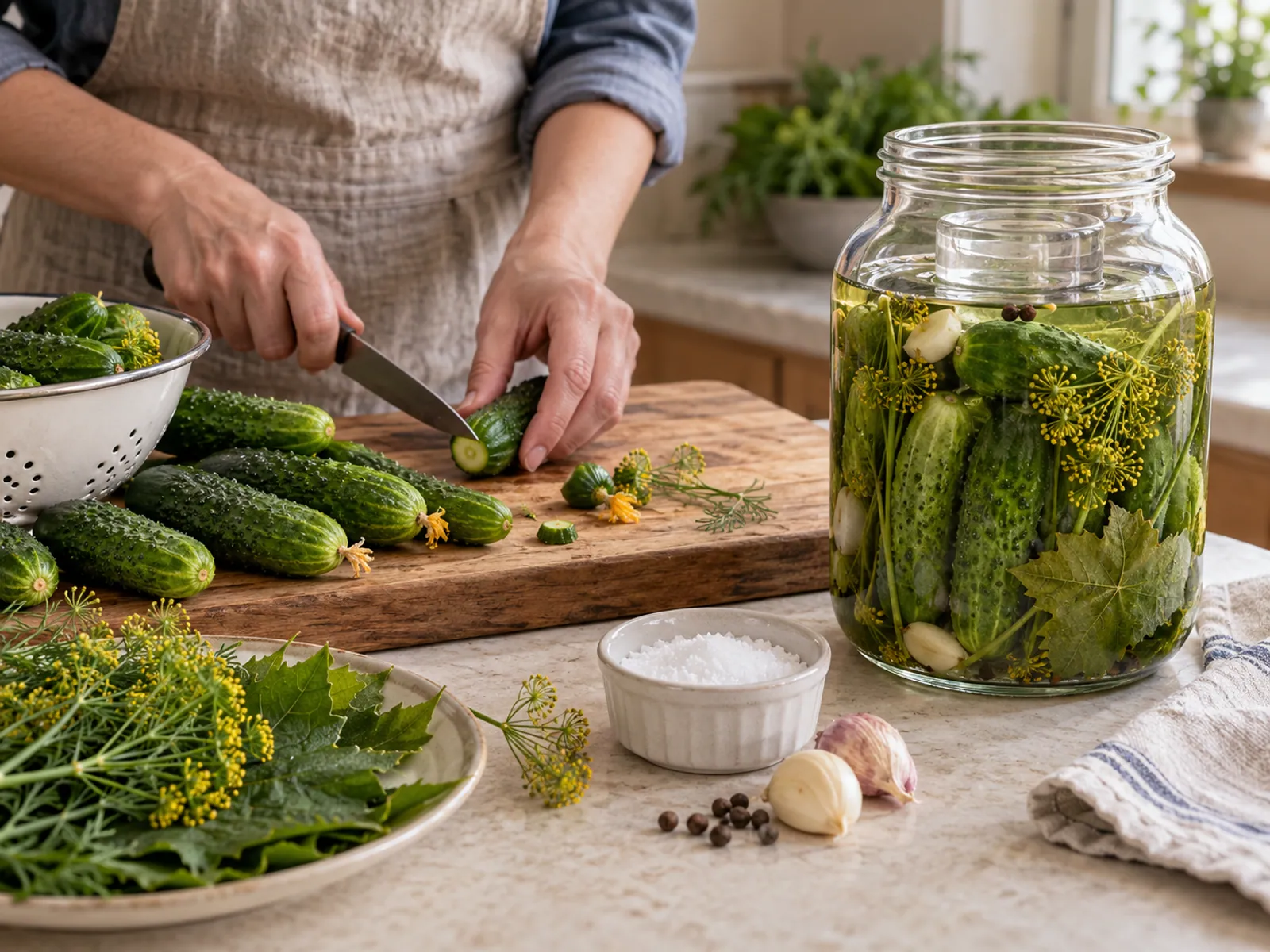
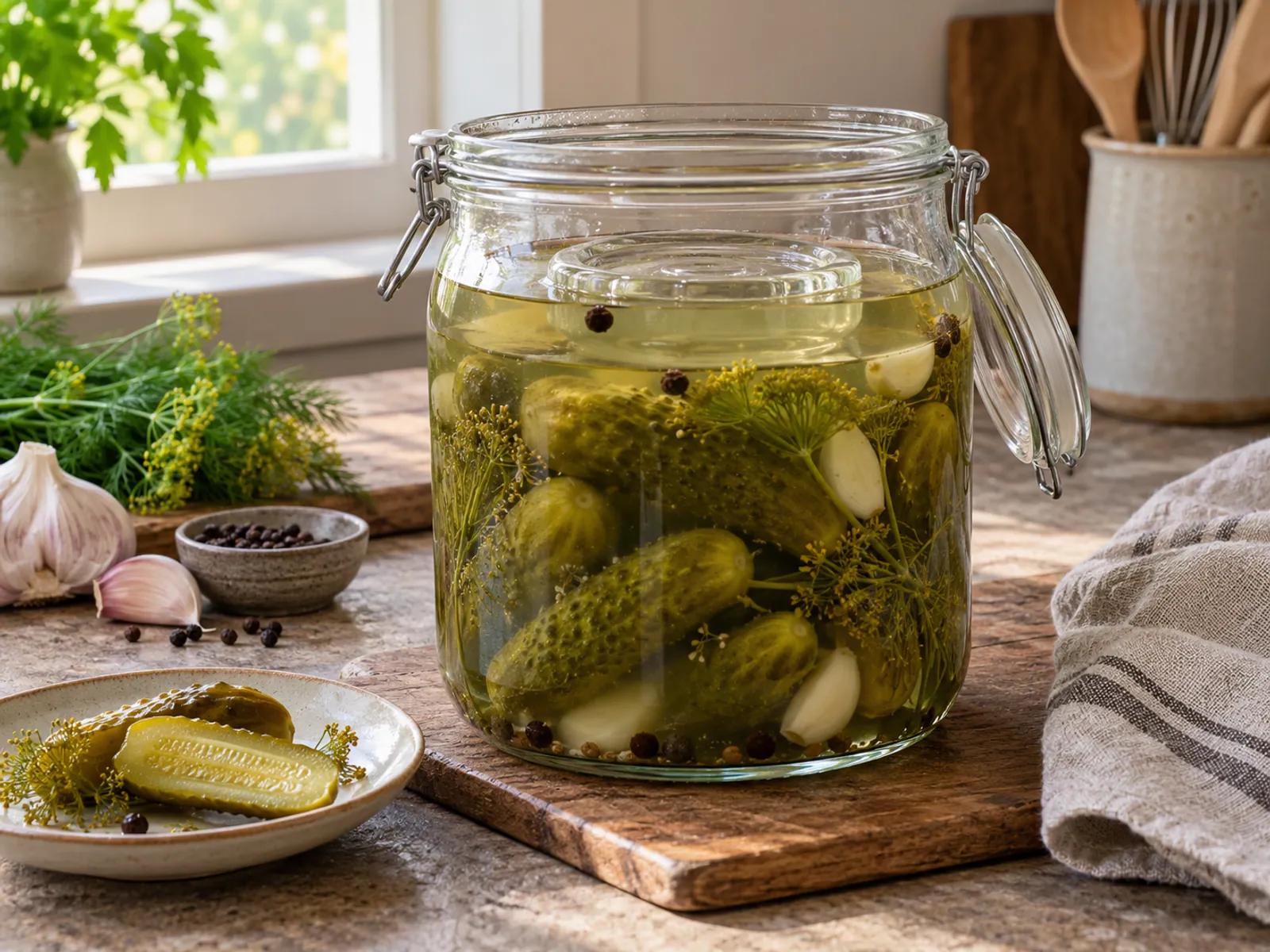
- Sour Dill Pickle Recipes (Full Sour & Old-Fashioned) Brine & Pickling · Make traditional salt-brine fermented sour dill pickles — the right 3.5–5% brine, dill and garlic, keeping cukes submerged, half-sour vs full-sour timing, and how to keep them crisp.
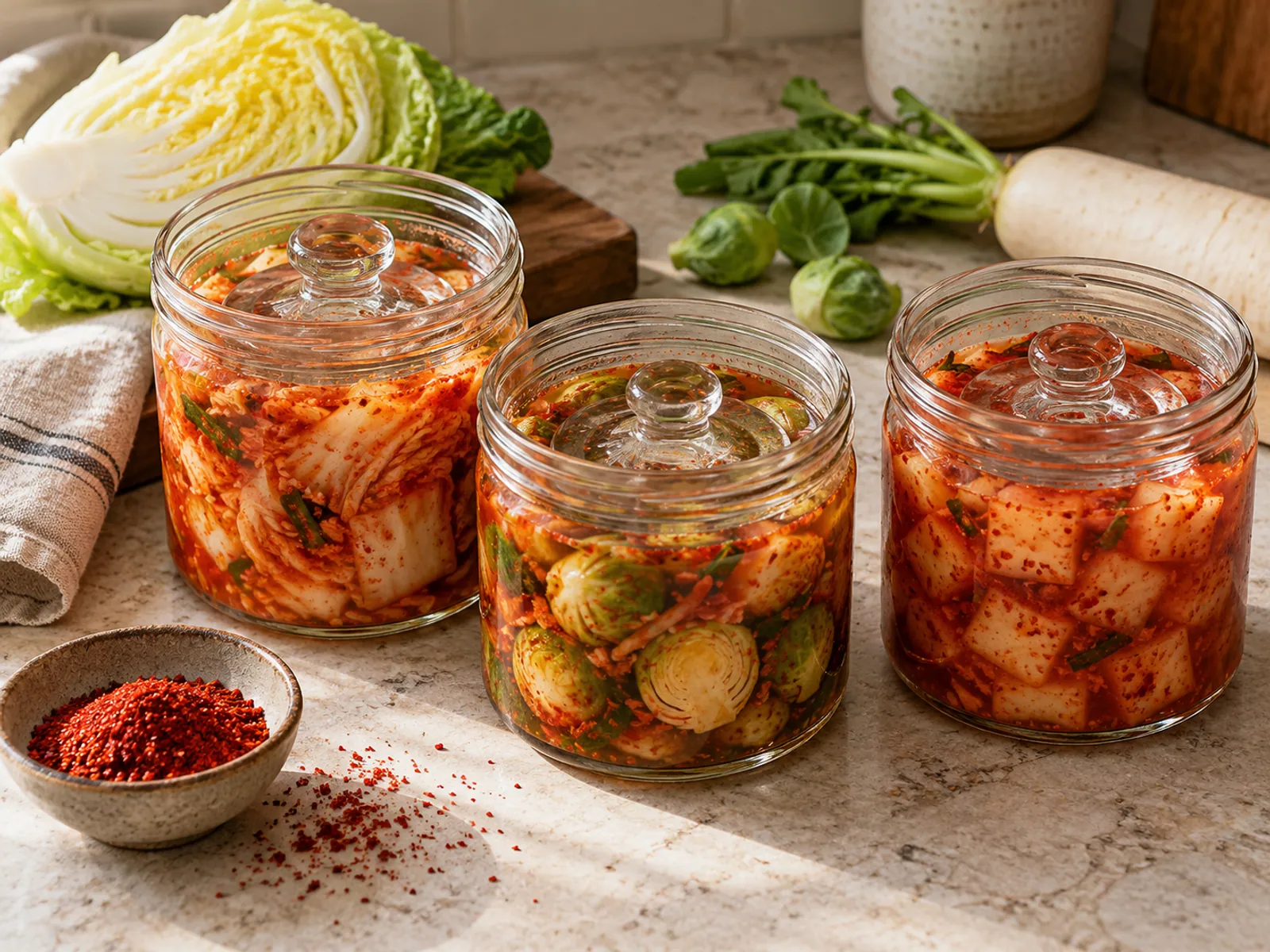
- Kimchi Recipes: Napa Cabbage, Brussels Sprout & Daikon Brine & Pickling · Three lacto-fermented kimchi recipes — classic napa cabbage kimchi (baechu), crunchy Brussels sprout, and cubed daikon kkakdugi — with gochugaru paste, exact salt percentages, timings, and a vegan option.
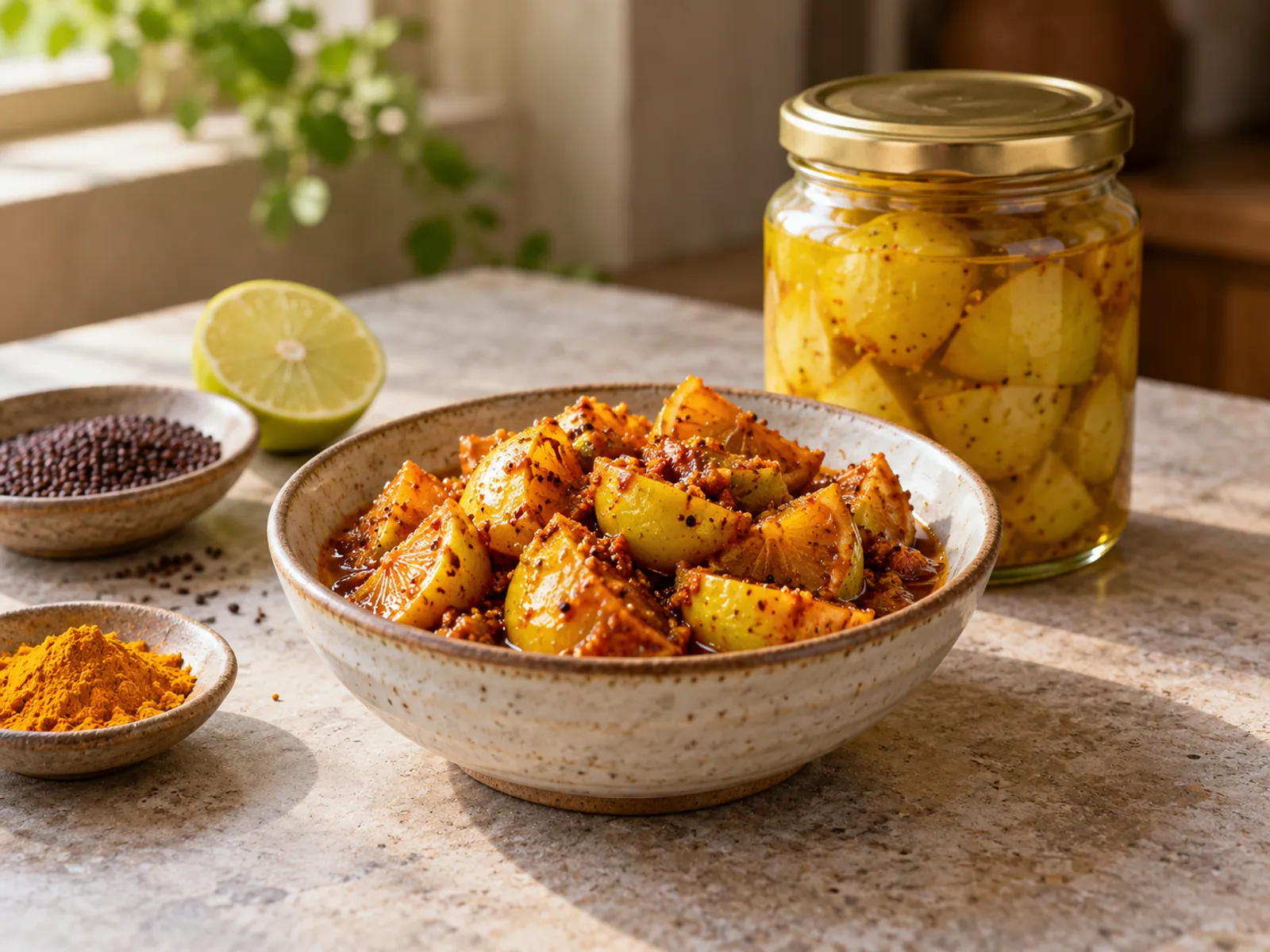
- Indian Lime Pickle Recipe (Nimbu ka Achar) Brine & Pickling · Make traditional salt-cured Indian lime pickle — quarter and heavily salt limes, sun-cure until the skins turn soft and amber, then temper with mustard, fenugreek, chili and asafoetida.
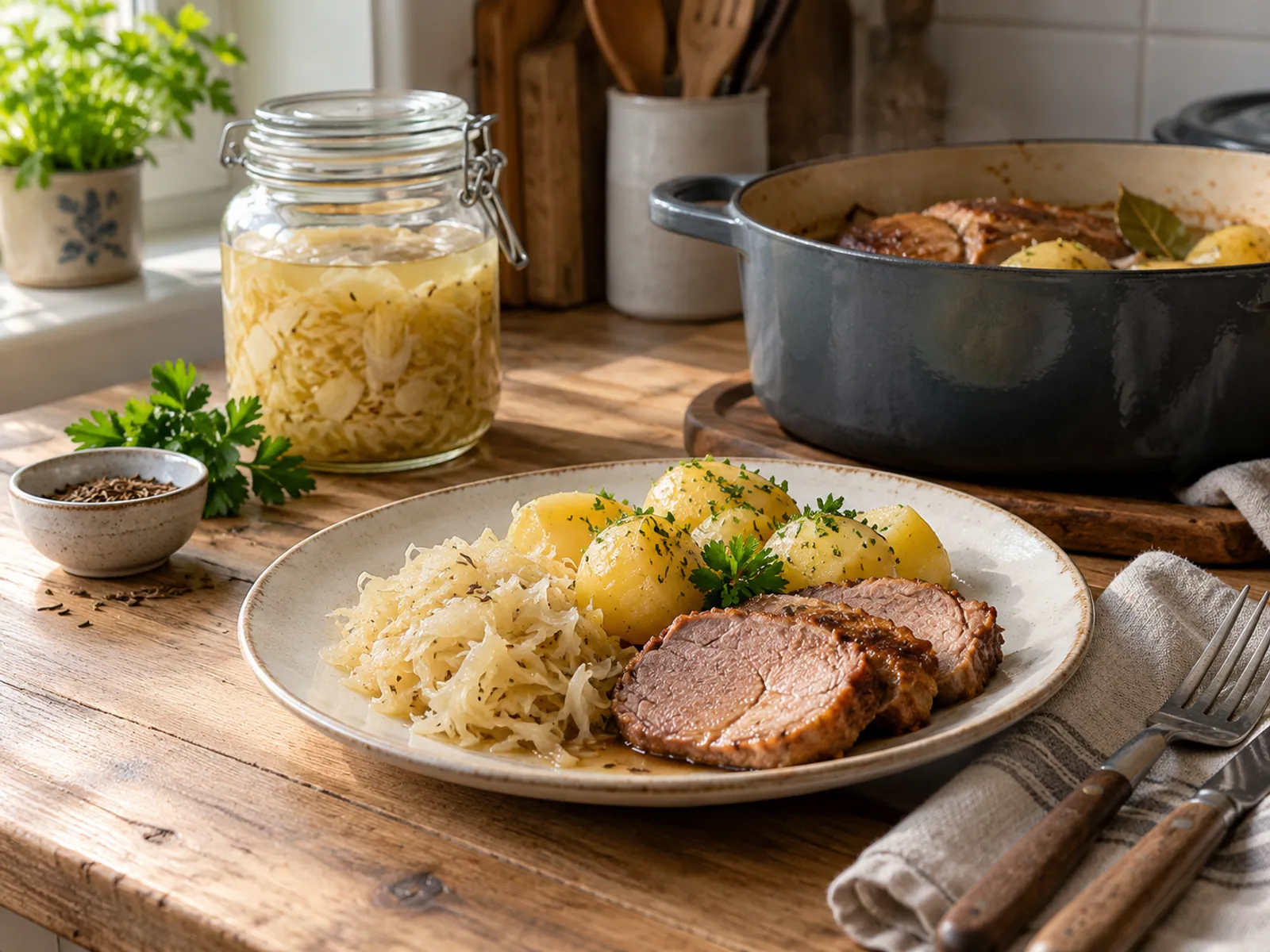
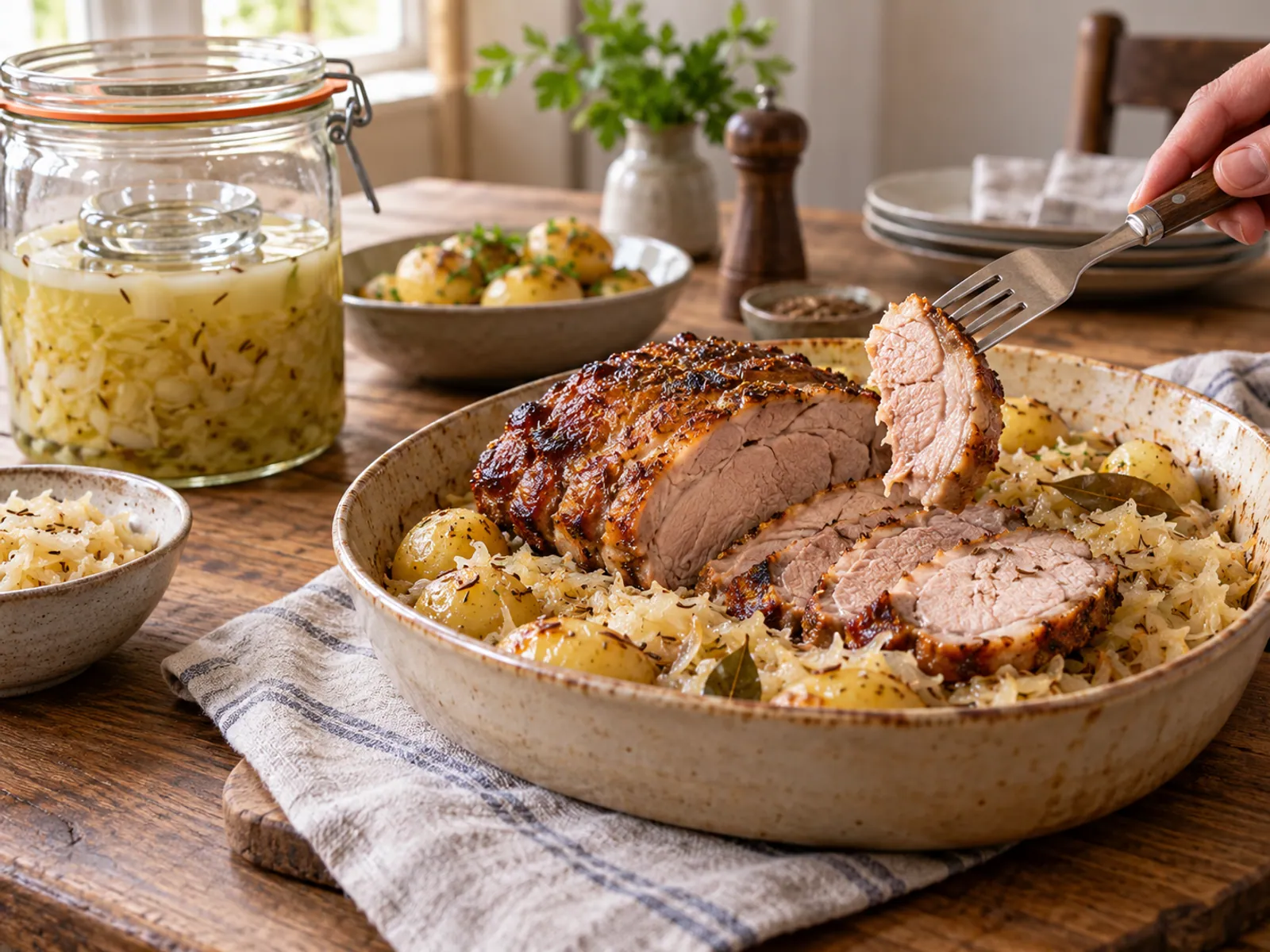
- Pork & Sauerkraut: The New Year's Tradition Brine & Pickling · Why Pennsylvania Dutch and German families eat pork and sauerkraut on New Year's Day for luck — the folklore, plus how to cook it in the oven, slow cooker, or Instant Pot.
- Probiotics in Sauerkraut & Kimchi: How Much Brine & Pickling · How many probiotics are really in sauerkraut and kimchi, which bacteria you're eating, how much to have a day, and what raises or kills the live counts.
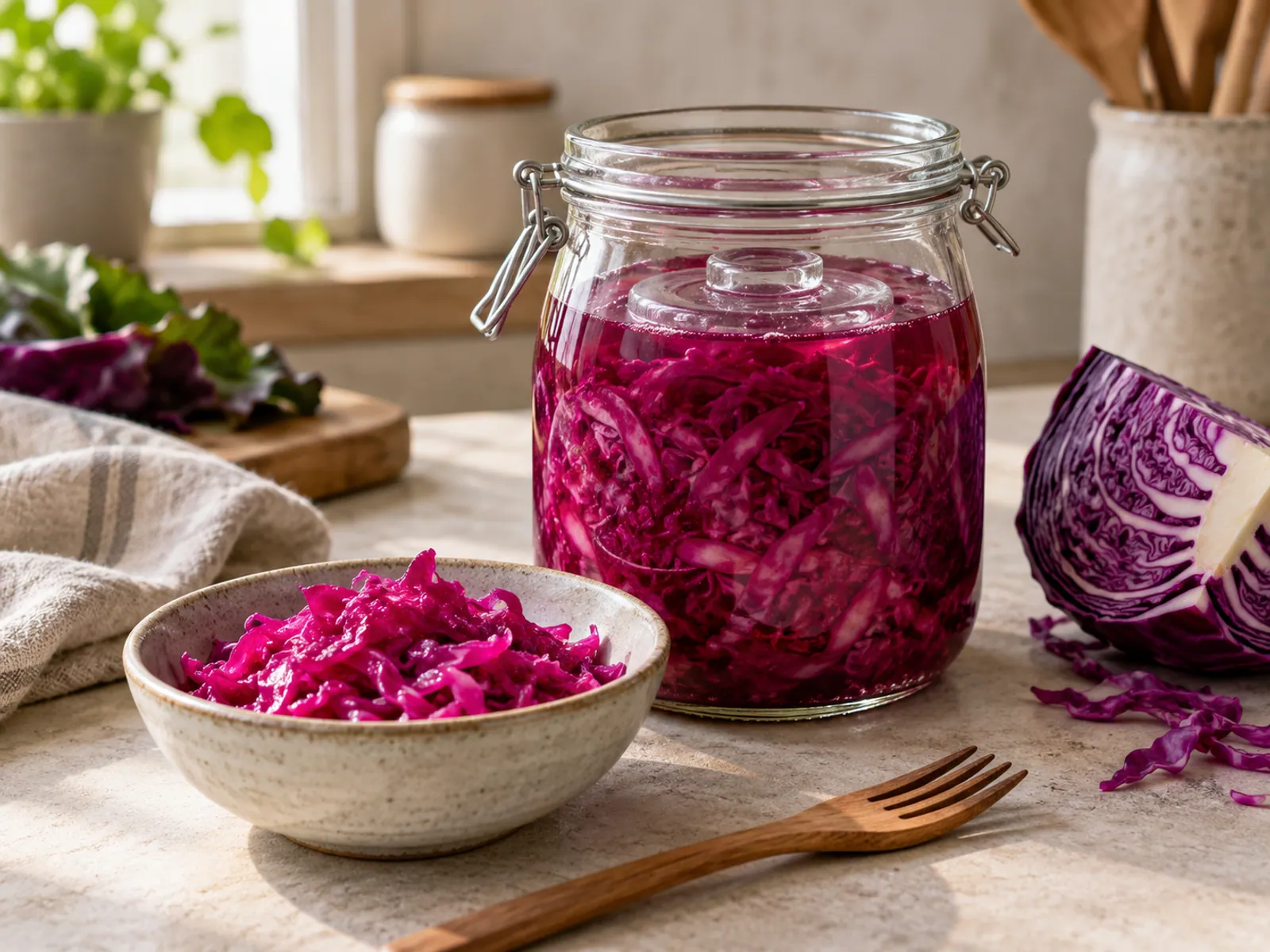
- Red & Purple Cabbage Sauerkraut Recipes Brine & Pickling · Red cabbage sauerkraut method, recipe selection, salt calculations, color limitations, fermentation endpoints, flavor pairings, serving ideas and refrigerated storage.
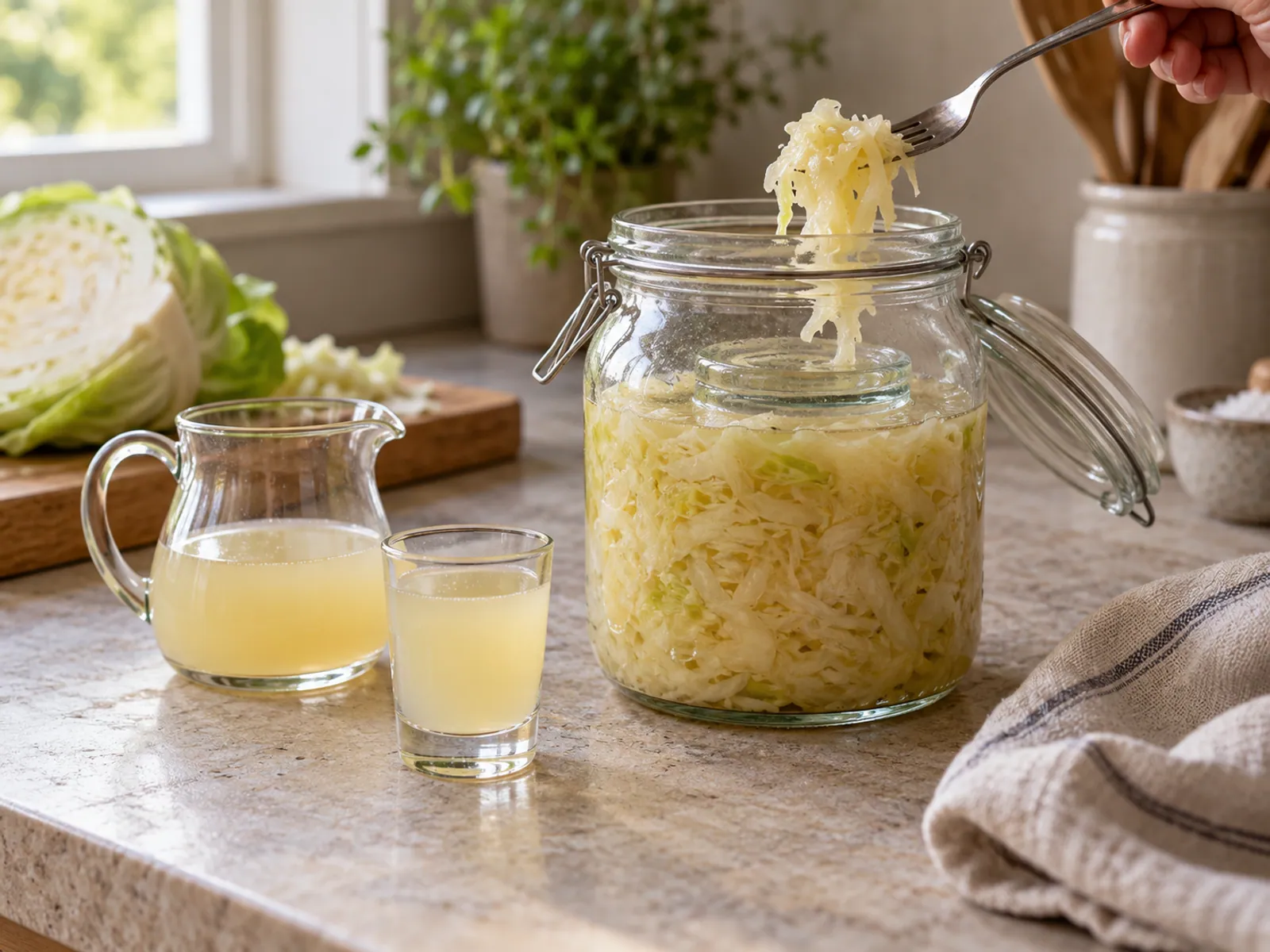
- Sauerkraut Juice: Benefits & How to Drink It Brine & Pickling · Sauerkraut juice is the raw, probiotic brine left in the jar — here's what it does for your gut, how much to drink, and how to reuse it as a starter culture.
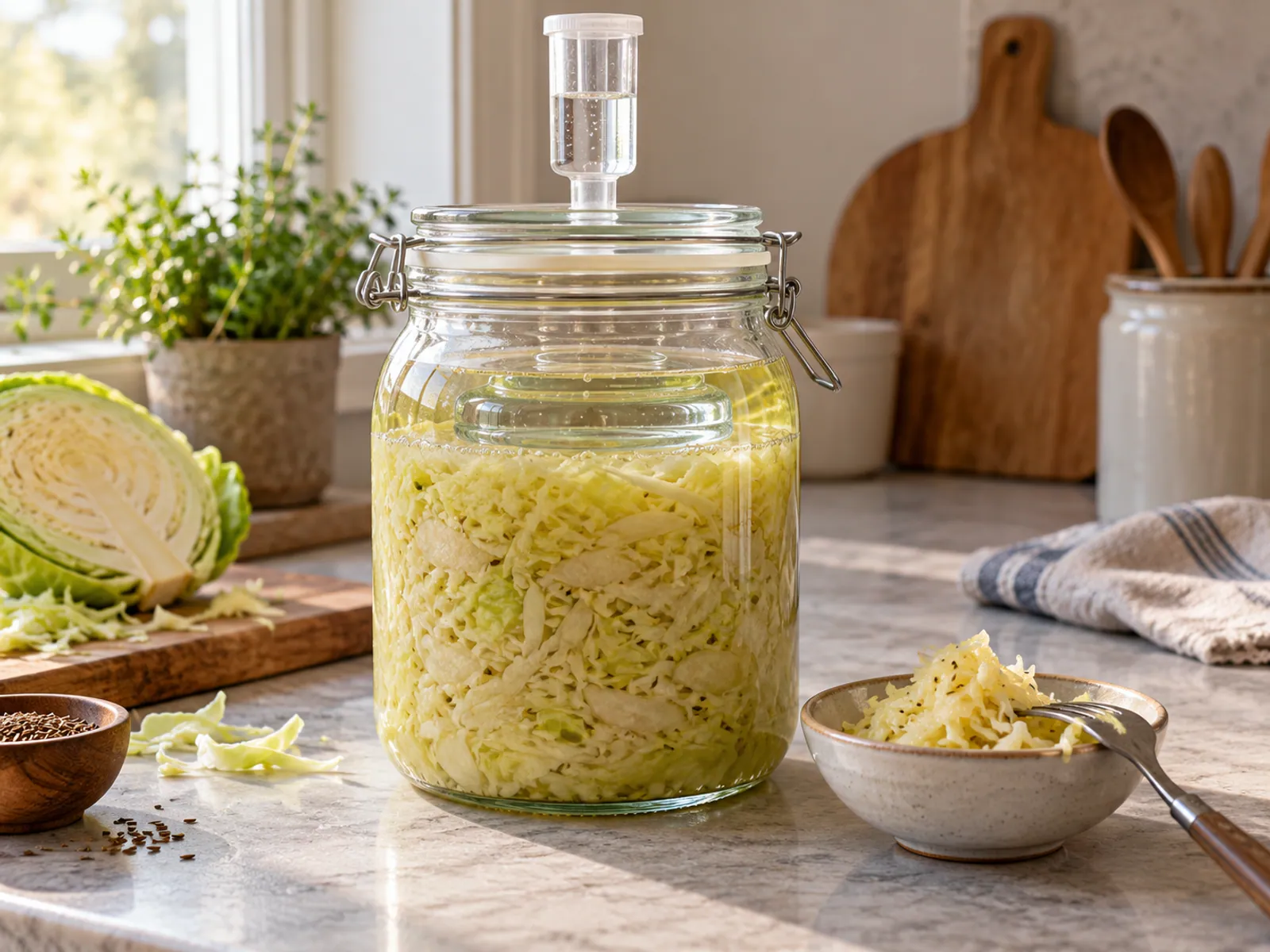
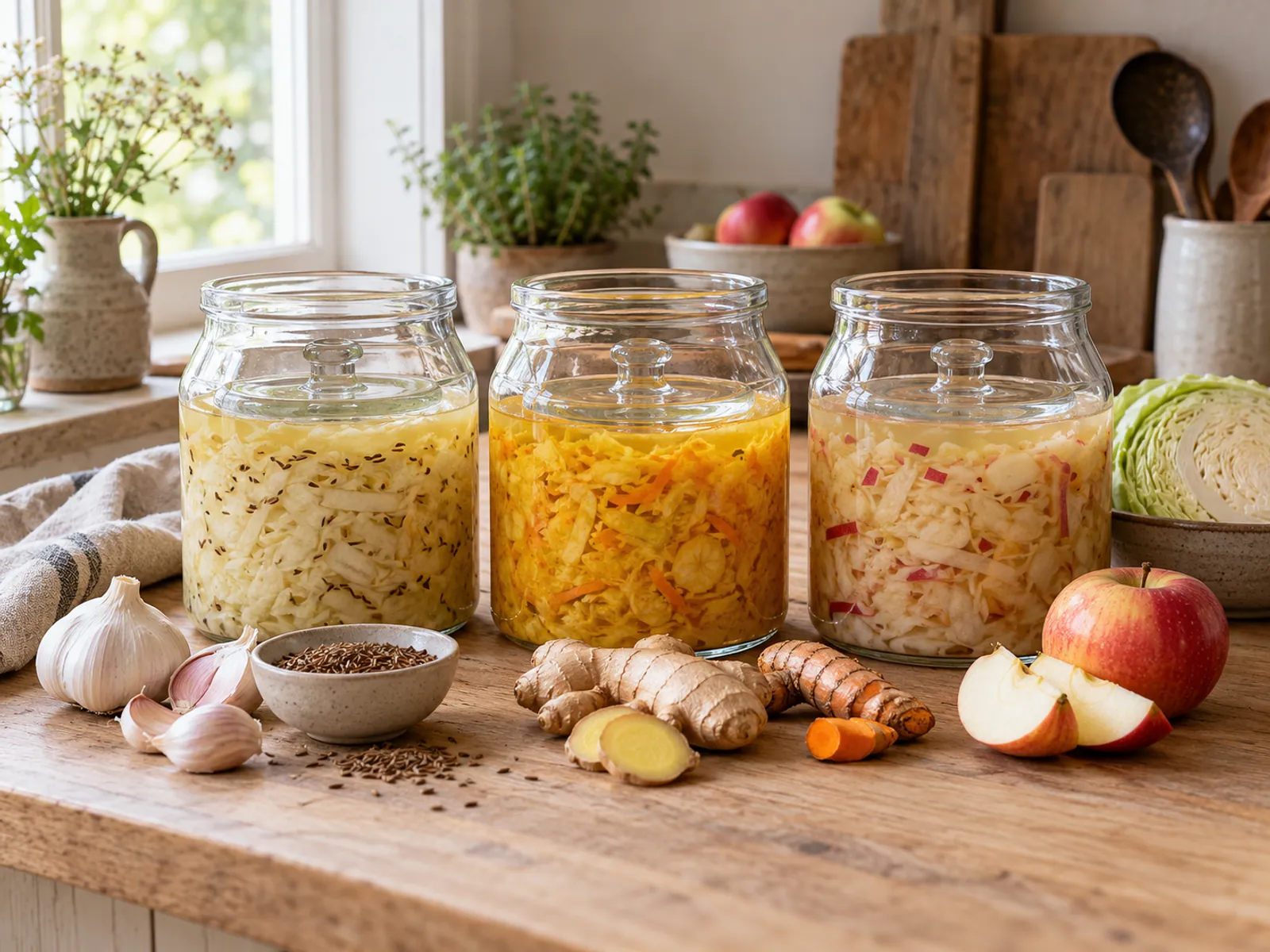
- Sauerkraut Recipes: Garlic, Spiced & Flavored Brine & Pickling · Seven flavored sauerkraut recipes built on one reliable 2% salt base — garlic, caraway, juniper, ginger-turmeric, apple, beet, and curtido-style — with when to add aromatics and how long to ferment.
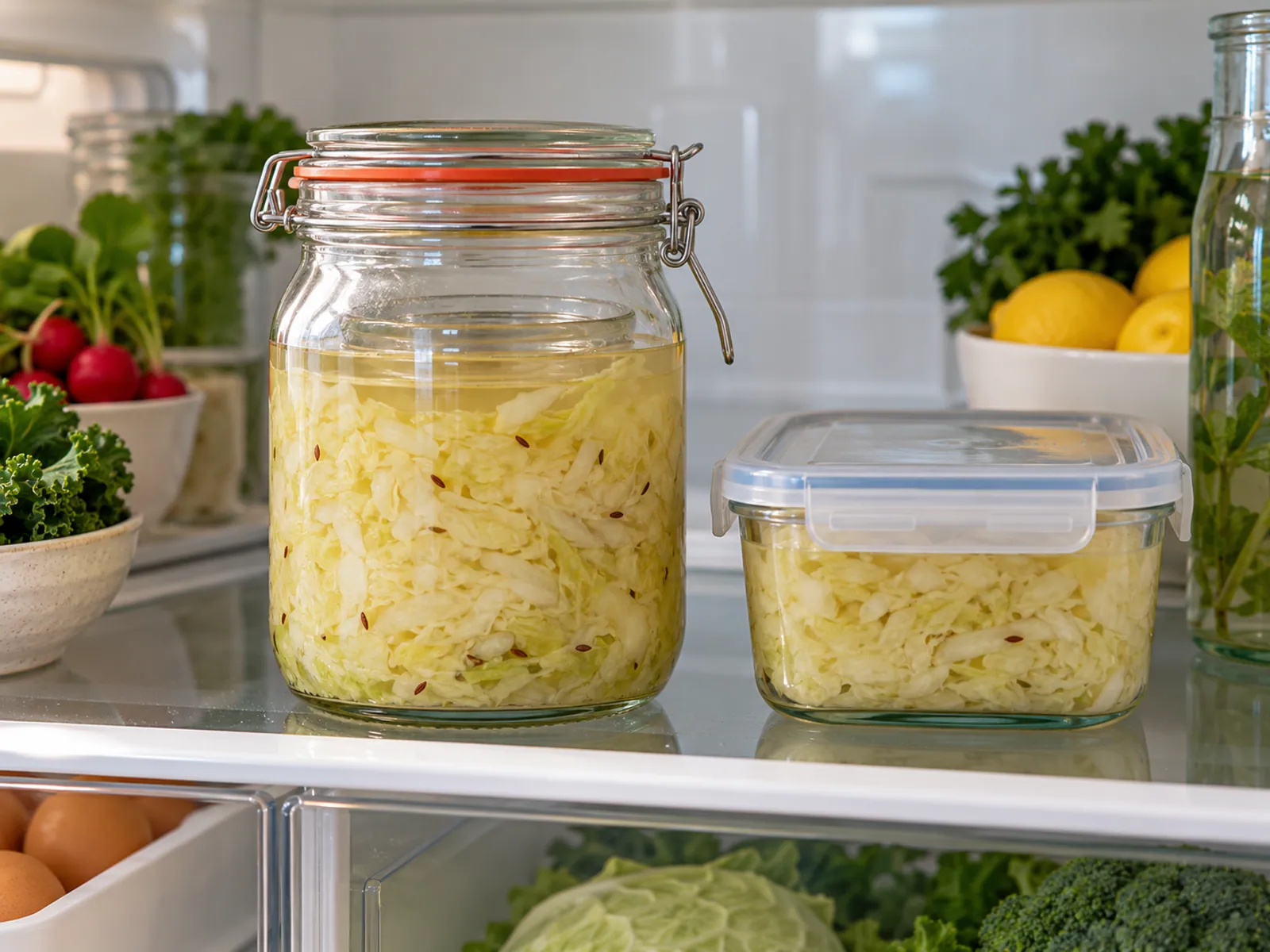
- How Long Does Sauerkraut Last? Shelf Life & Freezing Brine & Pickling · How long sauerkraut lasts in the fridge, pantry, and freezer — homemade vs store-bought, opened vs unopened — plus whether you can freeze it and how to spot spoilage.
- Unpasteurized & Raw Probiotic Sauerkraut Brine & Pickling · What unpasteurized, raw sauerkraut is, why it carries live probiotics that canned kraut doesn't, how to spot the real thing in the store, and how to keep the cultures alive.
- What Is Sauerkraut? Definition, Meaning & Taste Brine & Pickling · Sauerkraut is finely shredded cabbage fermented in its own salty brine — here's what it means, how it's made, what it tastes like, and whether it's actually good for you.
- Kimchi Explained: Smell, Facts, Gluten & Probiotics Brine & Pickling · Why kimchi smells the way it does, whether it's gluten-free, how many probiotics it carries, and the fermentation facts behind Korea's famous cabbage.
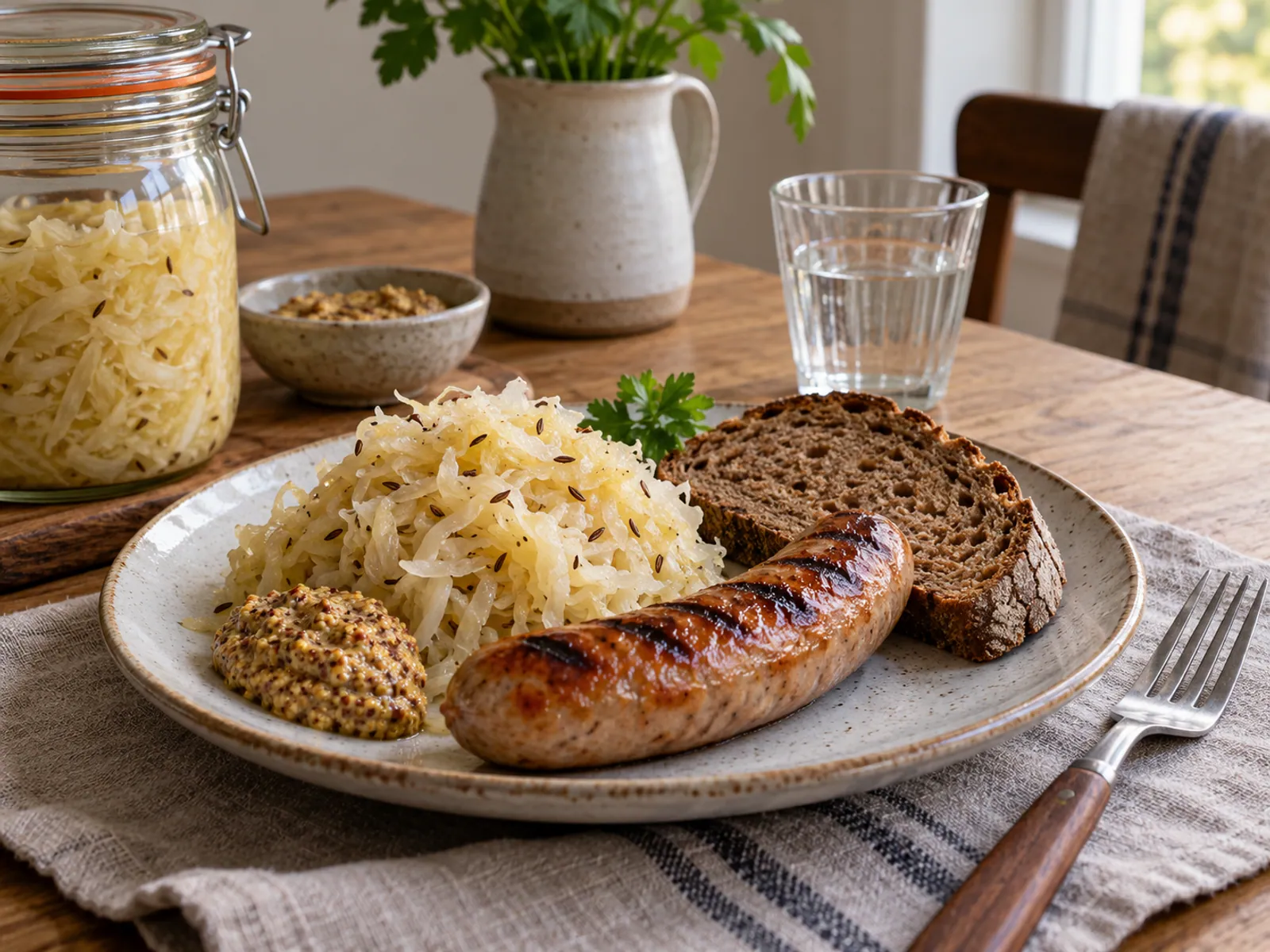
- What to Eat & Pair with Sauerkraut Brine & Pickling · The best foods to serve with sauerkraut — from sausages and roast pork to eggs, grain bowls and sandwiches — plus serving amounts and how to keep the probiotics alive.
Brewing
4 recipe guides
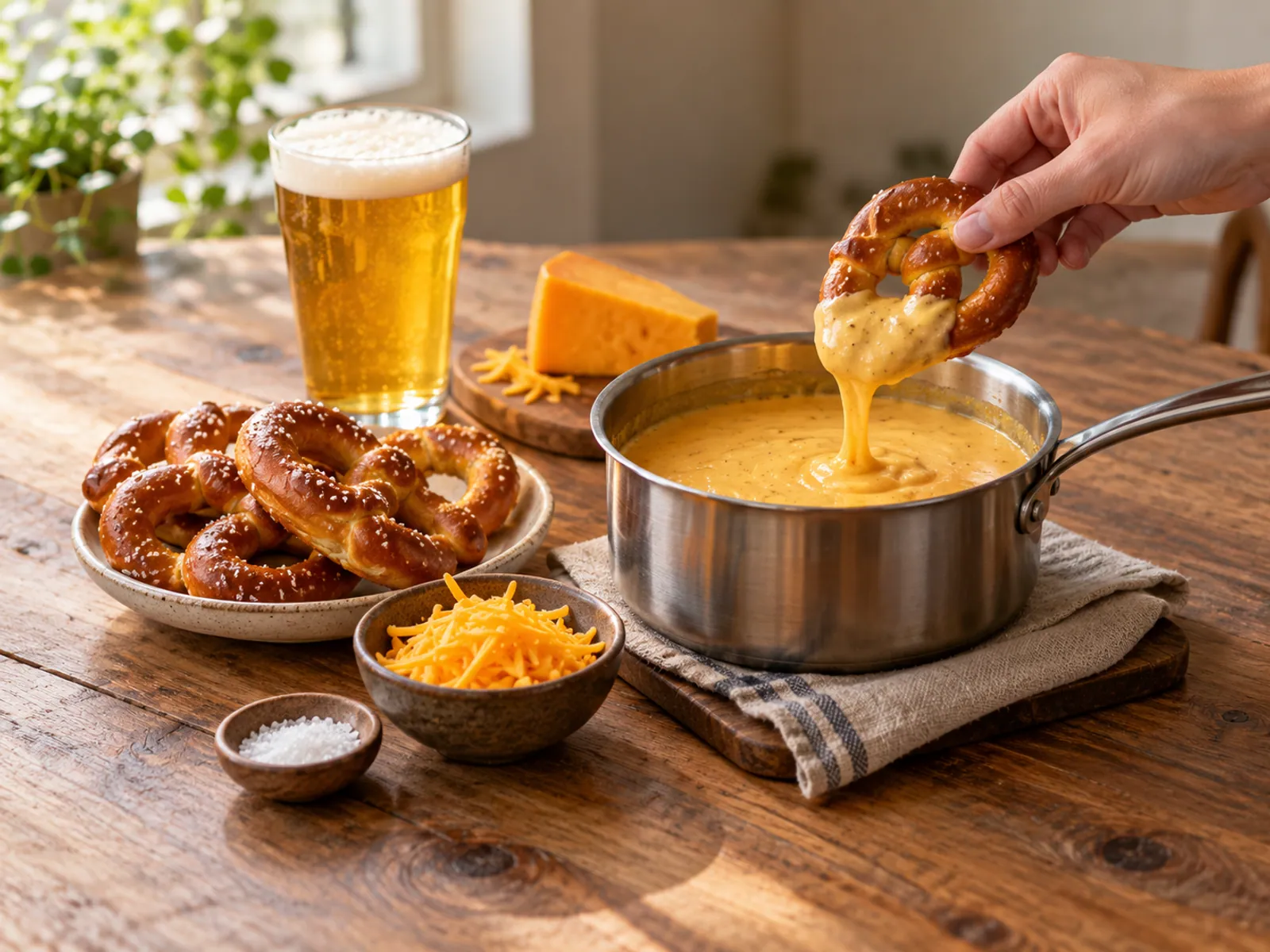
- Beer Cheese Recipe: How to Make It from Scratch Brewing · A from-scratch beer cheese recipe with sharp cheddar and your favorite brew. Covers the best beer and cheese pairings, stovetop method, slow cooker variation, and serving ideas.
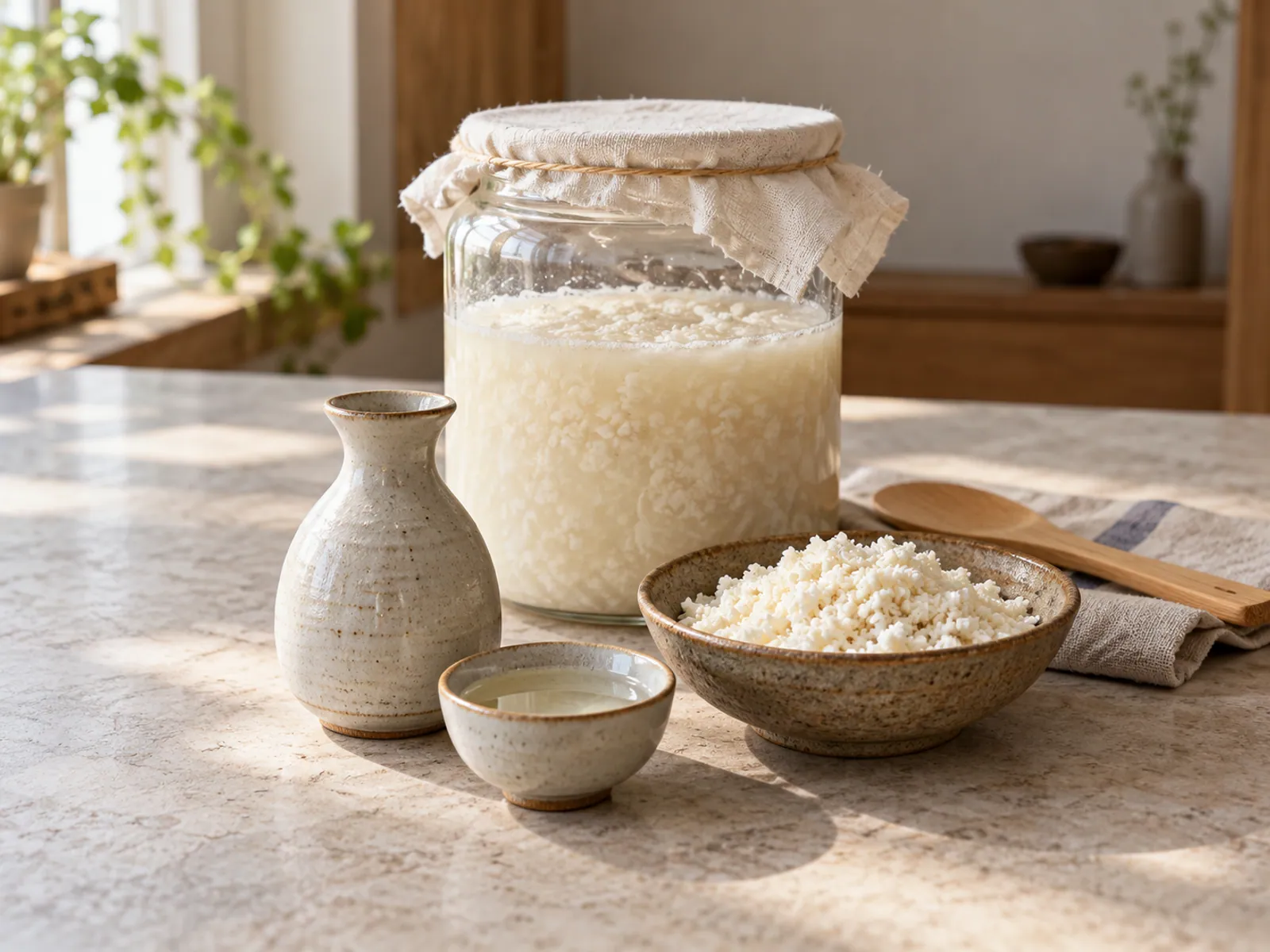
- How to Make Sake at Home Brewing · A step-by-step guide to brewing sake at home. Covers rice selection and polishing, koji cultivation, building the moto yeast starter, moromi main mash, multiple parallel fermentation, pressing, and aging.
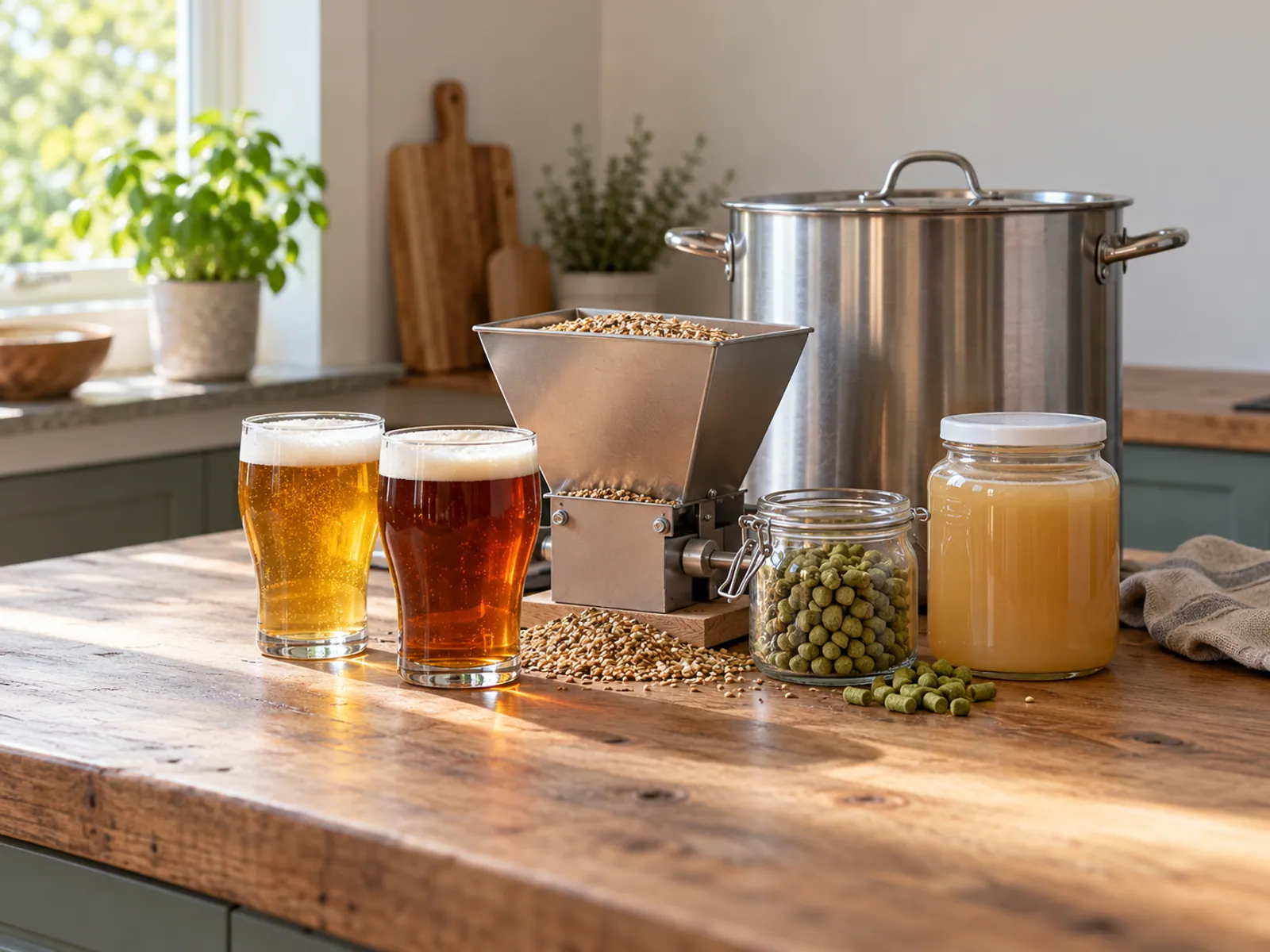
- Beer Recipes: Lager, Ale, IPA & Extract Brewing · A starting-point guide to 5-gallon beer recipes — extract vs all-grain, the anatomy of a recipe (grain bill, hops, IBU, yeast, OG/FG), and characterful overviews of a pale ale, an amber/brown, and a lager.
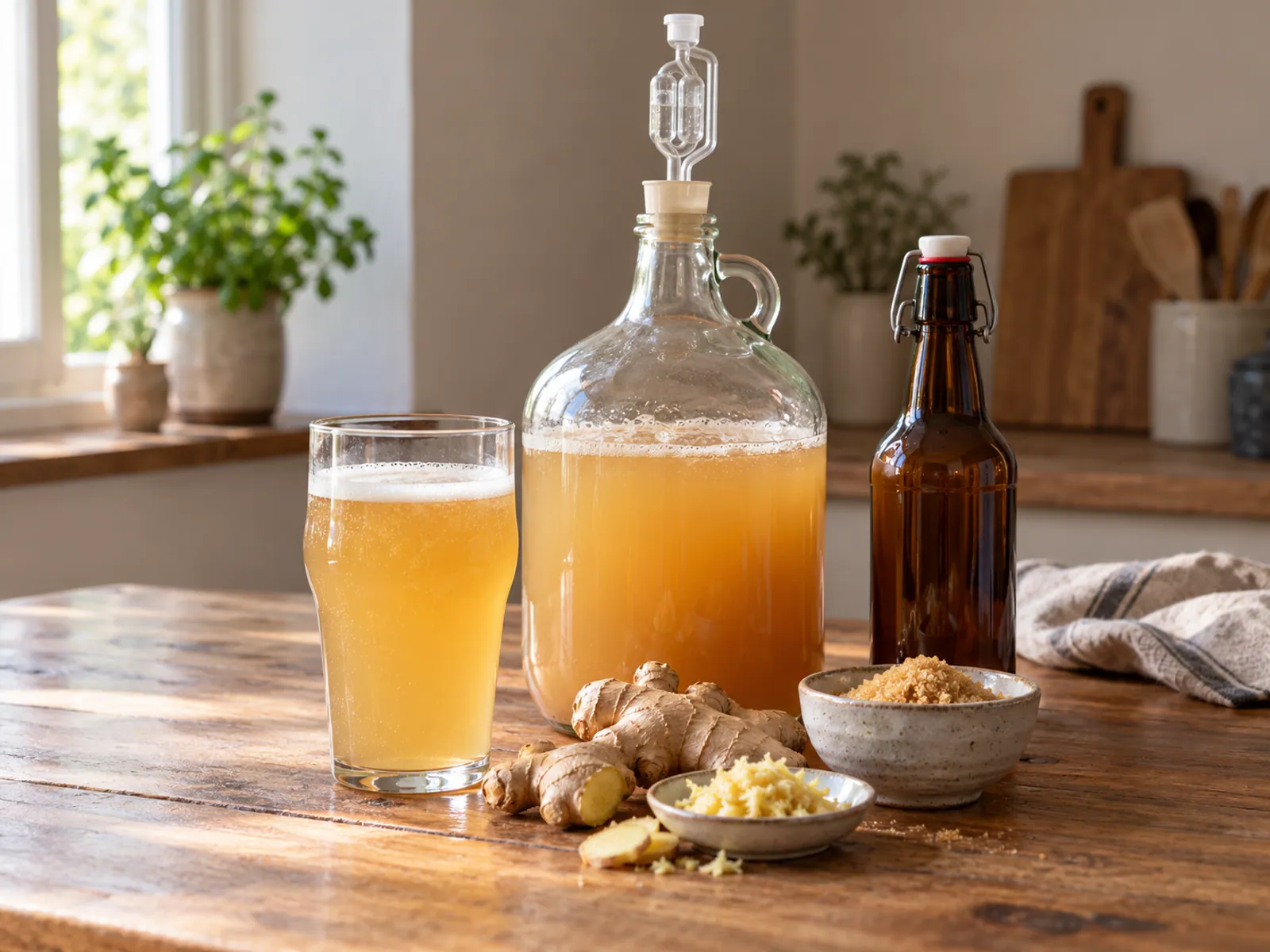
- Alcoholic Ginger Beer Recipe Brewing · A real recipe for genuinely alcoholic ginger beer — a full 1-gallon method, wild ginger bug vs pitched champagne yeast, expected ABV, bottling for carbonation, and how to avoid bottle bombs.
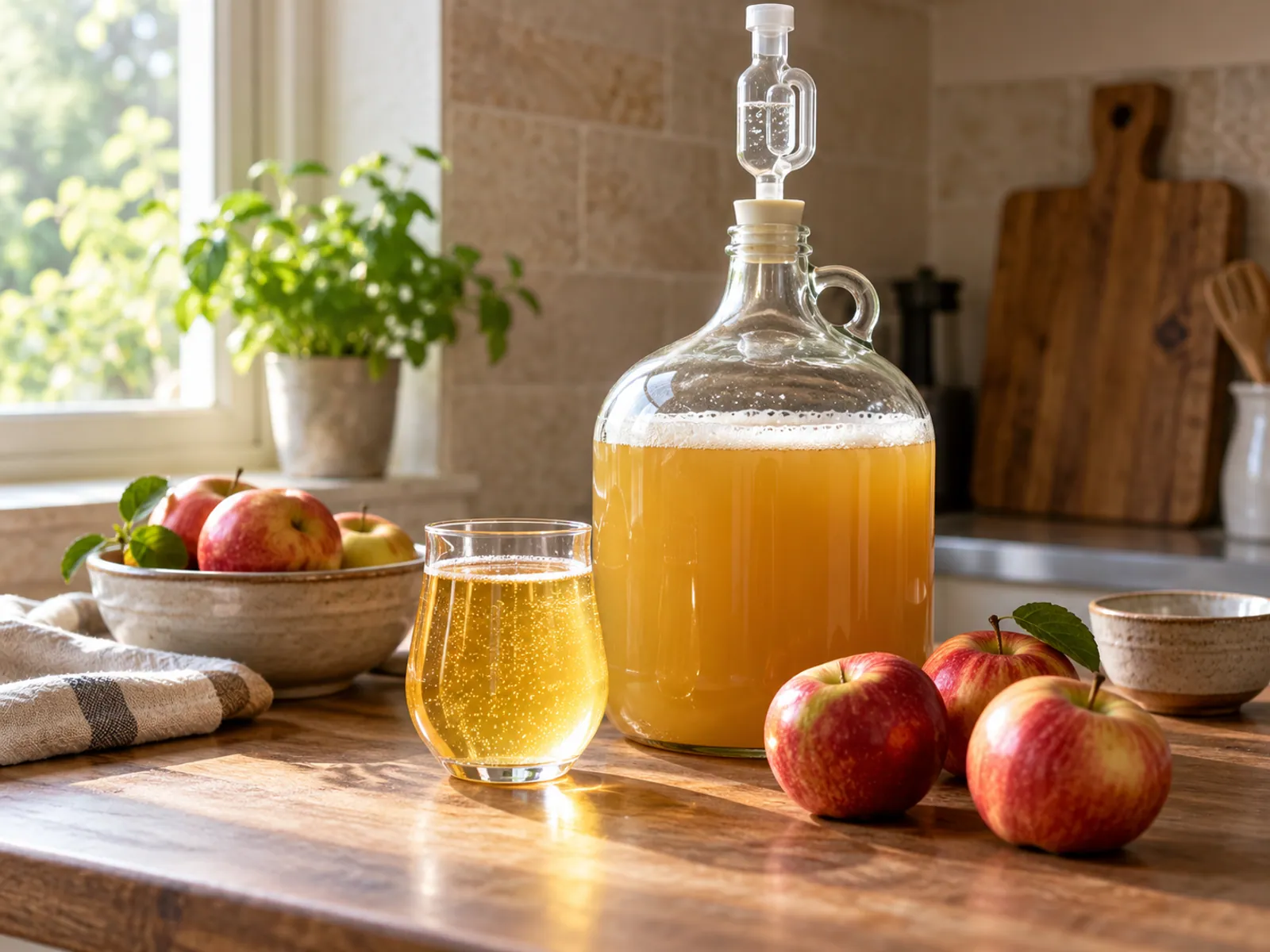
Fermented Sodas
7 recipe guides
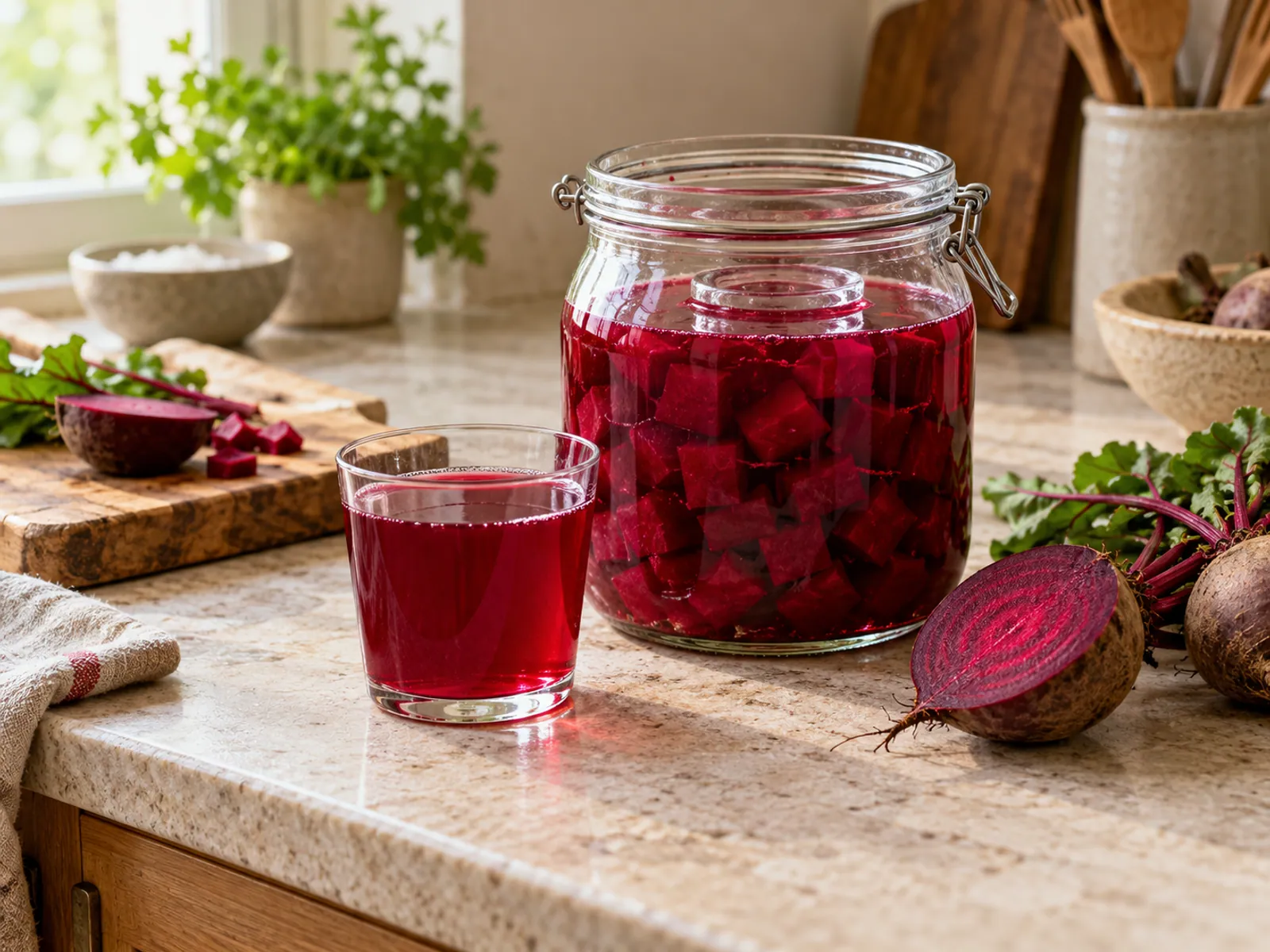
- Beet Kvass: How to Make Fermented Beet Tonic Fermented Sodas · Beet kvass is a salty, earthy, lacto-fermented beet drink. Beets and salt per litre, why to chop rather than grate, ferment times, the white film on top, how to make a second batch, and how to drink it.
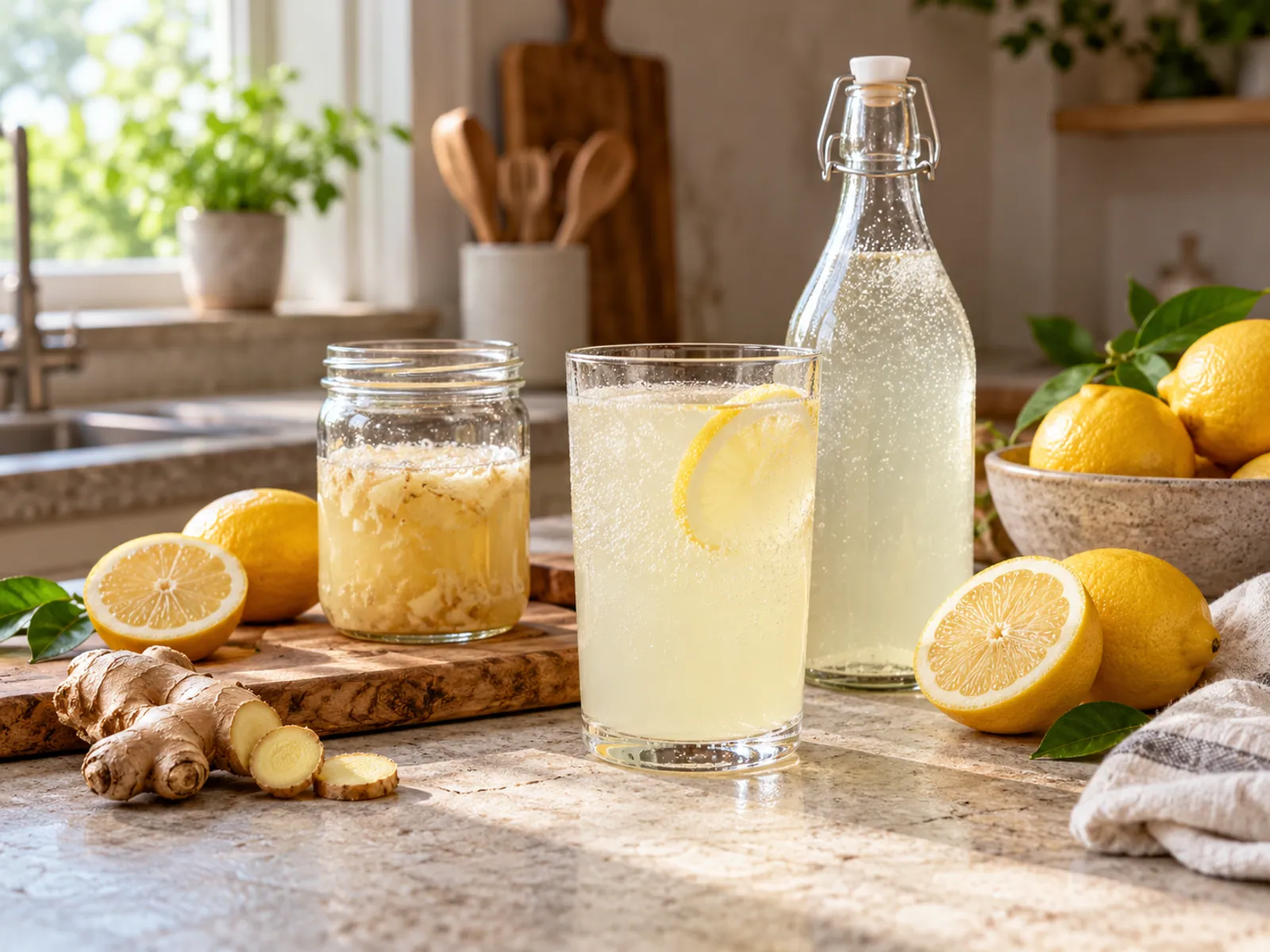
- Fermented Lemonade: Fizzy Probiotic Lemonade Recipe Fermented Sodas · Naturally fizzy fermented lemonade with a ginger bug, whey or water kefir. Lemon juice, sugar and starter for 2 litres, bottling time, how to keep it from getting bitter, and how sweet the finished lemonade will be.
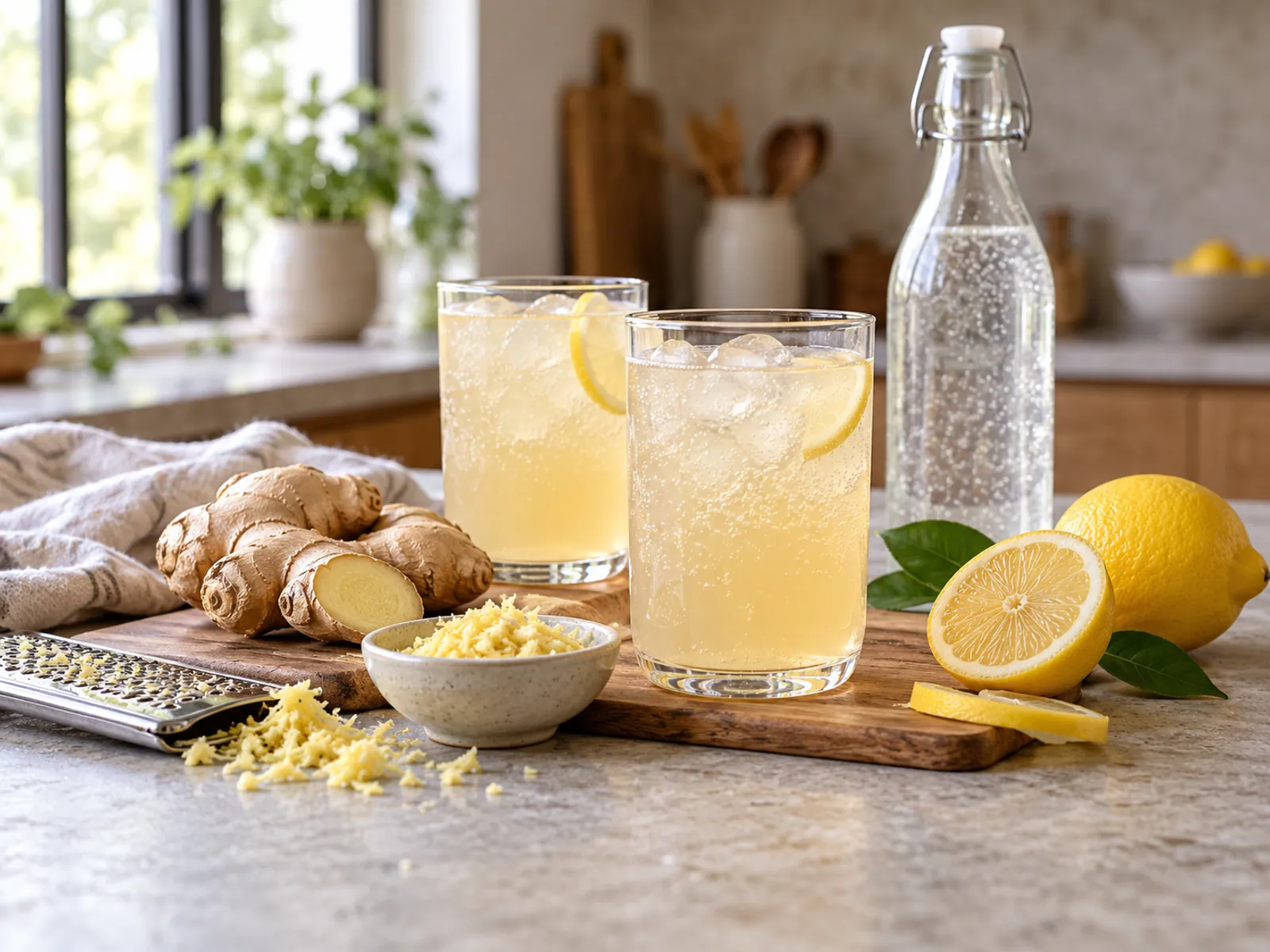
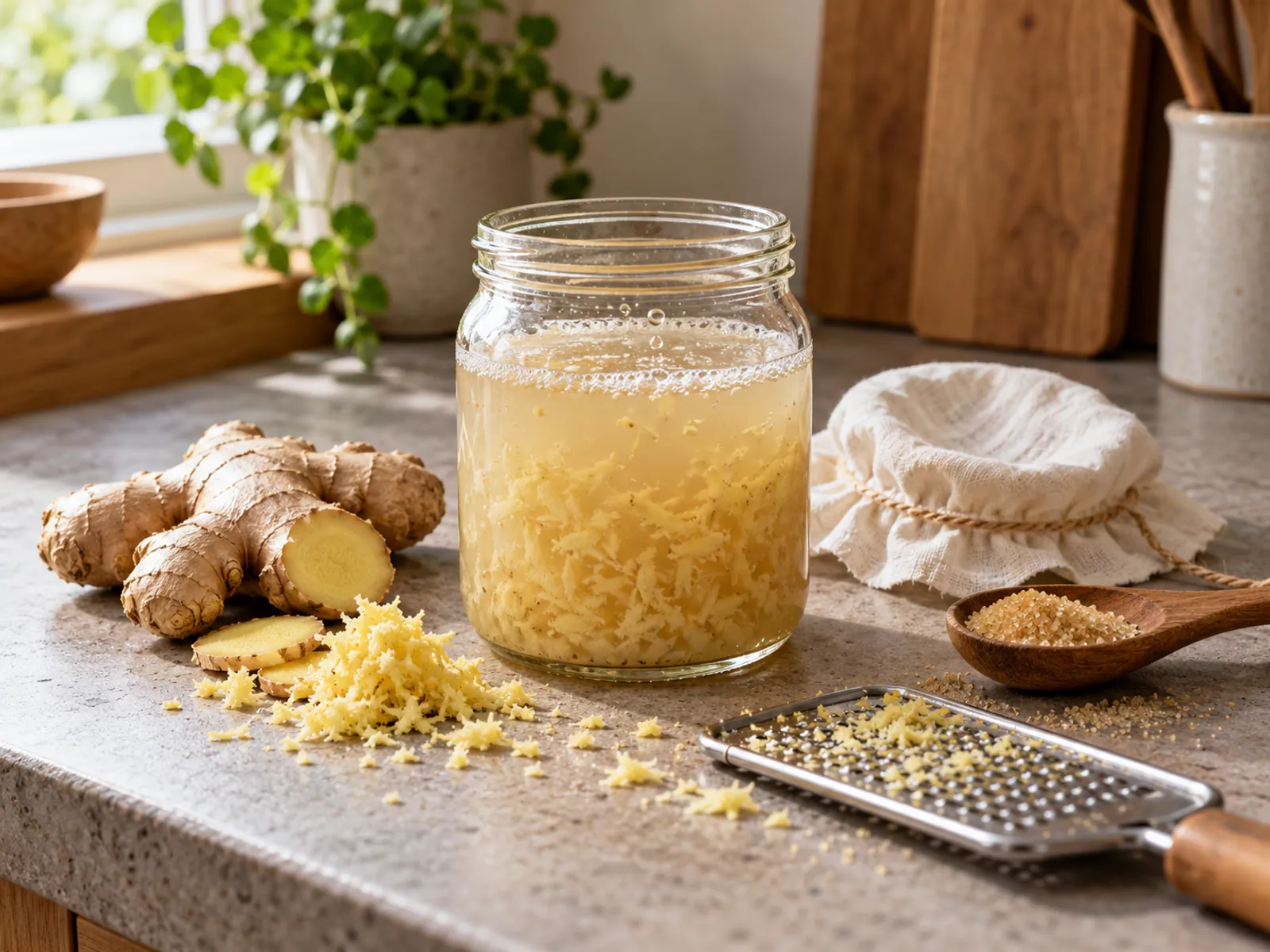
- Homemade Ginger Beer With a Ginger Bug (Non-Alcoholic) Fermented Sodas · How to make naturally fizzy, non-alcoholic ginger beer with a ginger bug: ginger, sugar and lemon amounts for 2 litres, bottling and timing, how to make it spicier, and how it differs from ginger ale and alcoholic ginger beer.
- Ginger Bug: How to Make a Ginger Bug Starter for Homemade Soda Fermented Sodas · A ginger bug is a wild yeast and bacteria starter made from fresh ginger, sugar and water. Day-by-day method, feeding schedule, signs it is ready, how much to use per batch of soda, how to keep it in the fridge, and fixes for a slow or mouldy bug.
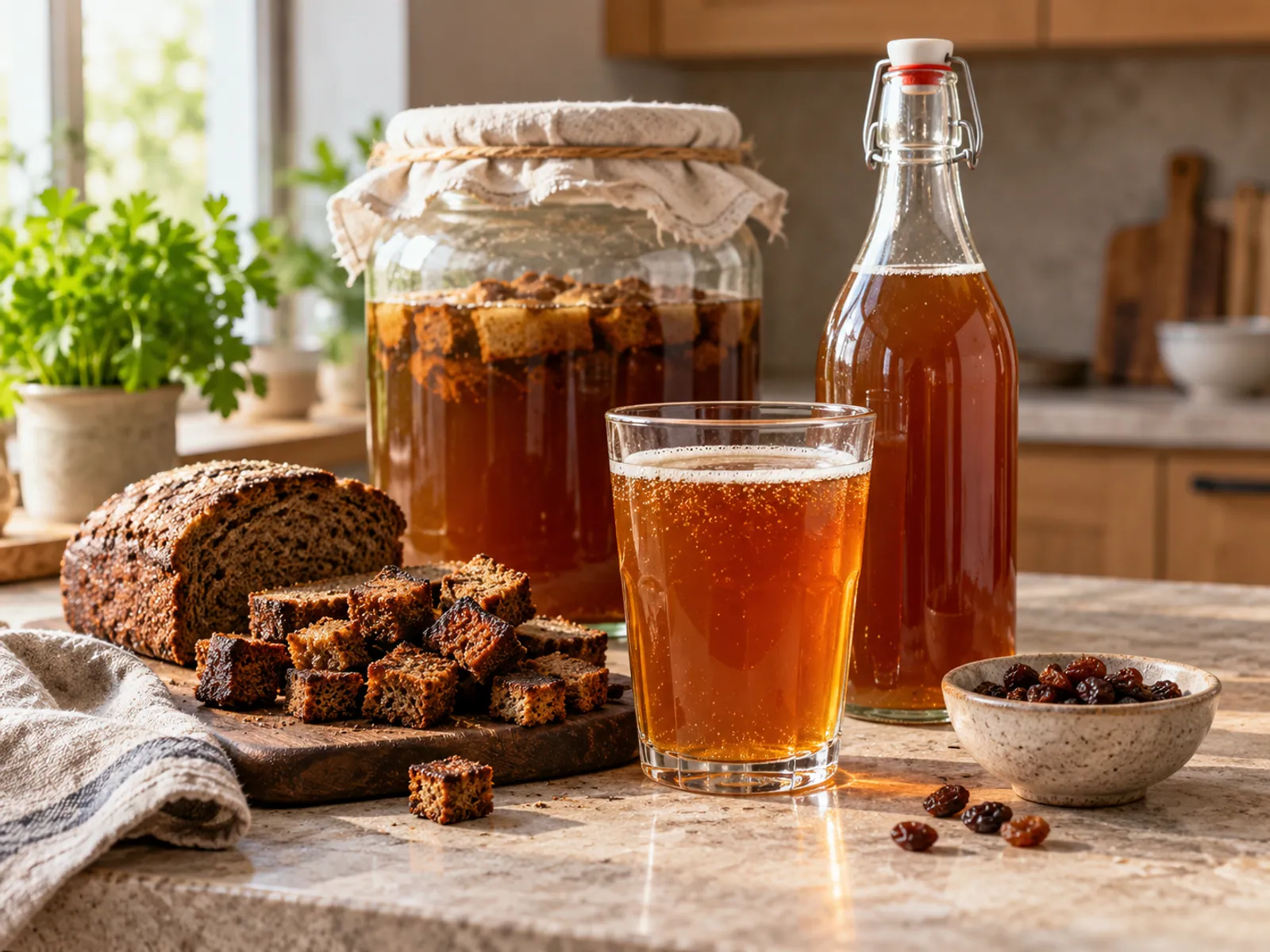
- Kvass: How to Make Traditional Bread Kvass at Home Fermented Sodas · Bread kvass is a lightly fermented drink made from toasted rye bread, sugar and yeast. Amounts for 3 litres, steeping and fermenting times, bottling for fizz, alcohol content, and how to make it with a sourdough starter.
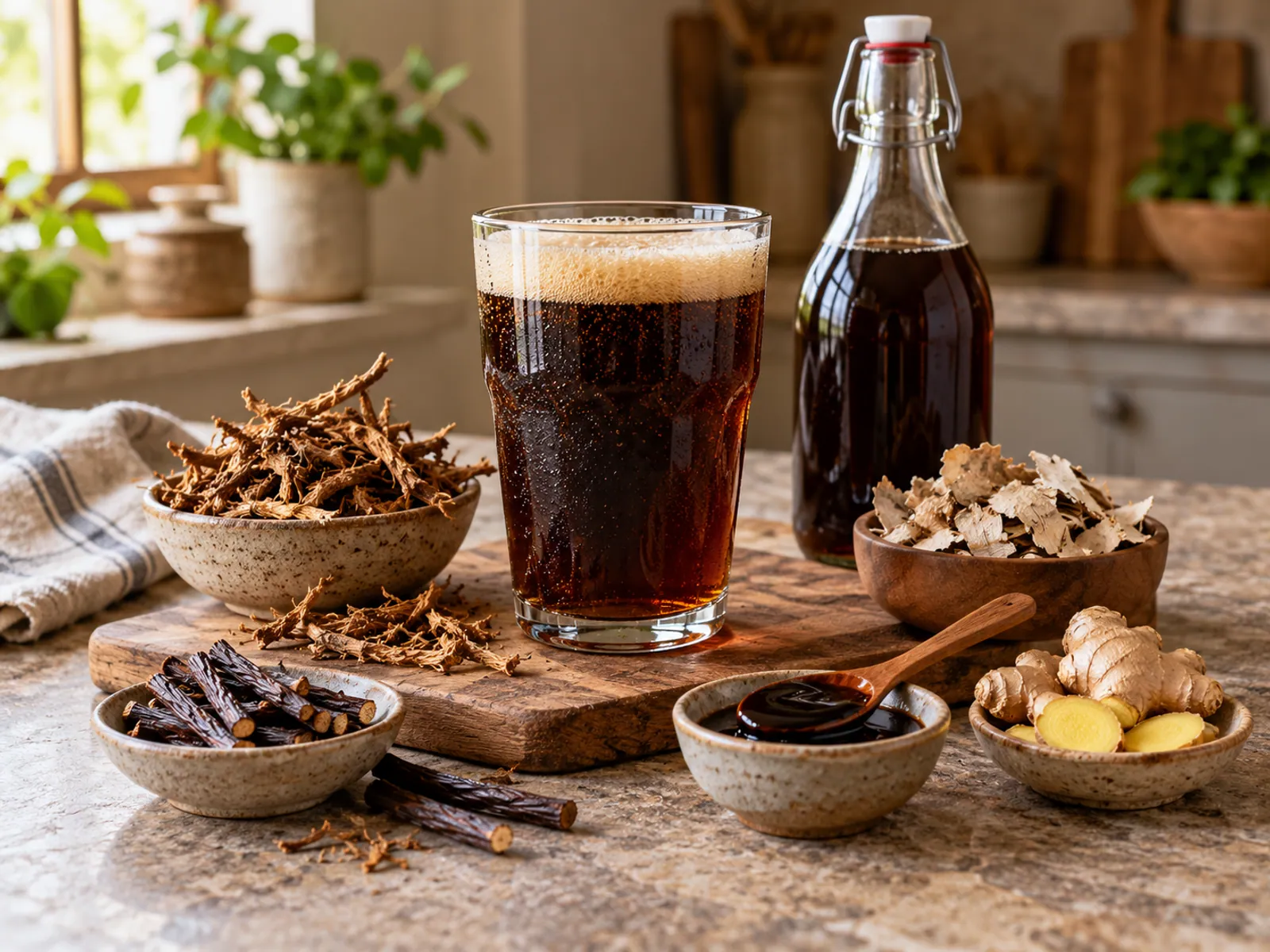
- Homemade Root Beer: Naturally Fermented With Real Roots Fermented Sodas · How to make naturally fermented root beer from sarsaparilla, birch, licorice and ginger with a ginger bug or yeast. Roots and sugar for 2 litres, brewing and bottling, why to skip whole sassafras, and making it creamier.
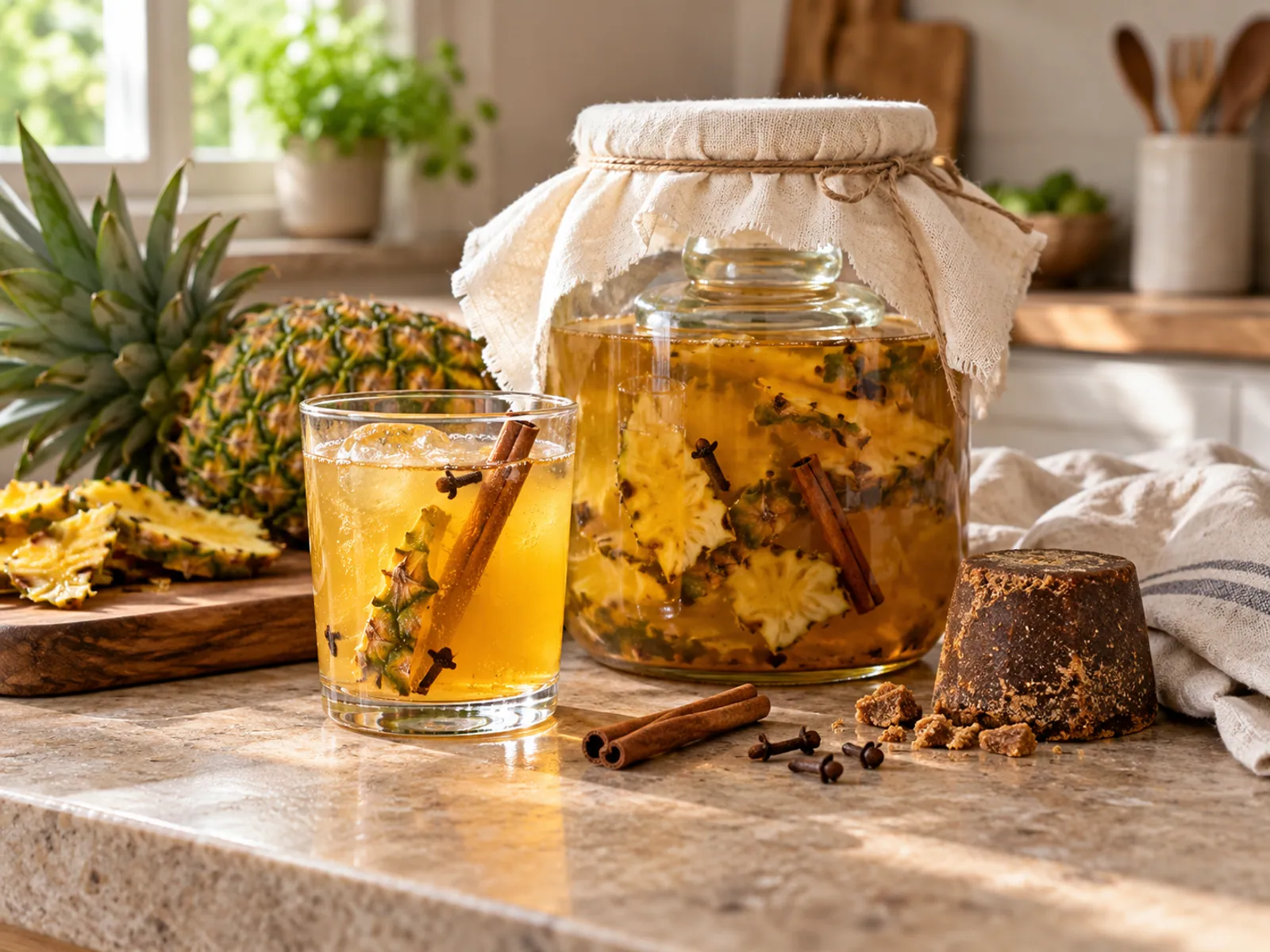
- Tepache: How to Make Mexican Fermented Pineapple Drink Fermented Sodas · Tepache recipe: pineapple rind and core fermented with piloncillo, cinnamon and cloves for 2–3 days. Amounts for 2 litres, how long to ferment, how to make it fizzy, alcohol content, and what to do when it goes too far.
Vinegar
3 recipe guides
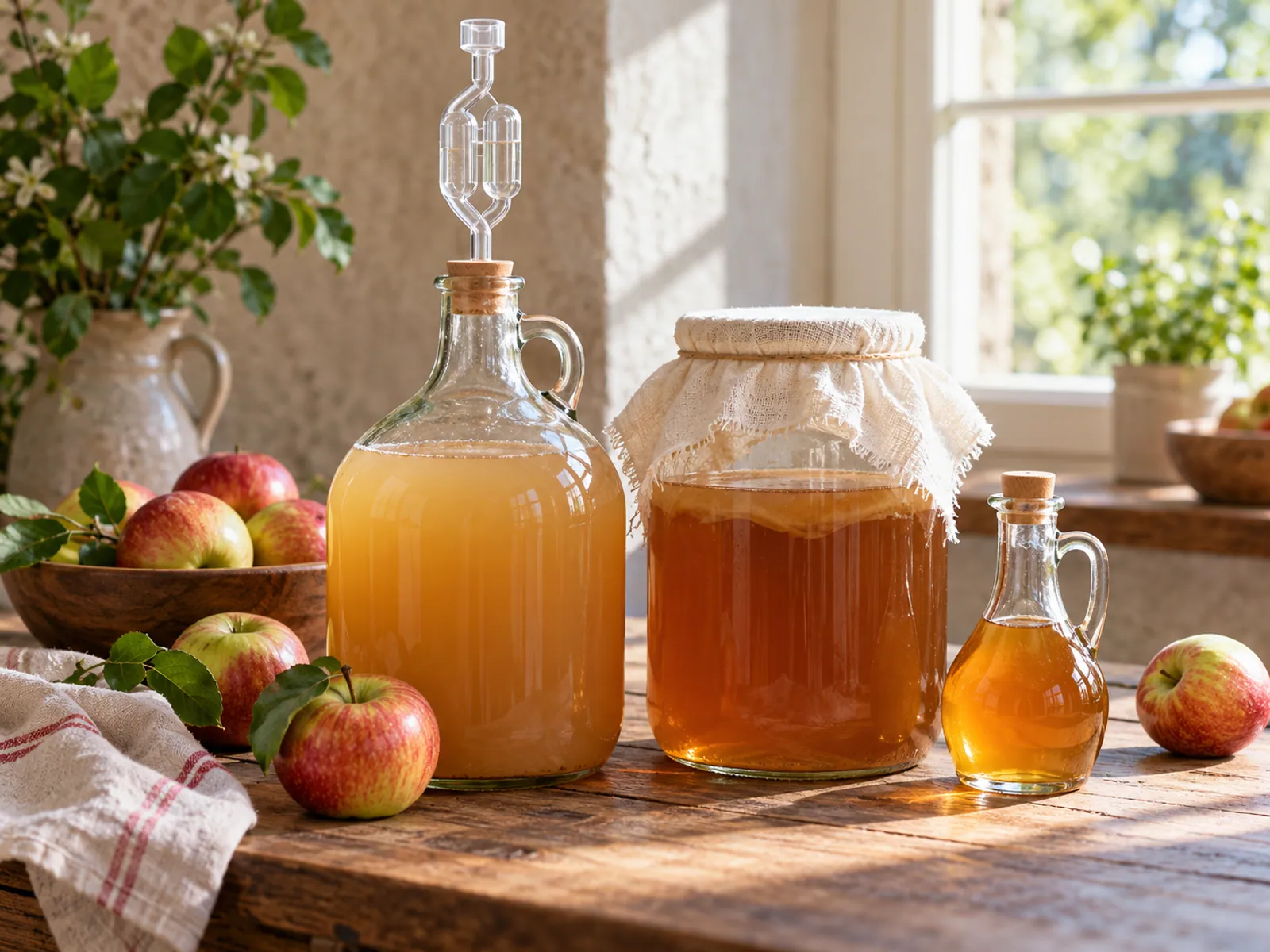
- How to Make Apple Cider Vinegar at Home (From Juice or Apples) Vinegar · Homemade apple cider vinegar in two fermentations: turn apple juice into dry hard cider, then add raw vinegar and leave it covered with cloth for 4–8 weeks. Quantities per litre, temperatures, how to tell it is ready, and how to test its strength.
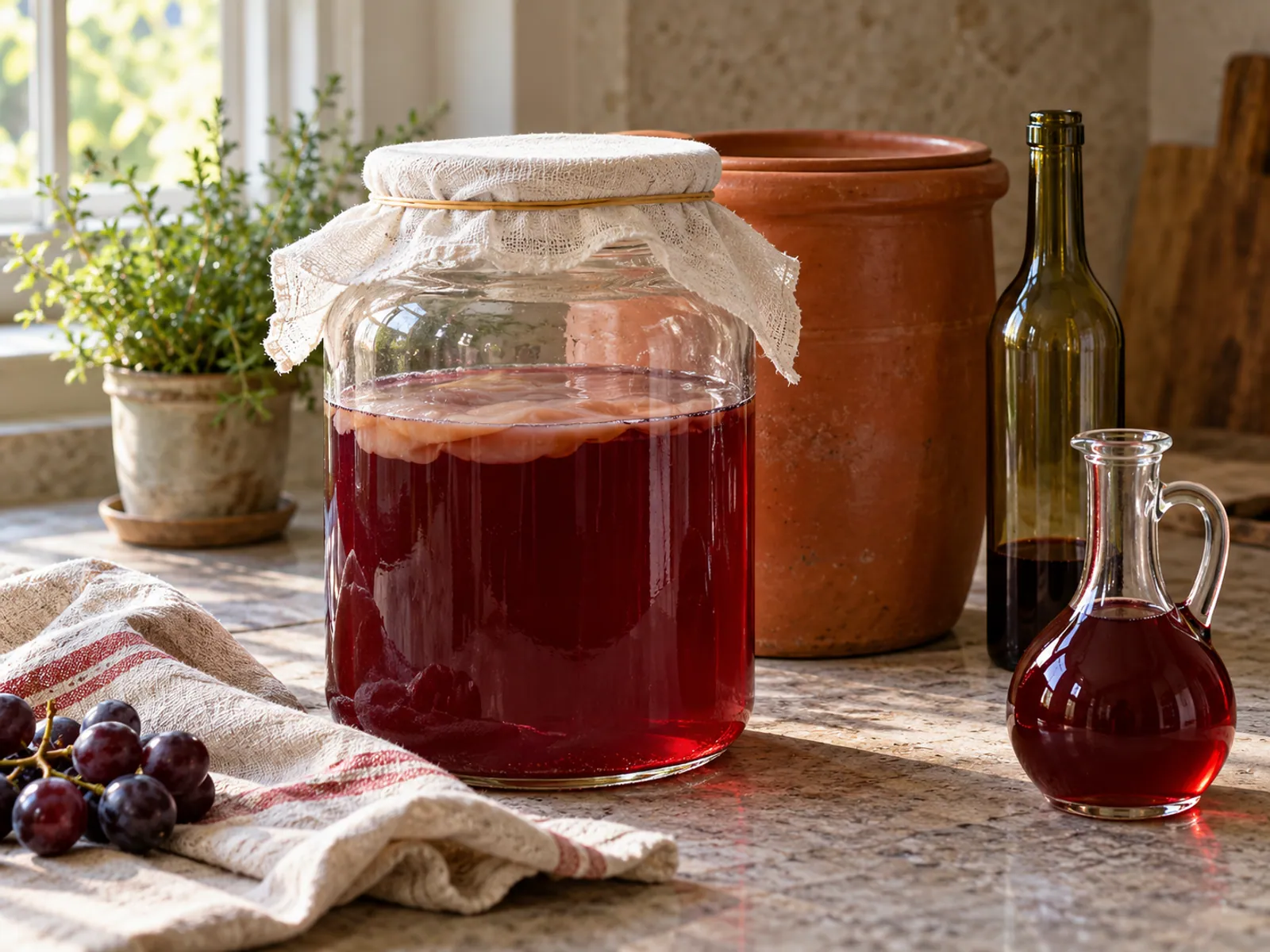
- How to Make Wine Vinegar at Home (Red or White) Vinegar · Homemade red or white wine vinegar: dilute wine to about 8% ABV, add raw vinegar or a mother, cover with cloth and leave for 4–8 weeks. Ratios per bottle, why sulfites matter, and how to keep a continuous vinegar crock going.
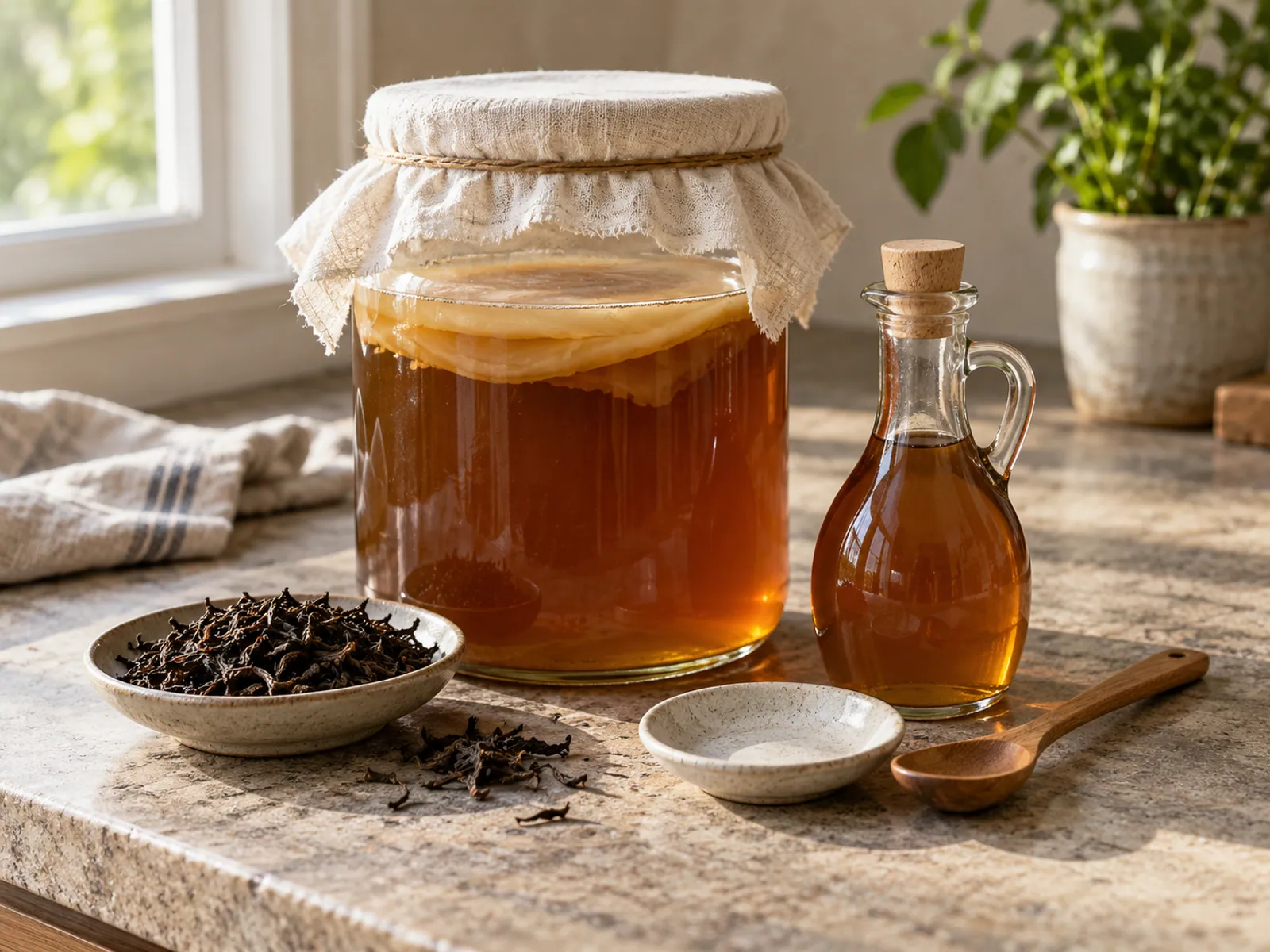
- Kombucha Vinegar: How to Make It and How to Use It Vinegar · Kombucha left to ferment for weeks turns into kombucha vinegar. How long it takes, how strong it gets, how it differs from cider vinegar, and the best uses for it in the kitchen, as a starter and around the house.
Koji, Miso & Soy
7 recipe guides
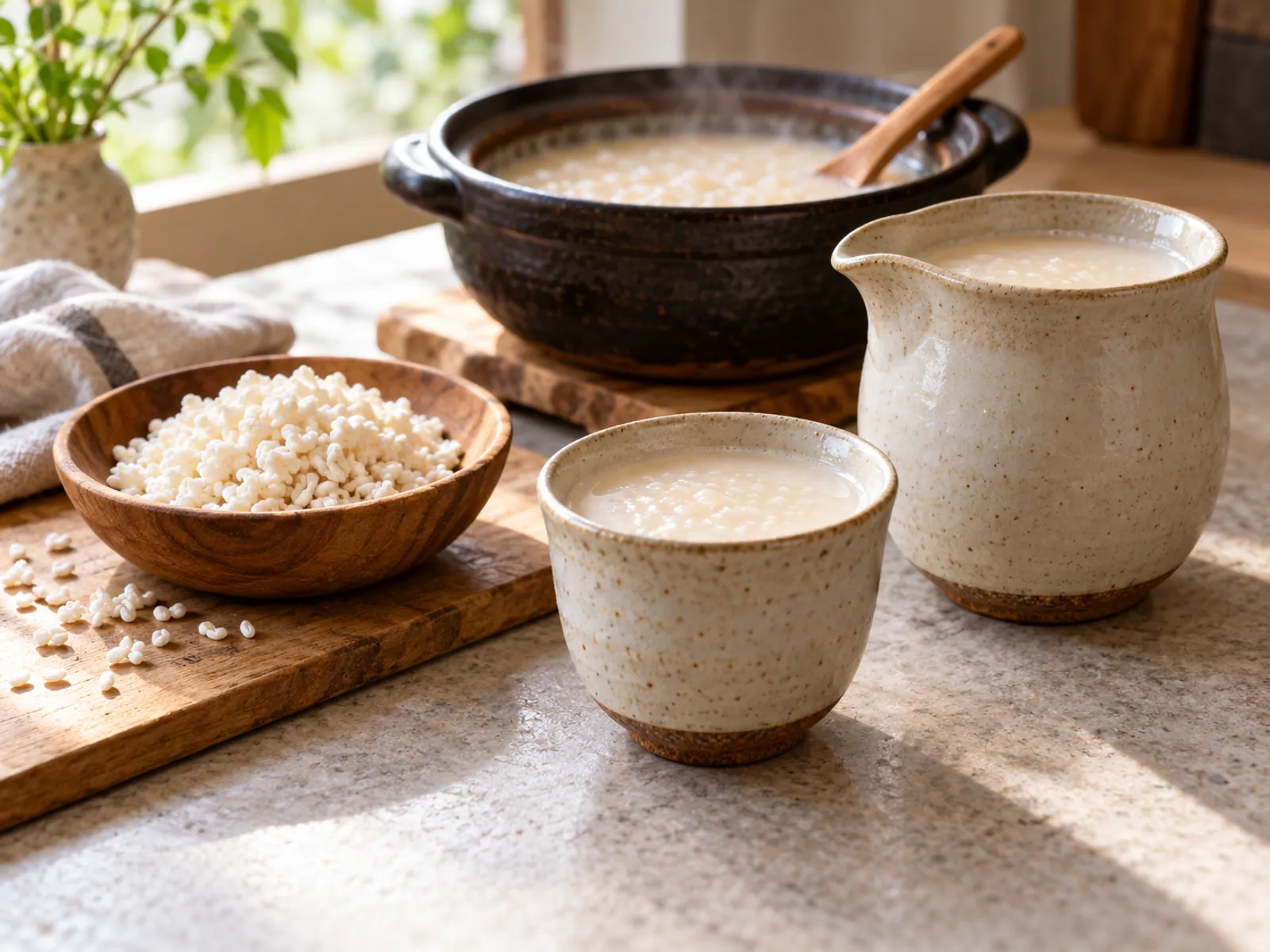
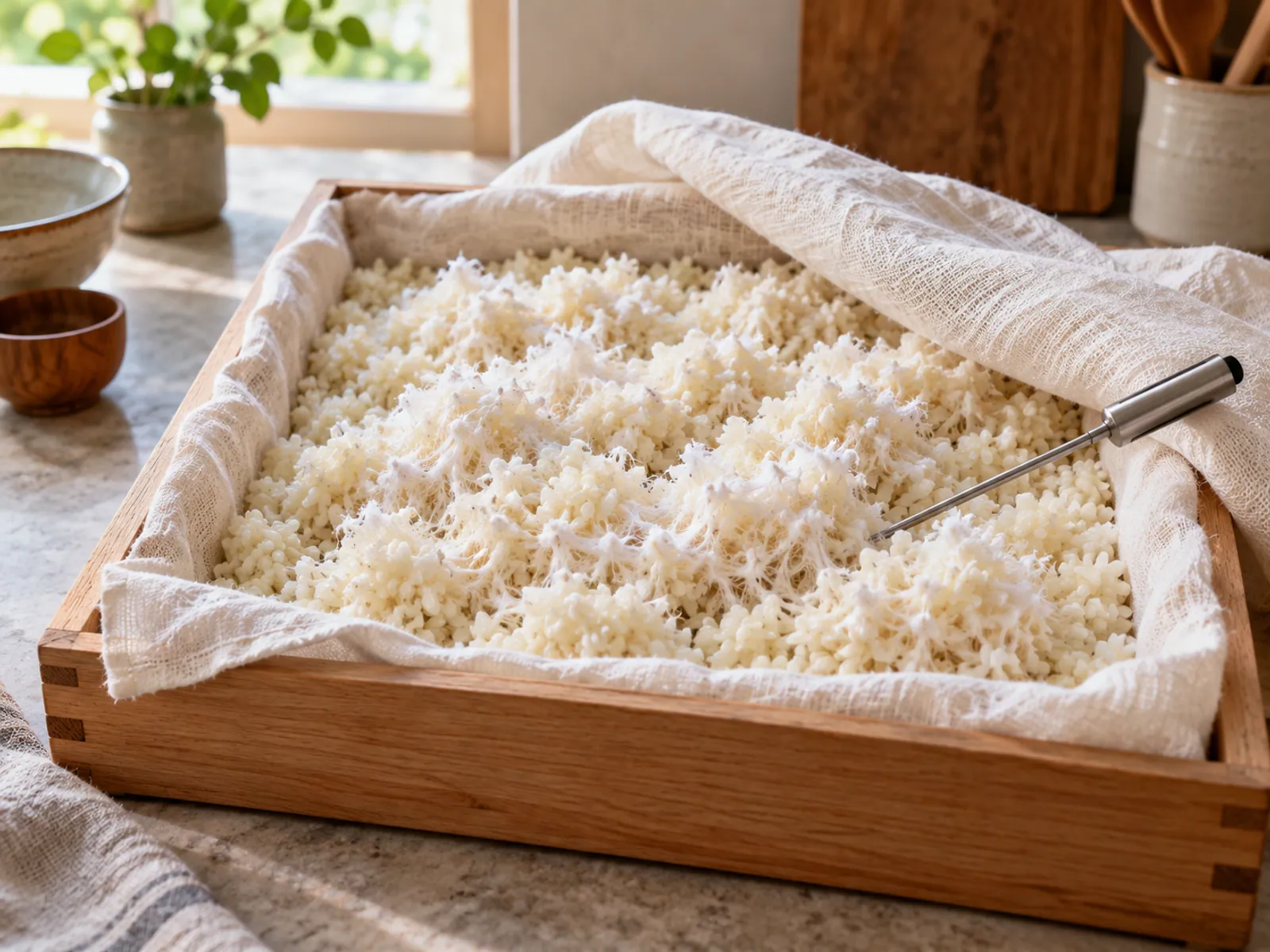
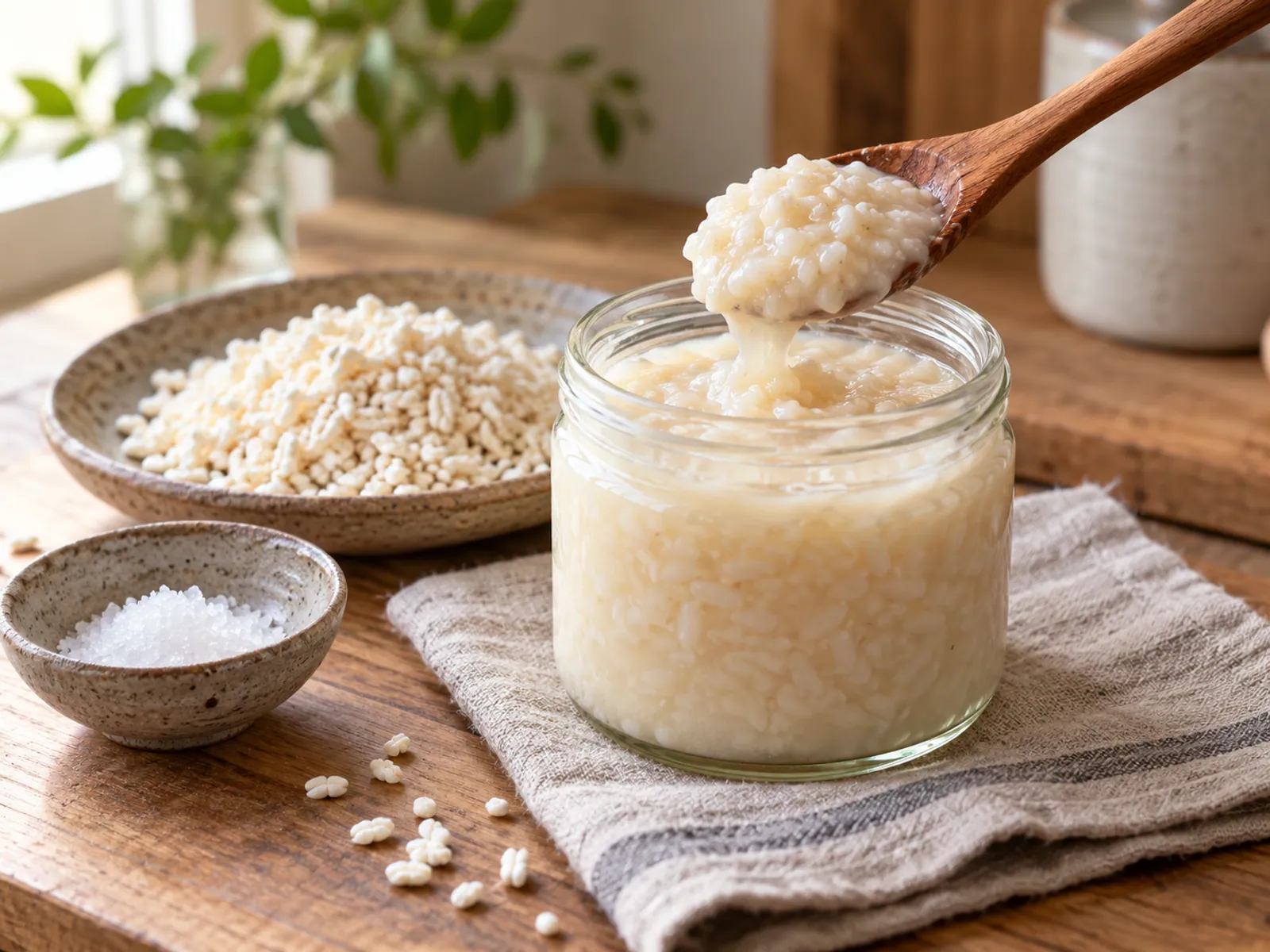
- Amazake: How to Make Sweet Koji Rice Drink at Home Koji, Miso & Soy · Amazake is a naturally sweet, non-alcoholic rice drink made by holding rice and koji at 55–60°C for 6–10 hours. Rice, koji and water amounts, how to keep the temperature, why it turns sour, and ways to use it as a drink and a sugar substitute.
- How to Make Koji at Home: Growing Rice Koji Step by Step Koji, Miso & Soy · Grow your own rice koji with Aspergillus oryzae spores: soaking and steaming rice, inoculating, incubating at 28–35°C for about 48 hours, breaking up clumps, and how to tell good koji from bad. Plus how to store it and what to make with it.
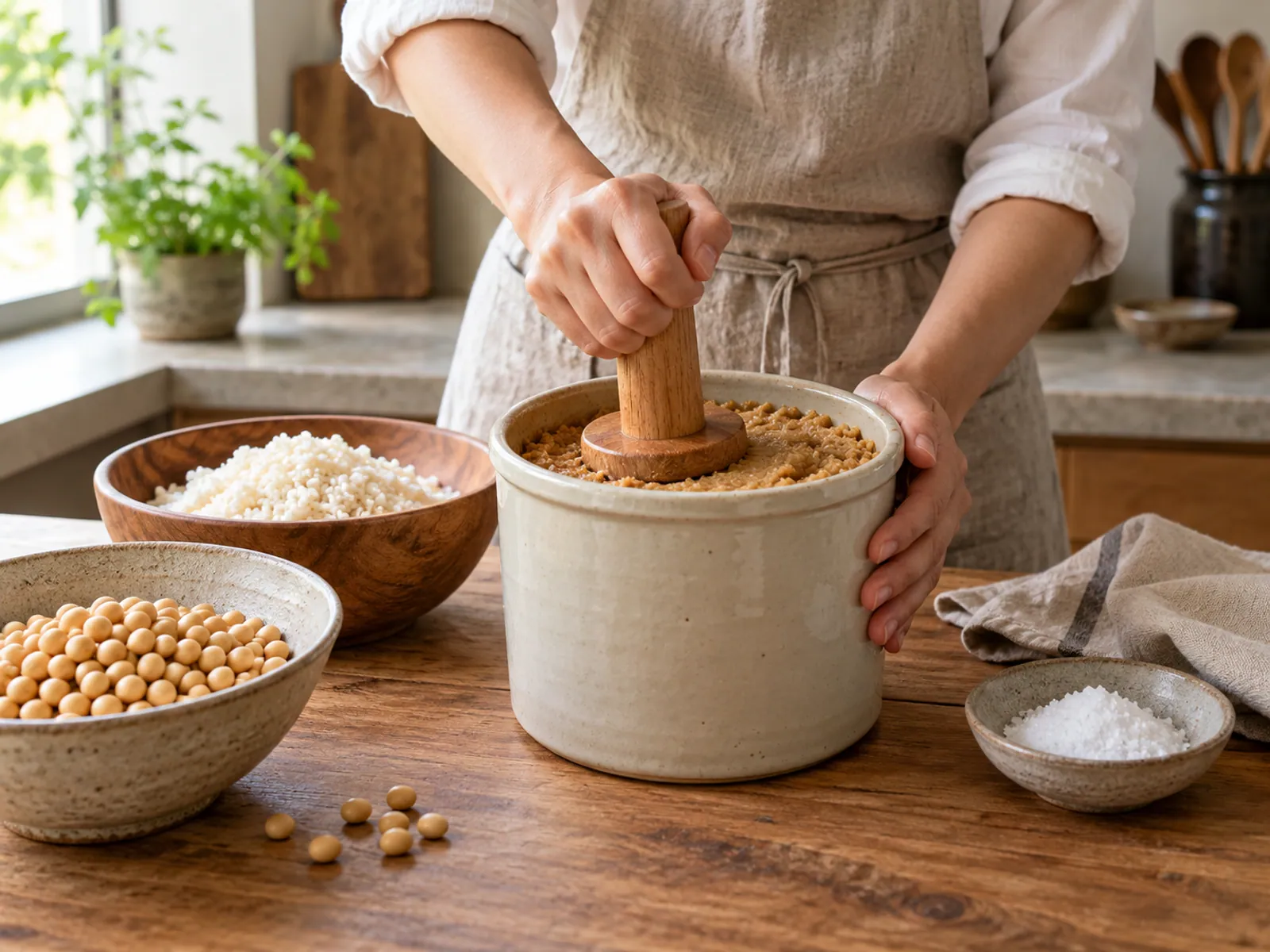
- How to Make Miso at Home: Homemade Miso Step by Step Koji, Miso & Soy · Homemade miso from soybeans, rice koji and salt: soaking and cooking the beans, mixing, packing the crock, surface salt and weights, how long to age it, and what is normal on top. Ratios for yellow miso, plus sweet white and red variations.
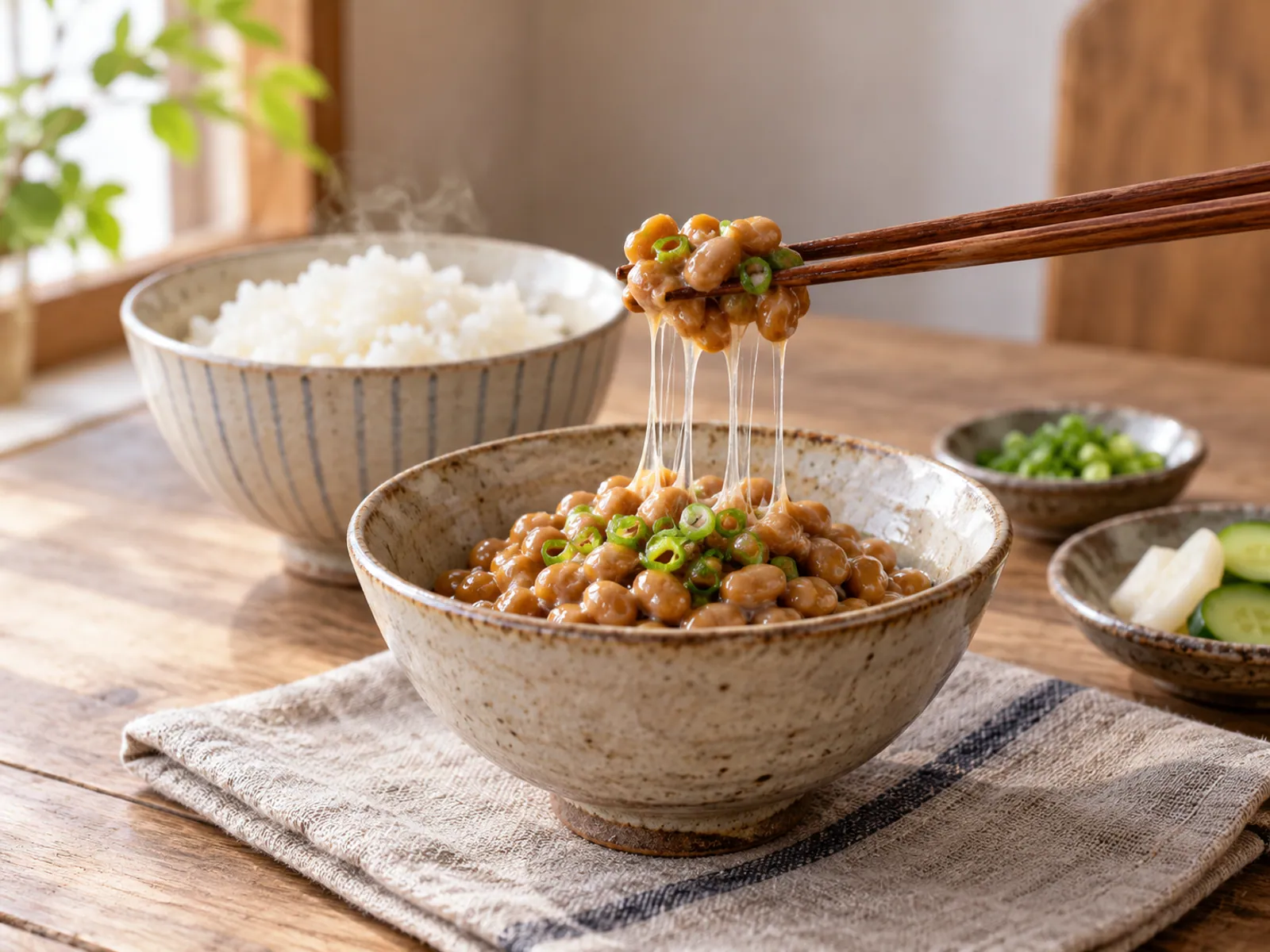
- How to Make Natto at Home: Sticky Fermented Soybeans Koji, Miso & Soy · Homemade natto with Bacillus subtilis natto: soaking and steaming small soybeans, inoculating while hot, fermenting at 40°C for about 24 hours, then ageing in the fridge. How to tell it worked, too much ammonia, storage, and vitamin K2.
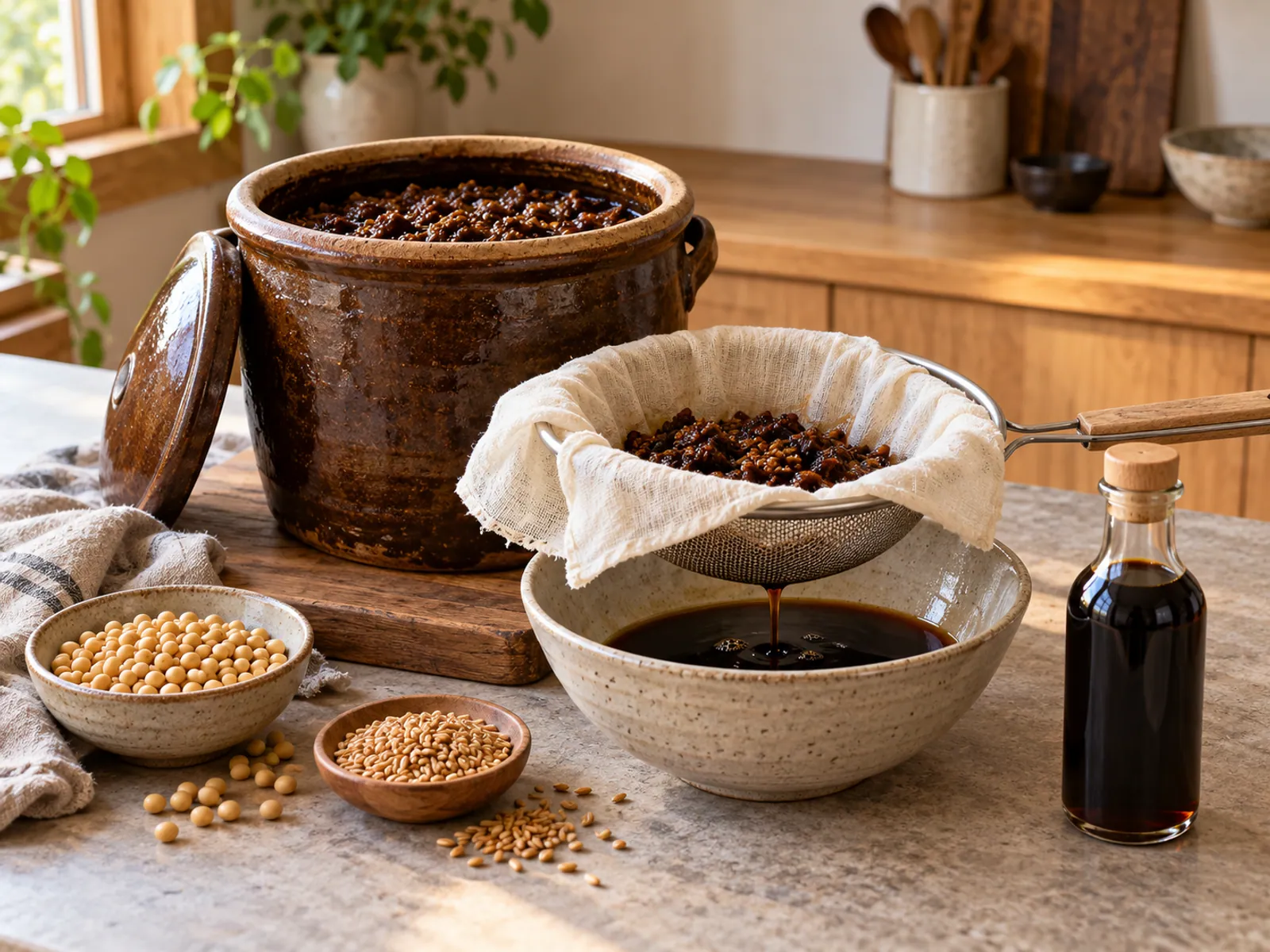
- How to Make Soy Sauce at Home (Traditional Brewed Shoyu) Koji, Miso & Soy · Traditionally brewed soy sauce at home: steamed soybeans and roasted wheat grown into koji, mixed with a 20% salt brine, and aged for 6–12 months before pressing. Ratios, brine strength, stirring schedule, pressing and pasteurising, plus tamari.
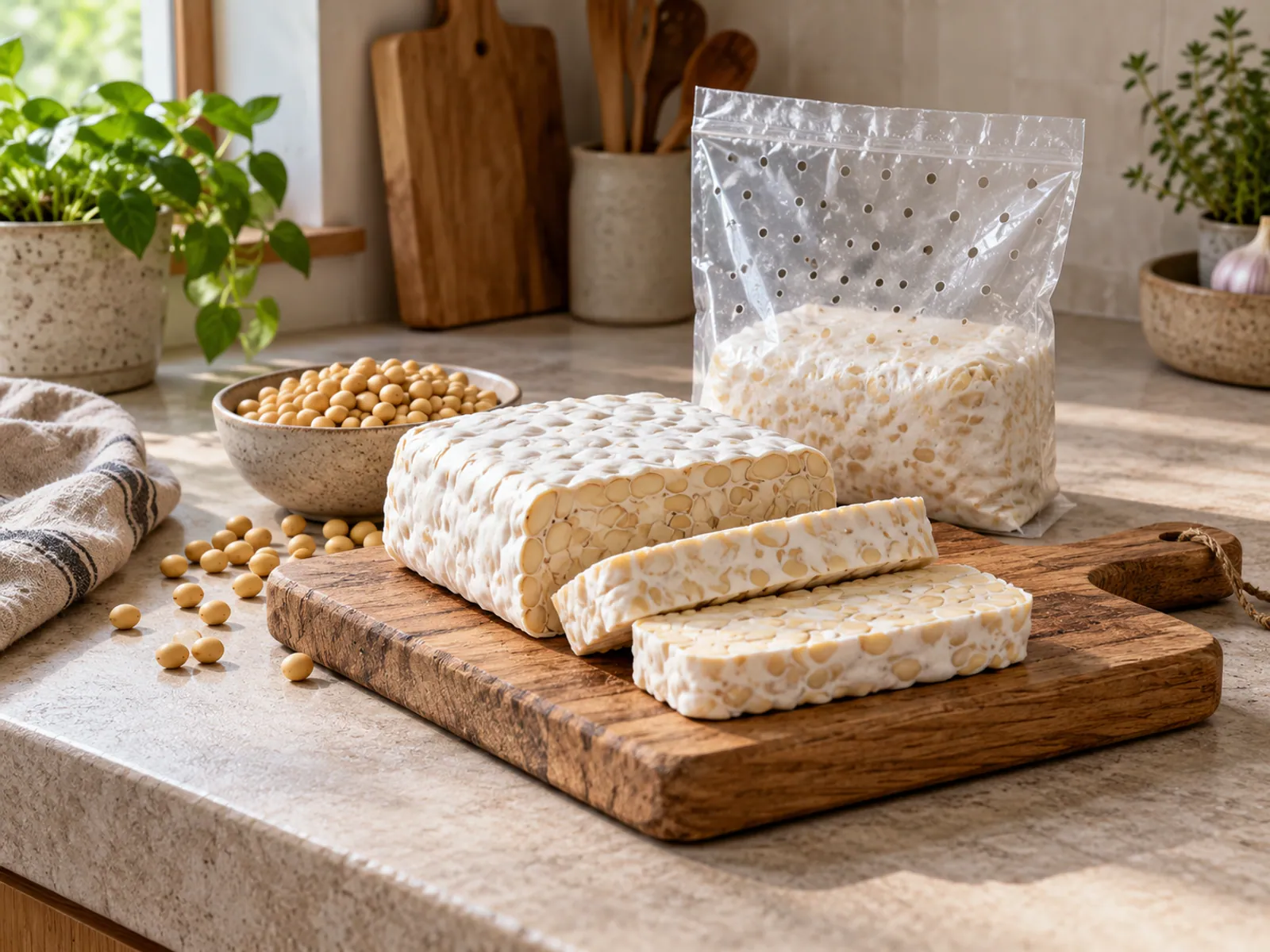
- How to Make Tempeh at Home: Step-by-Step Tempeh Recipe Koji, Miso & Soy · Homemade tempeh from soybeans and Rhizopus starter: dehulling, cooking with vinegar, drying, inoculating, packing in perforated bags, and incubating at 30–32°C for 24–48 hours. How to tell good tempeh from bad, and how to store it.
- Shio Koji: How to Make It and How to Use It Koji, Miso & Soy · Shio koji is rice koji fermented with salt and water into a savoury, sweet seasoning and marinade. Ratios for about 12% salt, how long to ferment, how much to use on meat, fish and vegetables, and how to swap it for salt.
General
6 recipe guides
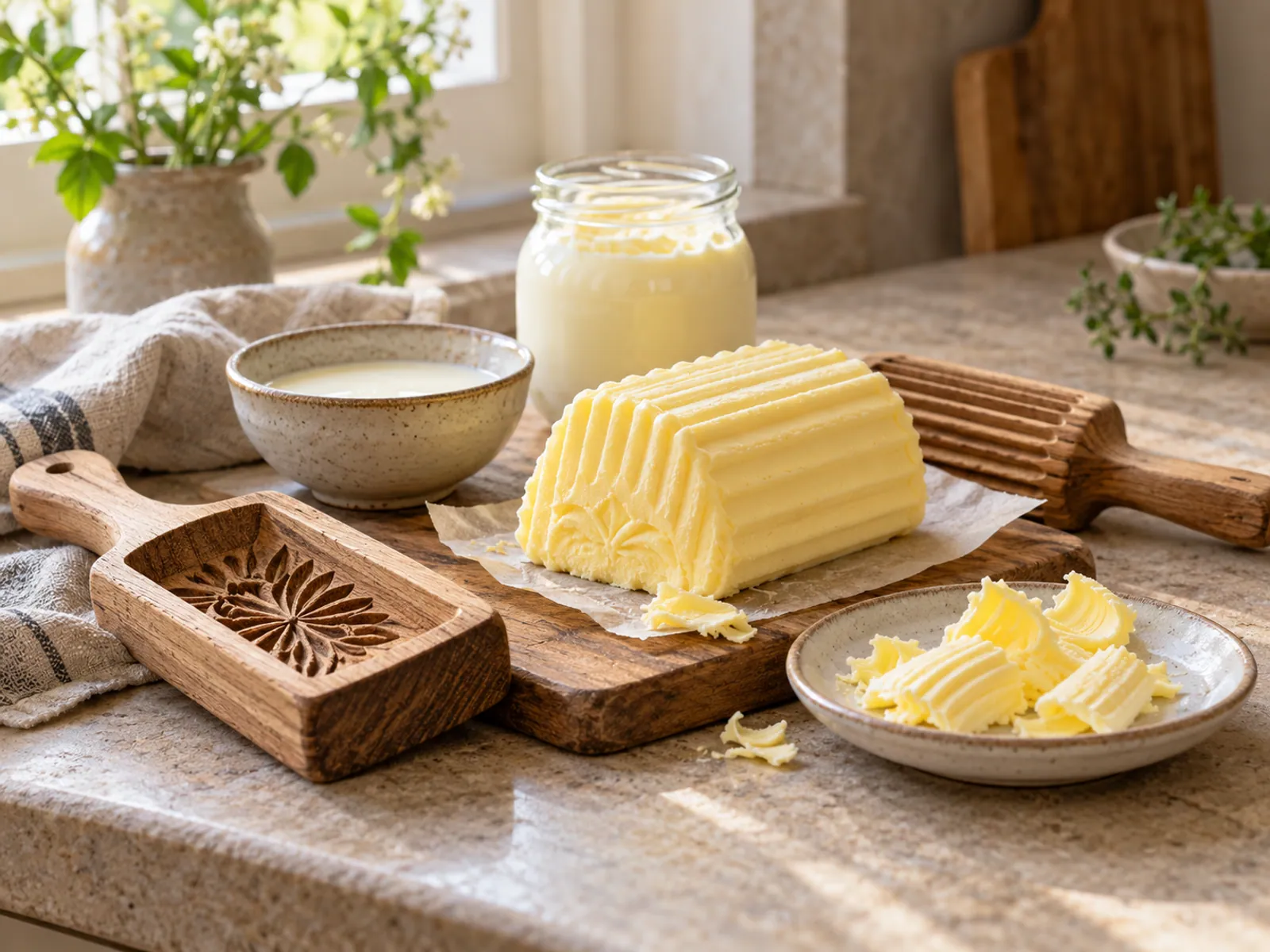
- Cultured Butter — How to Make It at Home General · How to make cultured butter at home — ferment heavy cream with live cultures, then churn, wash, and shape. Tangy, rich, and ready in 2 days.
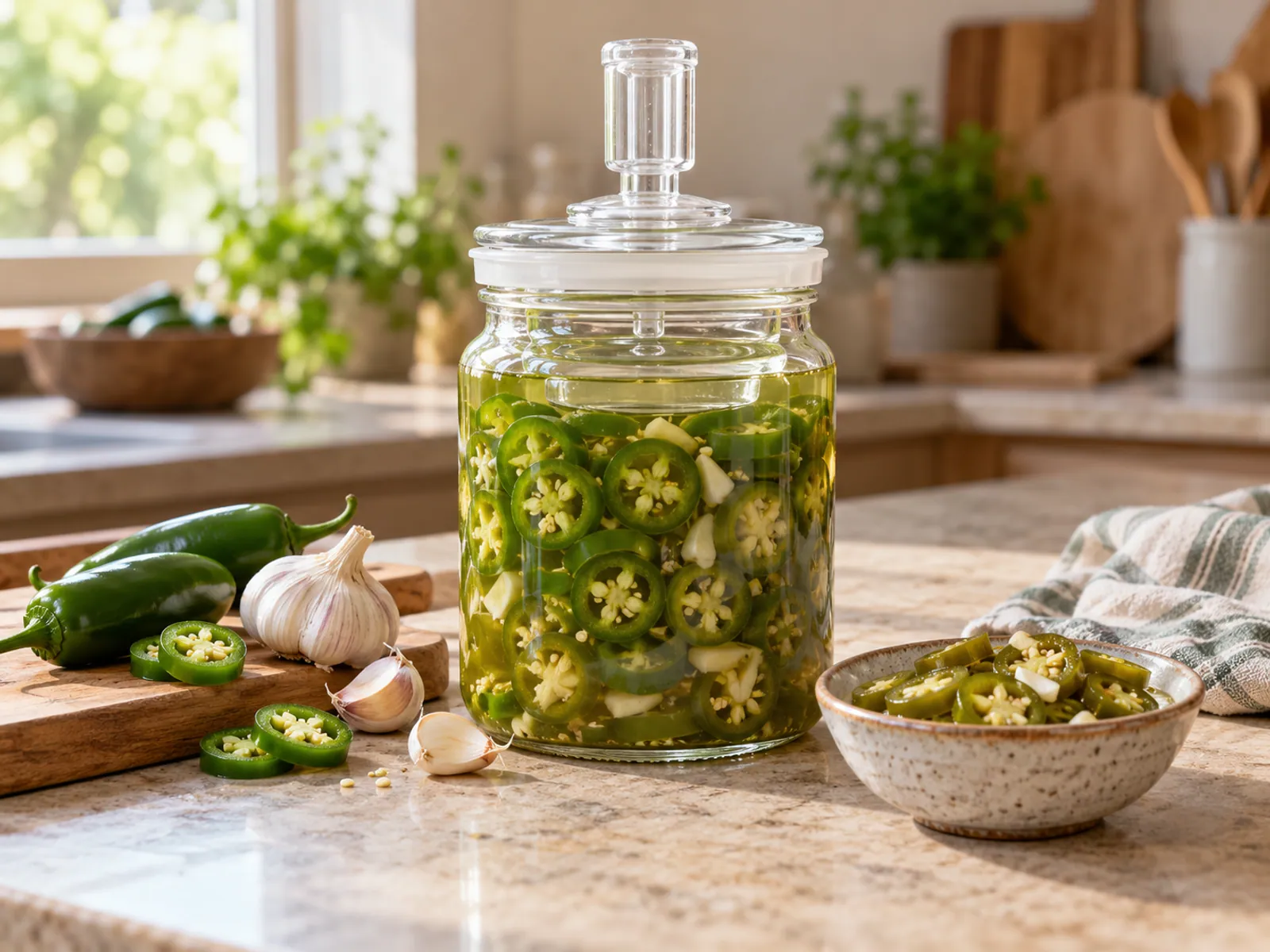
- Fermented Jalapeños: Brine Recipe, Salt %, Timing & Heat General · How to make fermented jalapeños: whole or sliced peppers in a 3–5% brine for 1–2 weeks at 18–24°C. Salt amounts, timing, heat control, storage, and how to turn them into hot sauce.
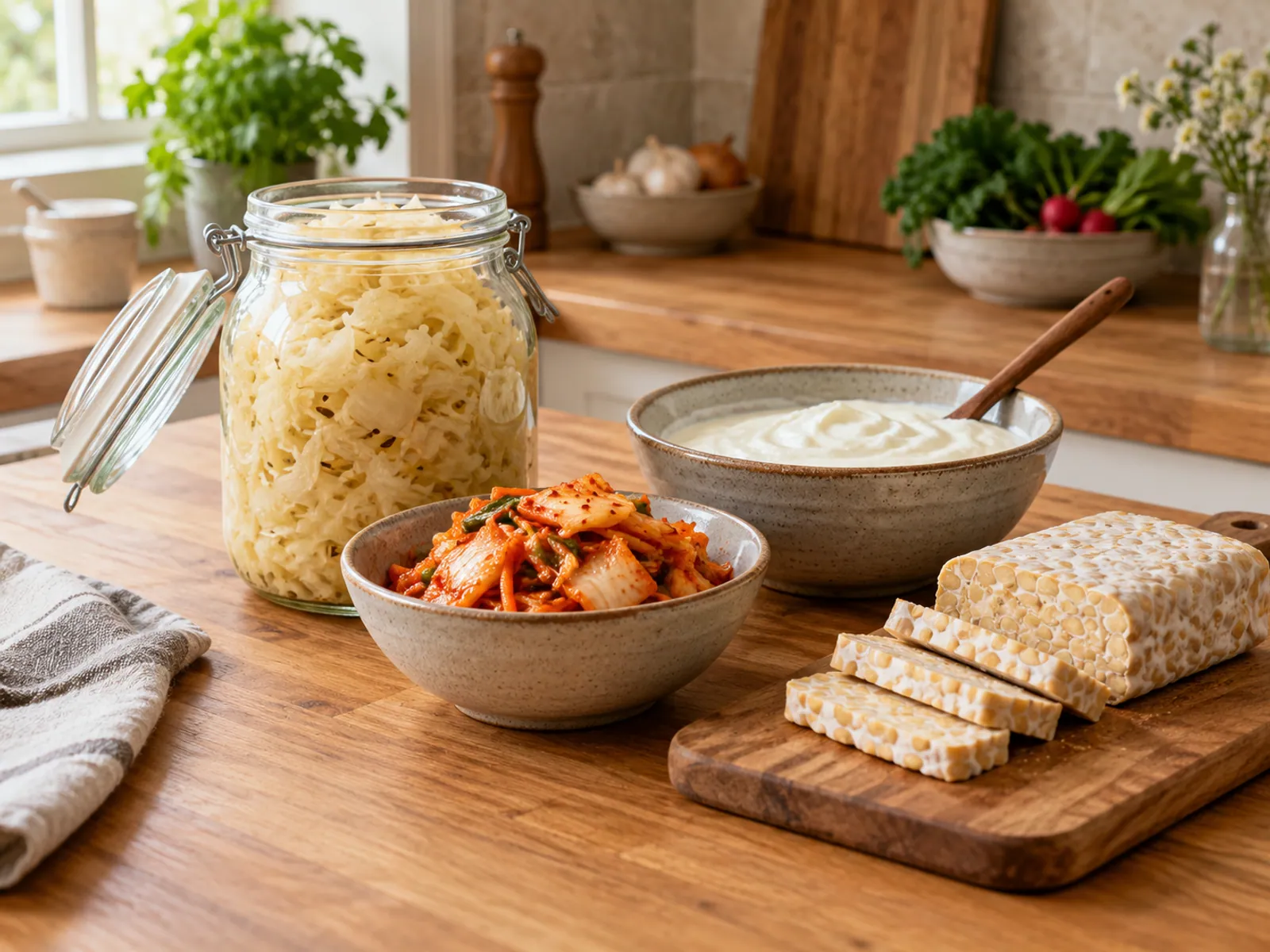
- Fermented Foods Recipes: Vegetables, Dairy, and More General · Practical recipes for 14 fermented foods you can make at home, including sauerkraut, kimchi, pickles, yogurt, kefir, sourdough, miso, tempeh, hot sauce, fermented salsa, curtido, fermented carrots, and fermented garlic. Brine ratios, fermentation times, and troubleshooting included.
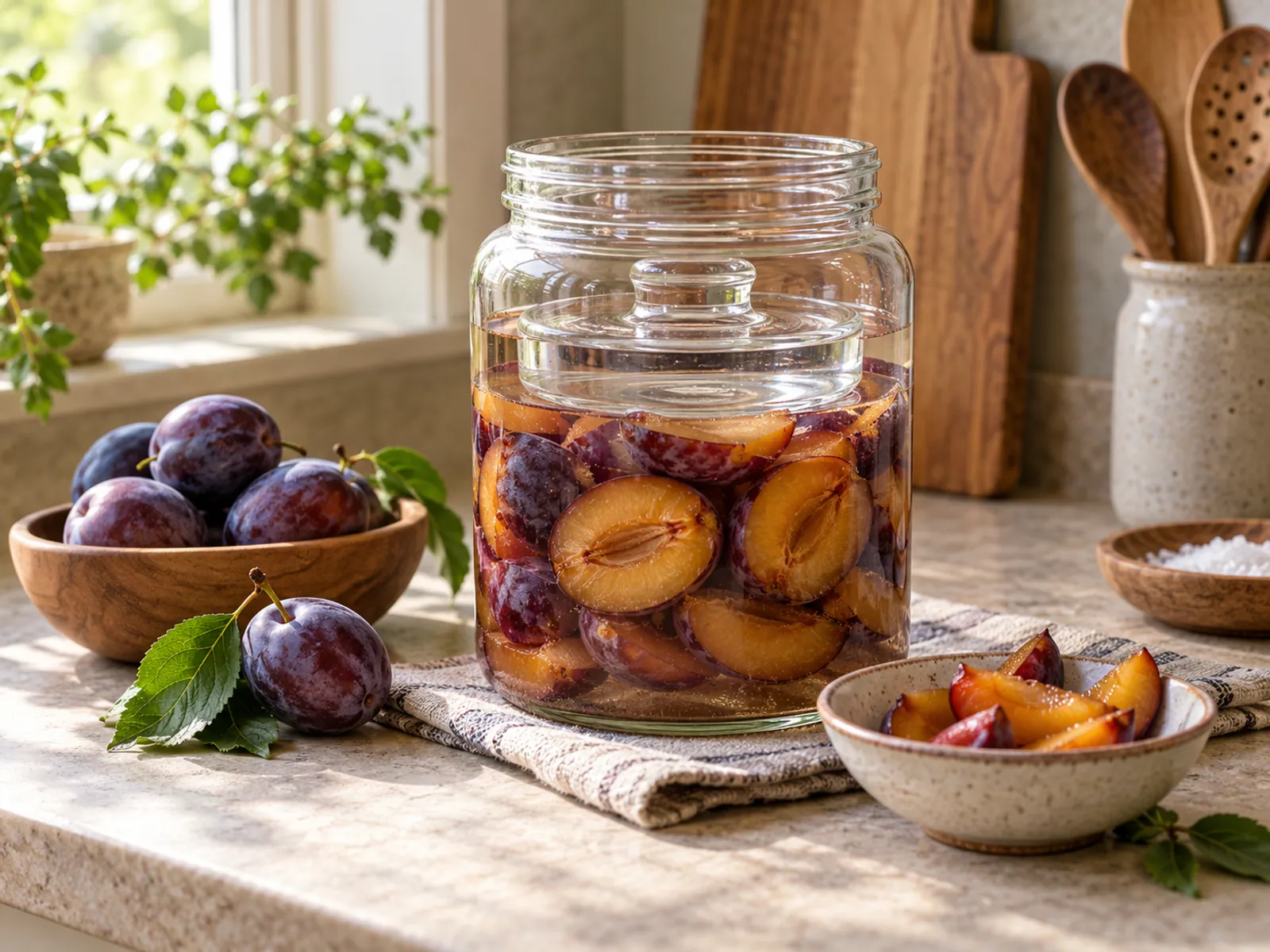
- Fermenting Fruit: Methods, Recipes, and Safety General · Complete guide to fermenting fruit at home, covering lacto-fermentation, alcohol fermentation, fruit vinegar, chutney, and kvass. Includes apricot, raspberry preserve, banana and salt-preserved lemon recipes, with sources and storage guidance.
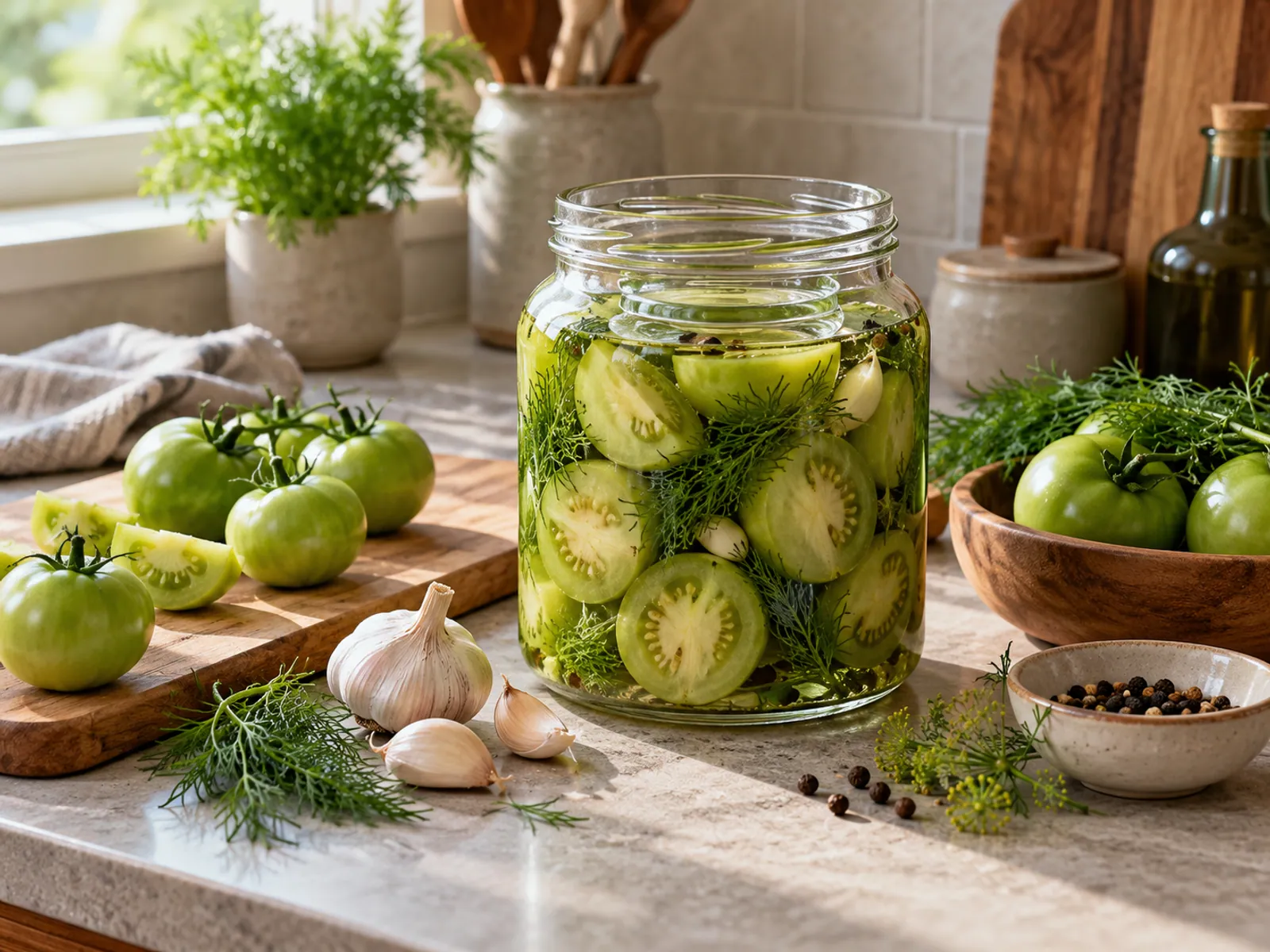
- Fermented Green Tomatoes: Recipe and Method General · How to make fermented green tomatoes with a salt brine, the right additions for flavor, and tips for keeping them firm and crunchy through a 7-14 day ferment.
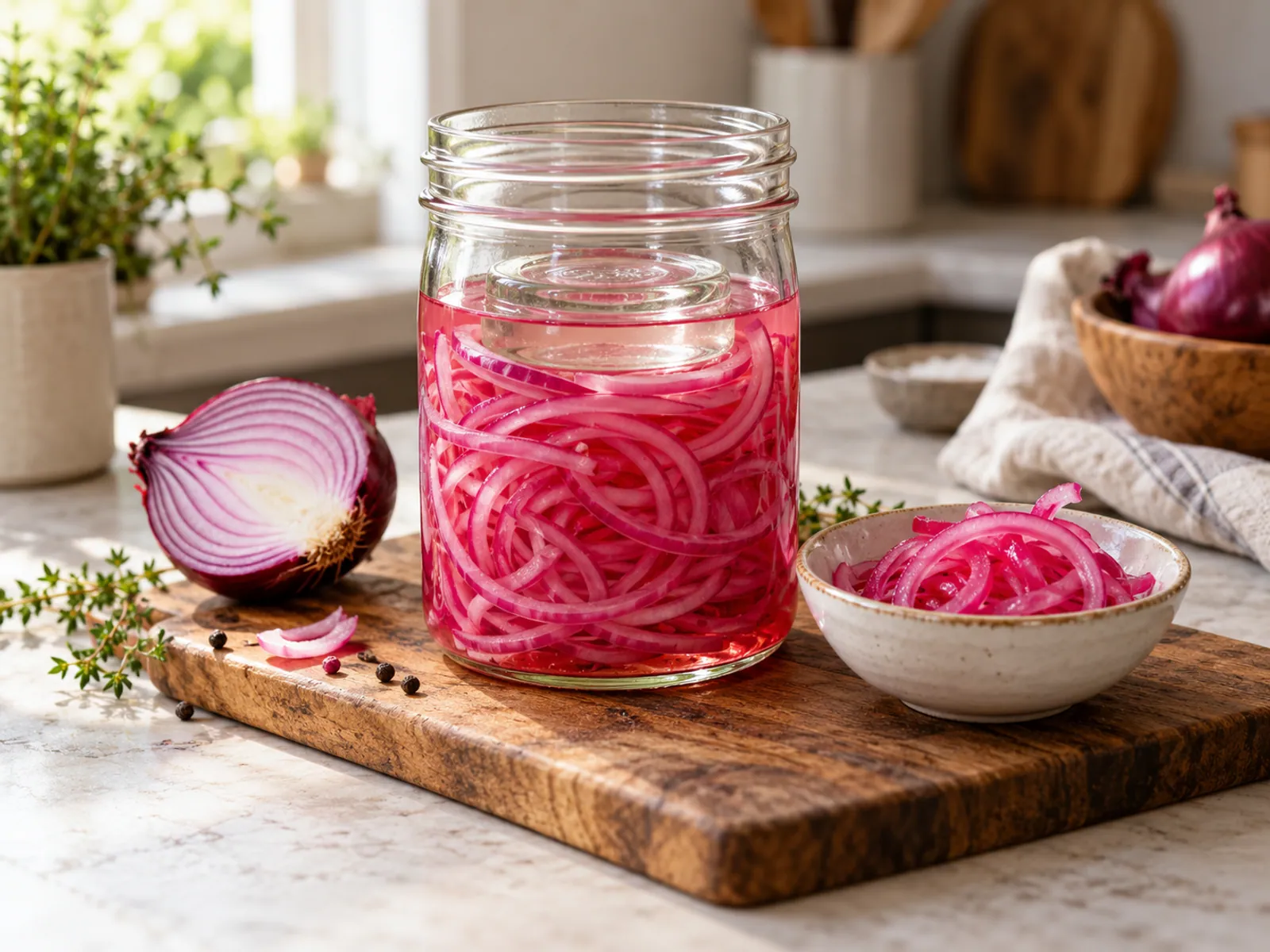
- Fermented Onions: How to Make Them and How to Use Them General · A complete guide to fermenting onions at home, covering onion types, salt brine vs dry salt methods, fermentation time, and dozens of ways to use fermented onions in your cooking.
No matches. Try another search or choose Everything.
Explore the fermentation categories
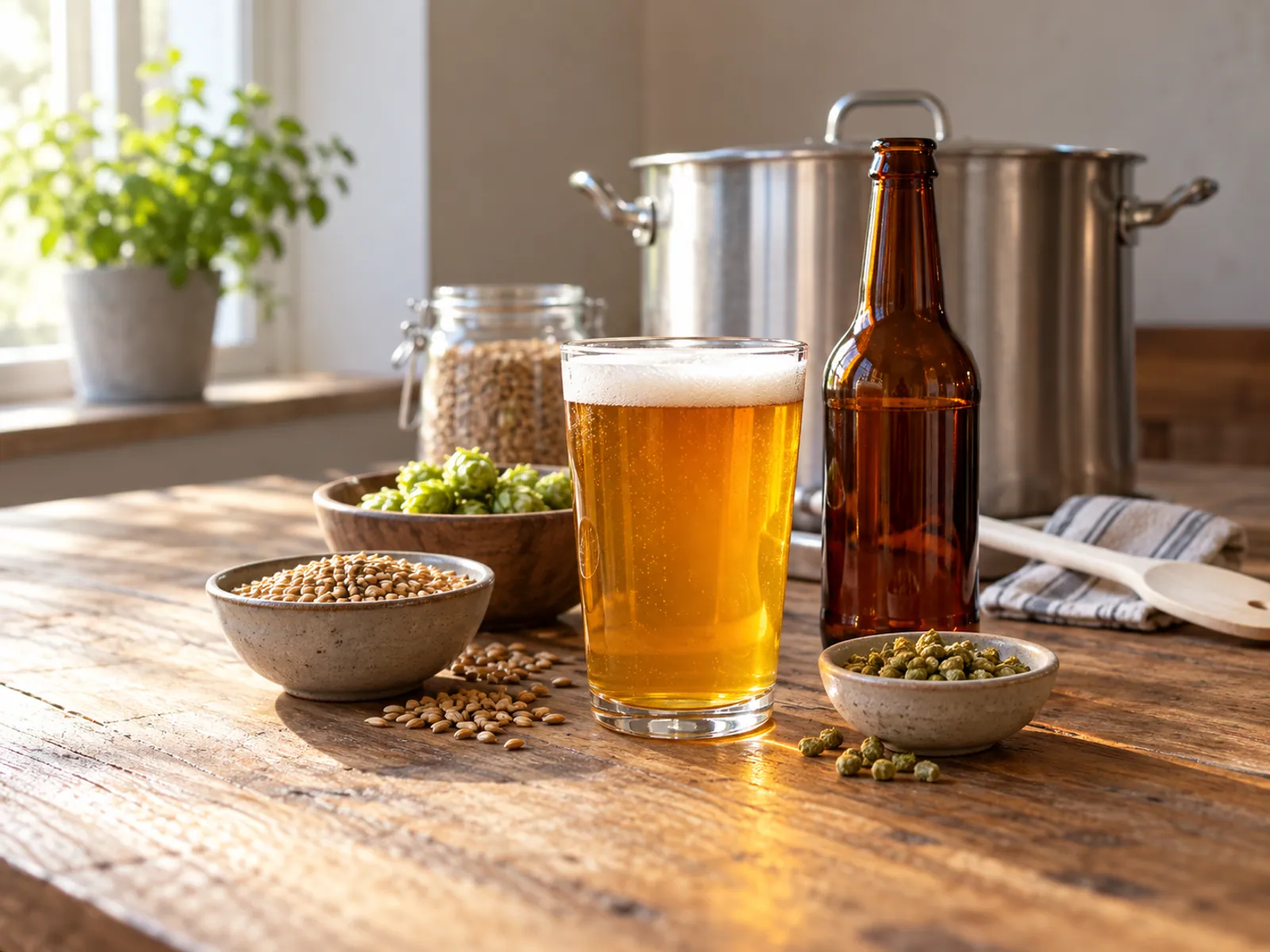
- Beer Recipes Recipes and calculators · Homebrew recipes for lagers, ales, IPAs, stouts, and extract kits — with OG, FG, and hop schedules.
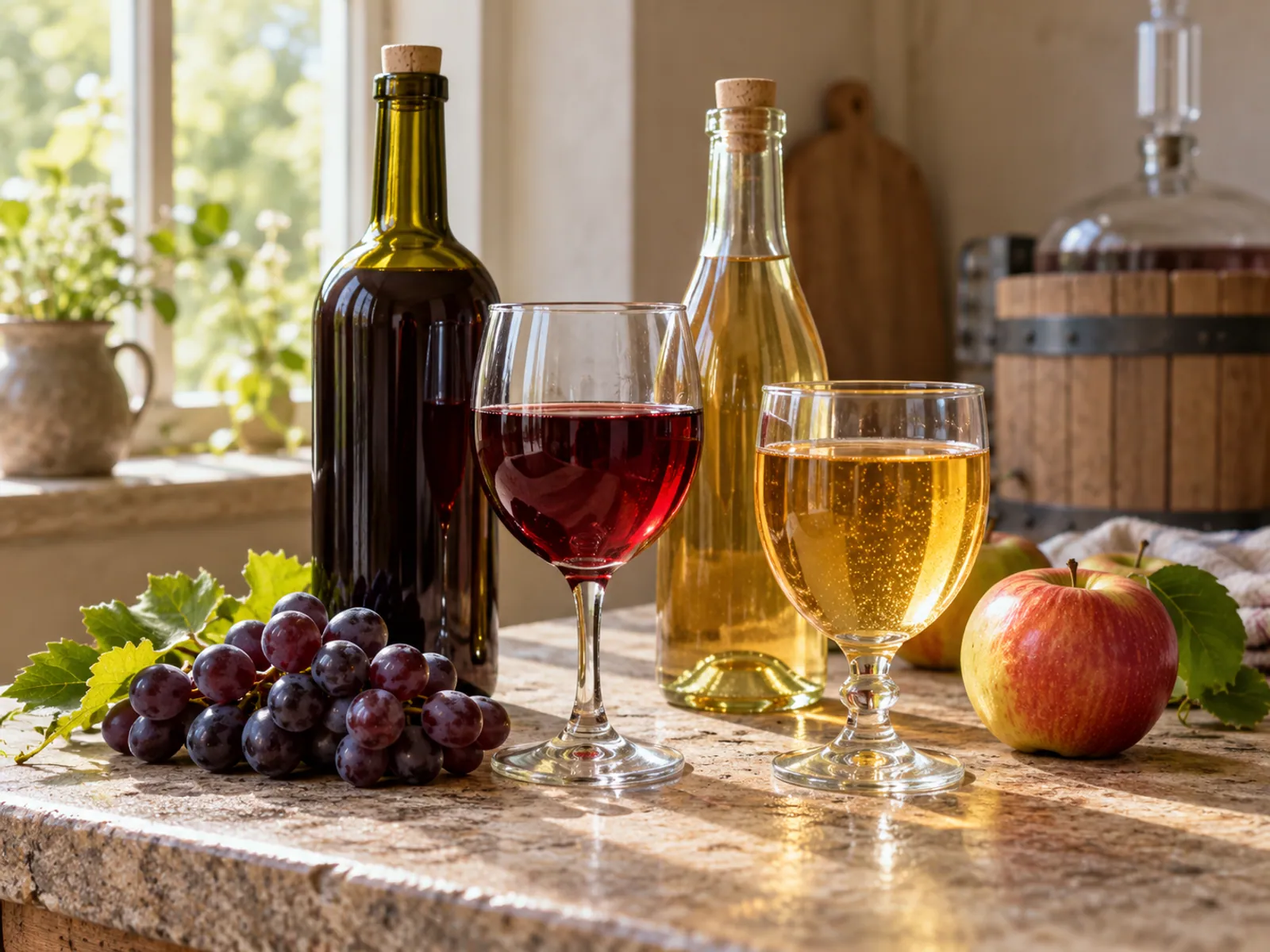
- Wine Recipes Recipes and calculators · Country wine, fruit wine, and grape wine recipes — from grape-to-glass with sugar, acid, and sulfite guidance.
- Mead Recipes Recipes and calculators · Traditional mead, melomel, and metheglin recipes with honey calculations and yeast nutrient schedules.
- Kombucha Recipes Recipes and calculators · First and second fermentation recipes for kombucha — flavoring ideas, sugar ratios, and carbonation tips.
- Sourdough Recipes Recipes and calculators · Sourdough bread, discard recipes, and levain builds — with hydration and bulk fermentation timing.
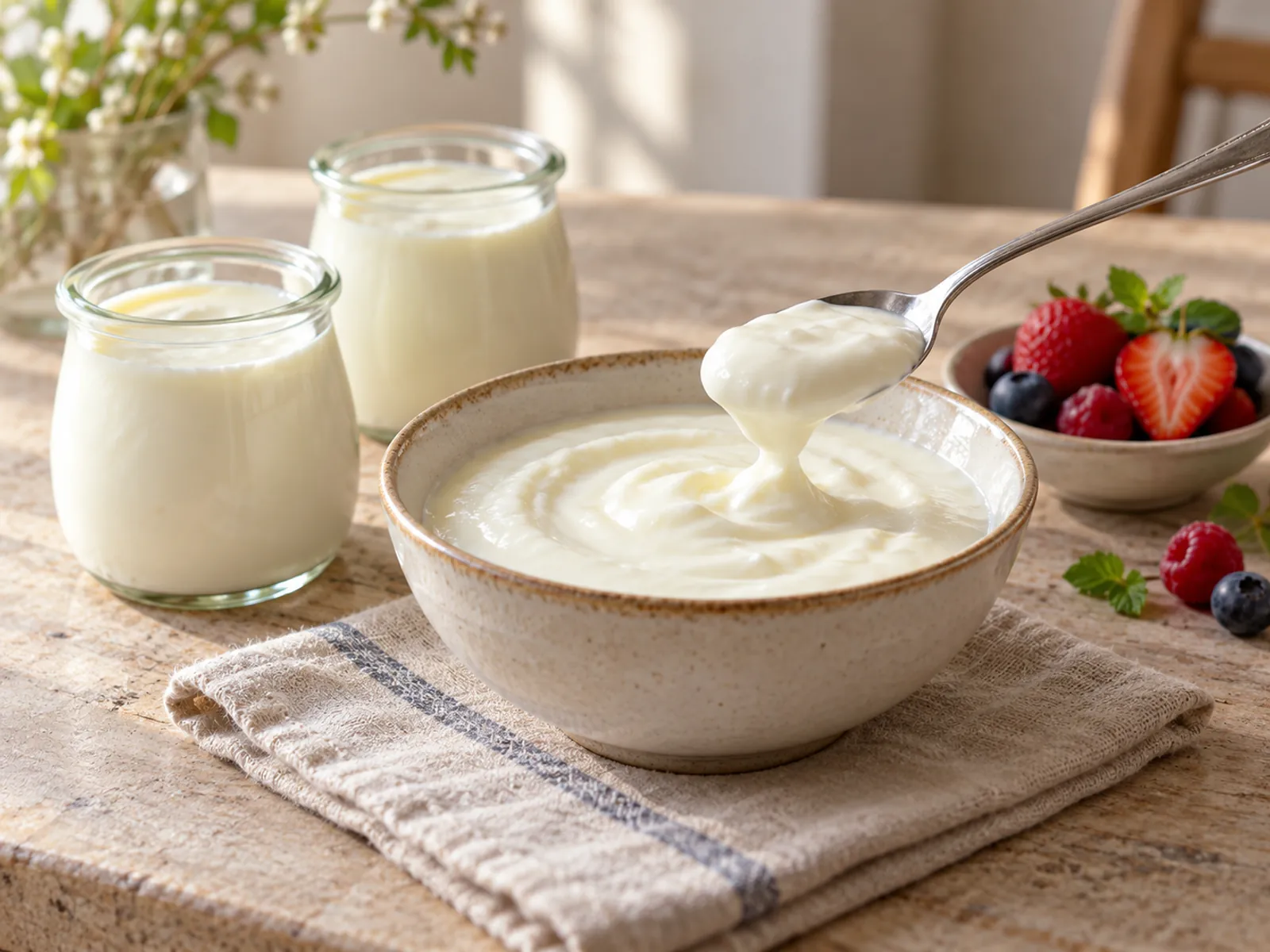
- Yogurt & Kefir Recipes and calculators · Homemade yogurt and milk or water kefir — incubation times, grain ratios, and flavoring ideas.
- Cheese Recipes Recipes and calculators · Fresh cheese, aged cheese, and cultured dairy recipes — rennet, culture, and aging schedules.
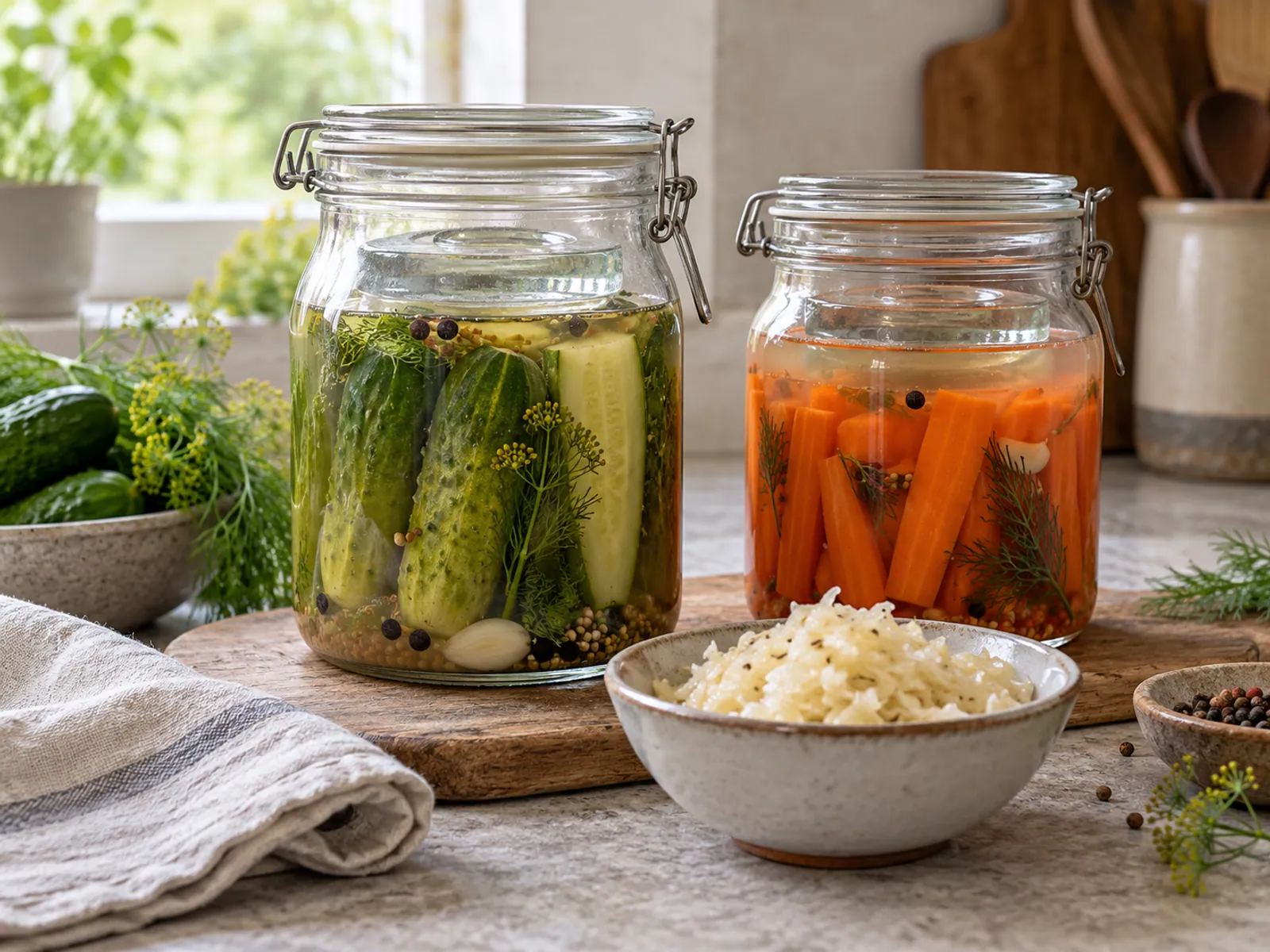
- Lacto-Fermented Vegetables Recipes and calculators · Sauerkraut, kimchi, pickles, and fermented hot sauce — salt ratios, brine percentages, and fermentation times.
Getting started with fermentation
What equipment do I need to start fermenting at home?
For most ferments you need a clean vessel (glass jar or food-grade bucket), an airlock or loose lid, salt or sugar, and a thermometer. Brewing beer or wine adds a hydrometer, siphon, and sanitiser. Start simple and add equipment as you need it.
How do I know when a fermentation is done?
For alcoholic ferments, stable gravity readings over two days mean fermentation is complete. For vegetable ferments, taste daily from the target window — tang and acidity increase over time. Kombucha is done when the sweetness-to-sourness ratio suits your preference.
Is home fermentation safe?
Yes, when you follow basic hygiene and salt or acid guidelines. Lacto-fermentation creates an acidic environment that inhibits harmful bacteria. Alcoholic fermentation produces ethanol, which is itself preservative. The main risks are mold from insufficient salt or contamination from unclean equipment.
What temperature is best for fermentation?
It varies by type: sourdough and yogurt like 24–28 °C (75–82 °F), most ale yeasts work at 18–22 °C (64–72 °F), lagers at 10–13 °C (50–55 °F), and vegetable ferments at 18–24 °C (64–75 °F). Temperature controls speed and flavour — cooler is slower but often cleaner.